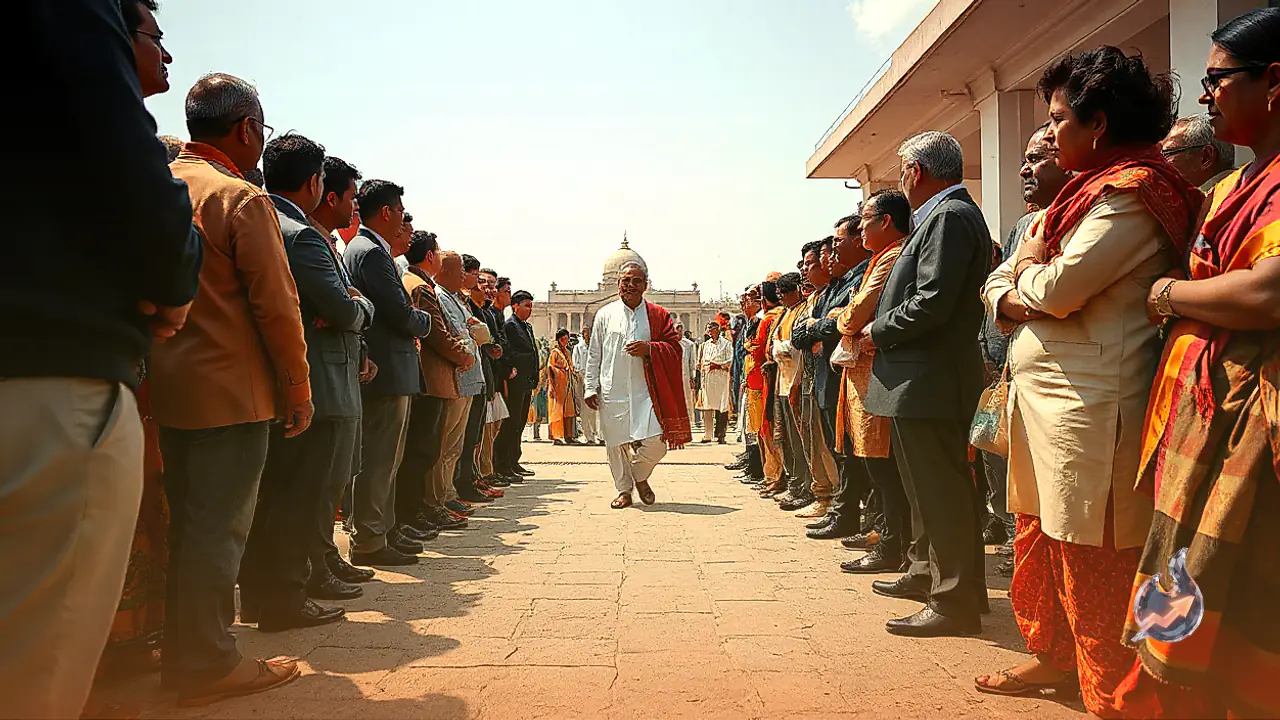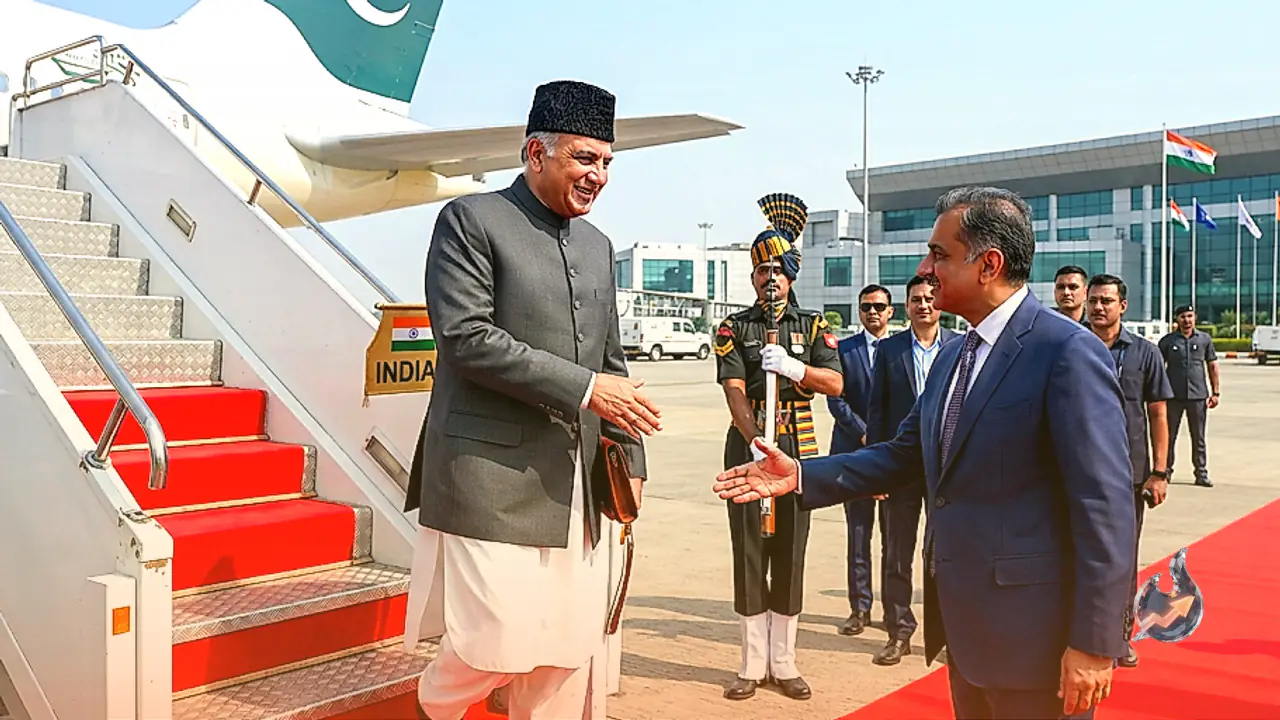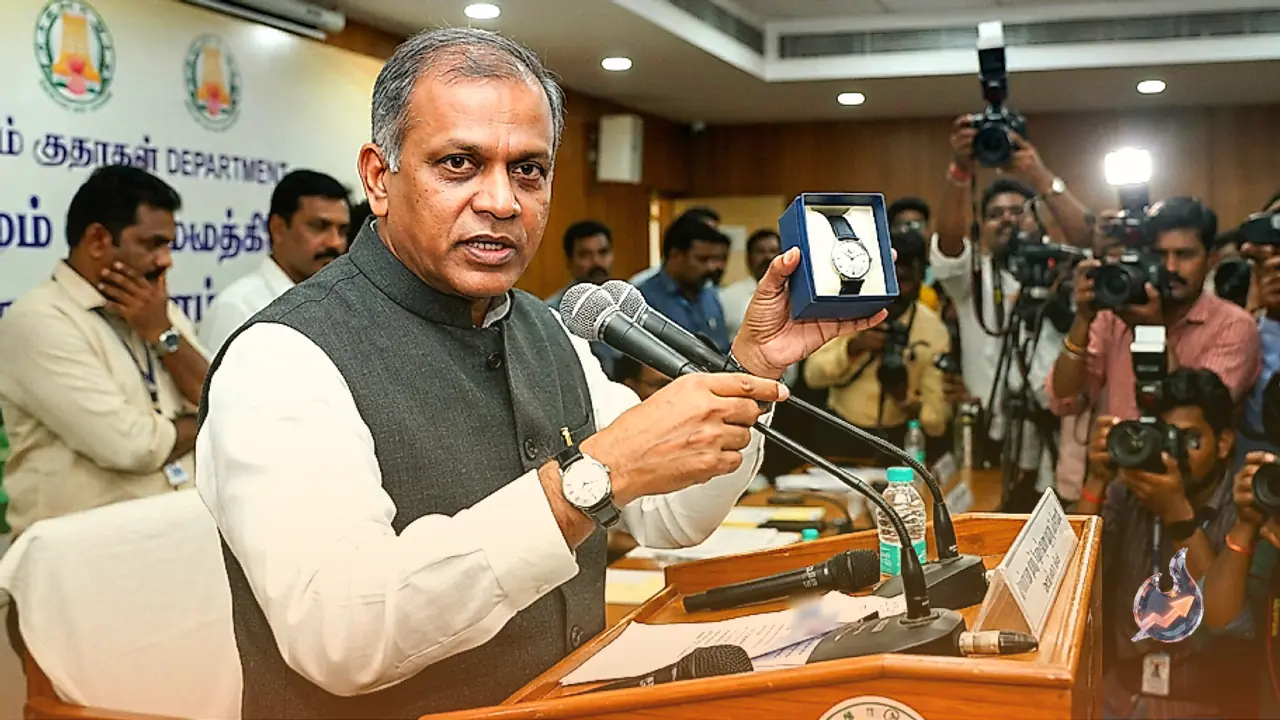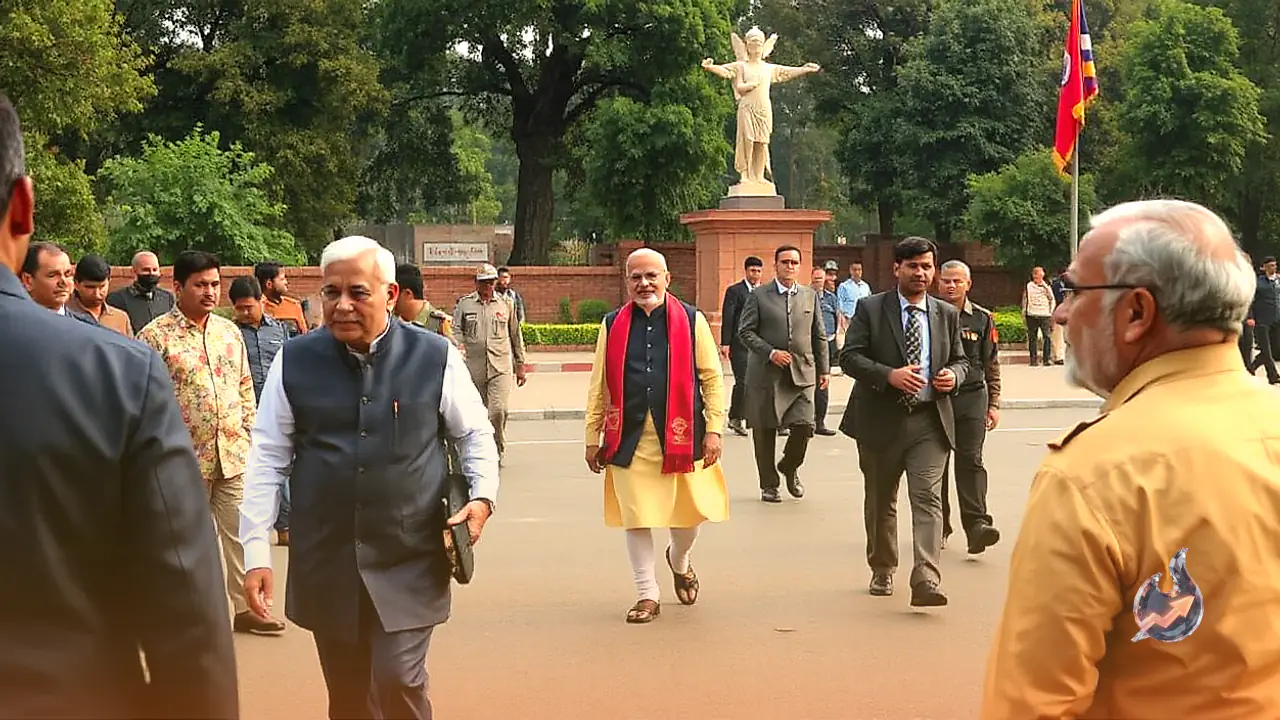

Nepal Prime Minister Balen Shah is scheduled to arrive in India on Sunday for an official visit aimed at reviewing all dimensions of bilateral ties and exchanging perspectives on regional and international matters. This marks Shah's inaugural visit to India since assuming office as Prime Minister in March. The Ministry of External Affairs officially announced the upcoming visit on November 20.
High-Level Talks with Narendra Modi
Accepting an invitation extended by Prime Minister Narendra Modi, Shah will be on a state visit to India from November 22 to 23. During his itinerary, he is slated to hold comprehensive discussions with Modi on Monday. According to the Ministry of External Affairs, the visit upholds the tradition of regular high-level exchanges between the two nations and underscores the high priority India accords to its relations with Nepal under the 'Neighborhood First' policy.
Deepening Trade, Energy, and Connectivity
The ministry noted that the visit will provide an opportunity to further consolidate the bilateral partnership and advance mutually beneficial cooperation. Nepal holds significant importance regarding India's broader strategic interests in the region, with leaders frequently highlighting the centuries-old cultural and familial bonds connecting the populations. Being a landlocked nation, Nepal relies heavily on India for the transit of goods and services. Without direct access to the sea, Nepal depends on Indian transit routes for a major share of its imports.
Navigating Boundary Issues and Third-Party Stances
The Ministry of External Affairs emphasized that India and Nepal share close and friendly ties rooted in history, civilization, and strong people-to-people connections. Bilateral cooperation has made steady progress across various sectors including trade, commerce, development partnership, energy, water resources, and physical as well as digital connectivity. However, diplomatic relations experienced some friction in May when Shah called for the involvement of China and Britain to resolve the longstanding boundary dispute between India and Nepal. Shortly thereafter, India firmly rejected any third-party intervention in resolving boundary matters, maintaining that a well-established bilateral mechanism already exists to address all aspects of the frontier issue. Border disputes concerning Lipulekh, Limpiyadhura, and Kalapani have persisted between the two neighbors for years, while India has consistently maintained that these territories form a part of Uttarakhand.