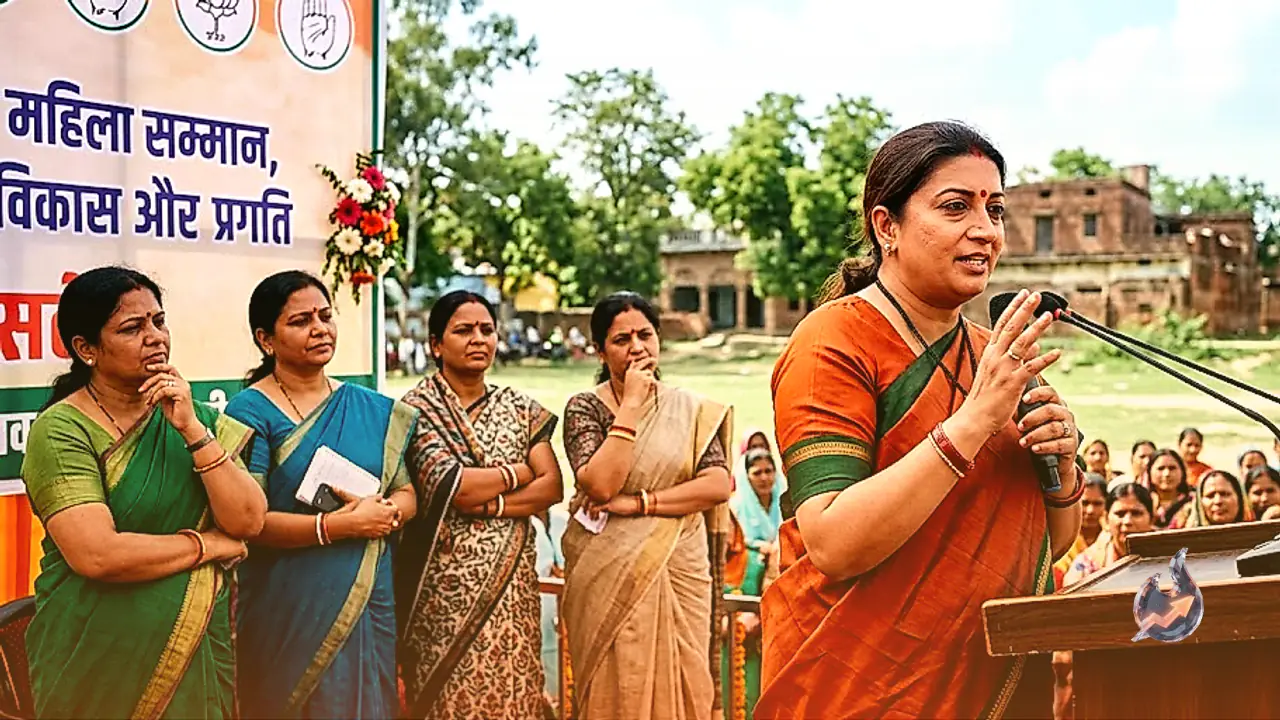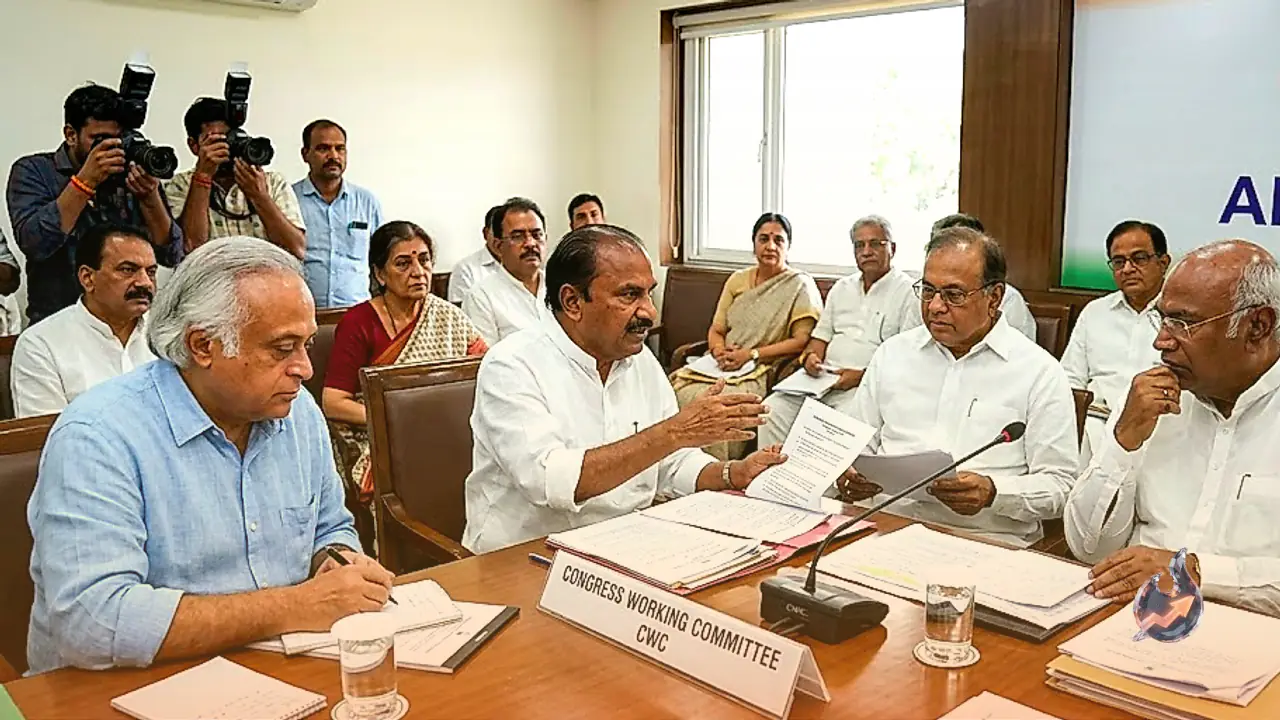

















Political activities have heated up in Uttar Pradesh as leadership from across the border steps into the state's active political arena. Health Minister Nishant Kumar, son of the Chief Minister of Bihar, is currently touring Uttar Pradesh with an agenda to strengthen his party outside home turf. His arrival in Varanasi to participate in a major political gathering has signaled clear intentions that his party will no longer remain a silent spectator in Uttar Pradesh politics and aims to contest the 2027 assembly elections with full force.
Launching Poll Preparations from Varanasi
Interacting with journalists at the circuit house in Varanasi, Nishant Kumar clarified that JDU will contest elections in Uttar Pradesh in alliance with the Bharatiya Janata Party under the National Democratic Alliance, much like the arrangement in Bihar. The primary objective is to maximize seat victories and provide greater strength to the coalition. The election campaign for 2027 was officially launched through a state executive convention held near Lohta in Karauta, which saw participation from prominent leaders across the state, including party working national president Sanjay Jha.
Strategic Focus on the Purvanchal Region
Geographically and socially, the Purvanchal region shares close proximity with the borders of Bihar. JDU has set its sights primarily on constituencies within Purvanchal where communities like Kurmi, Patel, and other backward classes hold substantial influence. In Bihar, the core political support base has traditionally revolved around Kurmi and extremely backward voters. Districts such as Varanasi, Mirzapur, Jaunpur, Ghazipur, and Deoria feature a significant population of Kurmi voters. The party believes that contesting alongside the BJP and Apna Dal (S) will prevent the fragmentation of OBC votes.
Expanding the NDA Footprint with Governance Models
Following the smooth operation of the NDA government in Bihar, the leadership now seeks to unite its cadre in Uttar Pradesh by leveraging governance achievements and youthful momentum. Rather than going solo, the strategy involves pushing for a seat-sharing agreement covering 10 to 15 high-impact constituencies within the state.
Past Electoral Performances in the State
A review of the previous two assembly elections indicates a dismal performance for JDU in Uttar Pradesh, where the party failed to secure a single seat on both occasions. During the 2017 elections, an electoral pact between JDU and the BJP failed to materialize. At that time, leadership focused major attention on prohibition and social reform campaigns rather than aggressive electoral expansion, resulting in a limited footprint without any notable breakthrough.
Setbacks During the 2022 Elections
Similarly, ahead of the 2022 assembly polls, efforts were made to forge an alliance with the BJP, but negotiations did not yield results. Consequently, JDU decided to contest independently and fielded candidates across 26 seats. However, the outcomes were unsuccessful as the party failed to win any constituency, and its total vote share remained restricted to roughly 0.11 percent, with most candidates losing their security deposits.
Shifting Dynamics with New Leadership Entry
The tour of Kashi and interactions with local workers underline that JDU is treating its expansion plans in Uttar Pradesh with utmost seriousness. Operating within the NDA framework, the party aims to serve as an asset for the BJP in the Purvanchal belt. However, accommodating JDU alongside existing allies such as Anupriya Patel's Apna Dal (S), Om Prakash Rajbhar's SBSP, and Sanjay Nishad's Nishad Party will present a unique challenge for the BJP leadership. Observers are closely watching how seat distribution shapes up for the upcoming electoral battle.