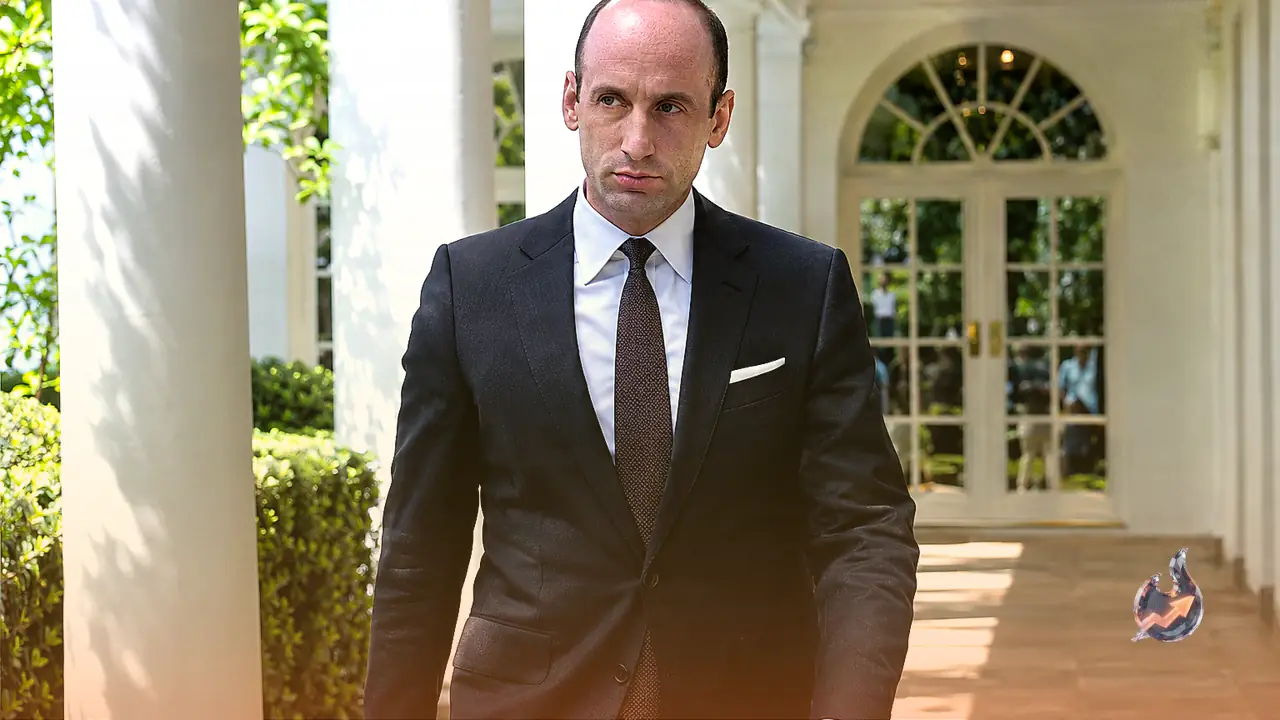

Stephen Miller, the architect behind the most polarizing policies of Donald Trump’s second term, is set to take over as the new White House Chief of Staff. Miller previously served as the deputy chief of staff for policy and homeland security adviser, spearheading a strict immigration crackdown that has drawn immense scrutiny. Trump announced the transition in a statement on his Truth Social platform, noting that Miller would step into the role on Monday. This major leadership shift comes less than a week after Republicans suffered significant losses in the House and Senate, dealing a heavy blow to the administration's core agenda.
The Departure of Susie Wiles
According to sources familiar with the internal dynamics, Trump privately blamed Susie Wiles for the Republican midterm losses, which marked one of the worst performances in decades. Wiles subsequently submitted her resignation on Thursday. Trump had reportedly considered three main candidates for the position, including special envoy Steve Witkoff, director of national intelligence Jay Clayton, and Miller. Faced with the prospect of upcoming congressional investigations, Trump ultimately chose Miller due to his fierce loyalty and unwavering defense of the president. Miller has remained a steadfast ally since Trump’s initial campaign in 2021 and stood by him through his political challenges.
Shifting Dynamics Within the West Wing
Sources indicate that Miller had made his aspirations known within the West Wing for weeks, sensing vulnerability as Wiles faced negative press coverage prior to the midterms. Over recent months, Trump had begun excluding Wiles from certain key decisions, further eroding her standing. For instance, reports emerged that Katie Zacharia was hired as press secretary without consulting Wiles, though the administration pushed back against the claim. With Wiles exiting the administration, aides are anticipating further personnel shakeups. Figures such as Wiles' deputies James Blair, who crafted the GOP midterm strategy, and Richard Walters are now viewed as vulnerable to replacement under Miller's leadership.
Alignments and Past Collaborations
The changing guard at the top is expected to provide some relief for Defense Secretary Pete Hegseth, whose relationship with Wiles had grown increasingly strained. Hegseth shares a close ideological alignment with Miller, having previously collaborated on high-profile security initiatives. Last year, when the administration initiated a campaign targeting boats around Venezuela, Hegseth and Miller worked closely together, with Miller orchestrating the operations through the Pentagon in his capacity as head of the Homeland Security Council.
Reflecting on Wiles' Tenure
Wiles departs as one of the most enduring chiefs of staff of Trump's tenure, having maintained his confidence since the launch of the 2021 presidential campaign, contrasting sharply with the frequent turnover seen during the first term. Despite her longevity, her final months involved navigating personal and professional hurdles, including successful chemotherapy treatments and scrutiny regarding family contracts, which the White House and her daughter's firm firmly denied. Reflecting on her time in office, Wiles wrote on X that serving President Trump in the White House was the honor of a lifetime, expressing pride in their collective achievements in securing the border, cutting taxes, and putting America First.