

















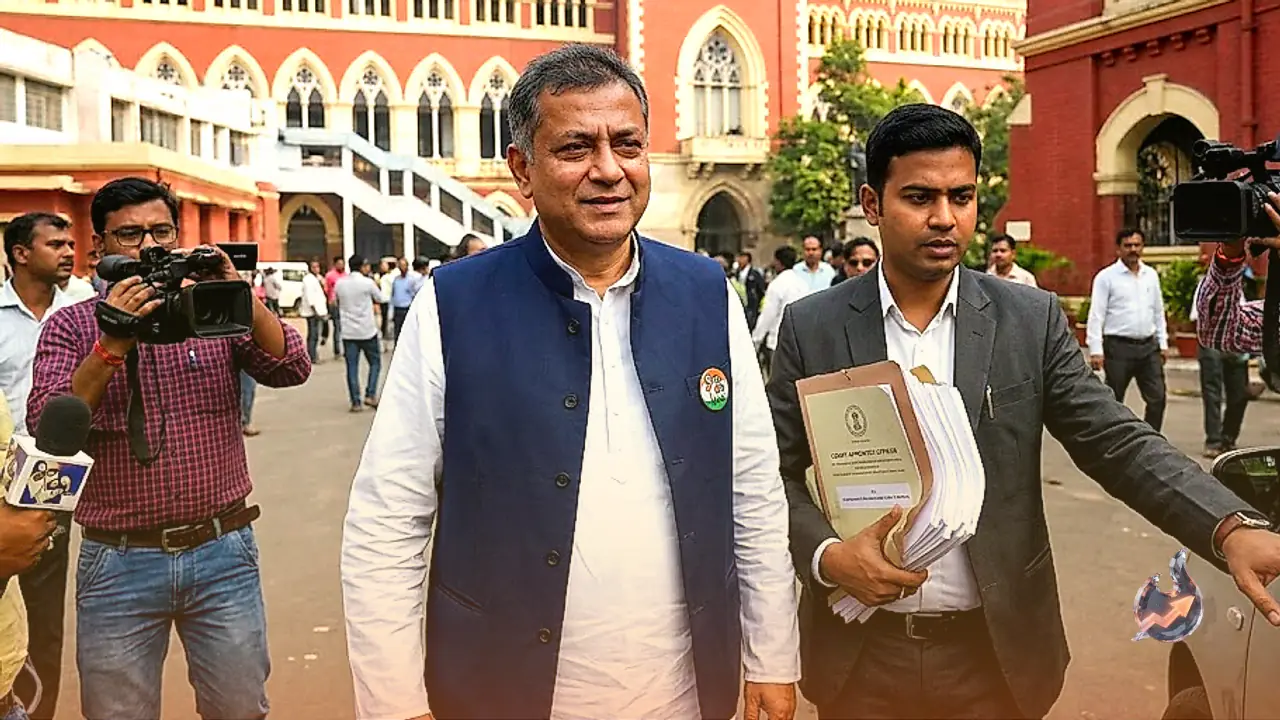

In a significant legal relief, the Calcutta High Court on Wednesday permitted the Trinamool Congress to resume operations of its three bank accounts that were previously frozen. The court noted that the evidence provided by the police to justify the freeze was not currently convincing. While the party is granted access, the court has imposed strict conditions, limiting the use of these funds exclusively to essential day-to-day expenditures, and has appointed a special officer to monitor the process.
Supervision by a Special Officer
Justice Saugata Bhattacharya of the Calcutta High Court’s single bench has appointed Justice Subrata Talukdar, a retired judge of the same court, to act as a special officer to oversee these transactions. This arrangement is set to remain in force until September 30, ensuring oversight in the management of the party's finances.
Questioning the Urgency of the Freeze
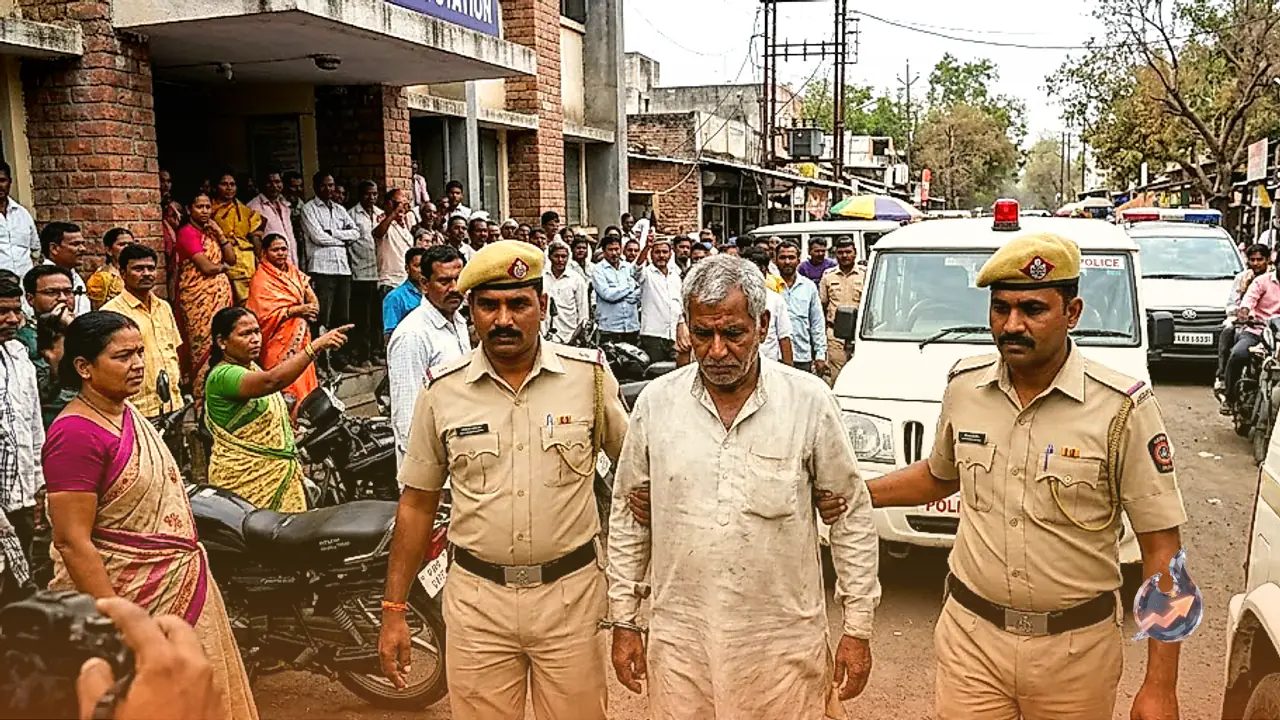
The court expressed surprise at the rapid pace with which the police moved to freeze the accounts immediately after the registration of an FIR. The court remarked that while the FIR was filed on June 18, the accounts were frozen in a great hurry the very next day, on June 19. The court observed that at this preliminary stage, there appeared to be no substantial basis or evidence that would warrant such an immediate and drastic step. The court further commented that such promptness is rarely observed when ordinary citizens approach the police for grievances.
Mandatory Conditions for Withdrawals
The court has laid out specific protocols for the usage of these funds:
- The party is permitted to withdraw funds only for meeting its routine, day-to-day operational expenses, with no allowance for any other types of expenditures.
- Every cheque submitted to the bank must bear the signatures of two authorized office-bearers of the TMC.
- Following the office-bearers' signatures, the cheque must also be counter-signed by the court-appointed special officer (the retired judge) before it can be processed.
Arguments Presented by Both Sides
According to reports from Live Law, senior counsel Abhishek Manu Singhvi, representing the TMC, argued that blocking the bank accounts entirely paralyzed the functioning of a recognized political party, which constitutes a violation of their constitutional rights. He asserted that the complaint lacked specific allegations and that the party's funds comply fully with Election Commission regulations and the Income Tax Act. Representing the state police, Solicitor General Tushar Mehta defended the action, arguing that the police possess the authority to freeze accounts to prevent the misappropriation of funds during an active investigation. Meanwhile, the counsel for the complainant, Neeraj Kishan Kaul, maintained that his client represents the genuine TMC and that the funds must be kept secure.
Court’s Stance on Internal Party Dispute
The High Court clarified that this temporary permission to operate the accounts should not be interpreted as the court recognizing any specific faction as the 'real' Trinamool Congress. The court stated that the ownership dispute is currently pending before the Election Commission, which holds the authority to decide the matter. Furthermore, the court noted that the complainant had previously contested an election on a TMC ticket using funds from the same account before joining a different faction and filing the complaint. Given the lack of clear evidence regarding any illicit transactions in the complaint, the court opted for this middle-ground approach to balance the requirements of an ongoing investigation with the fundamental need for a political party to function.