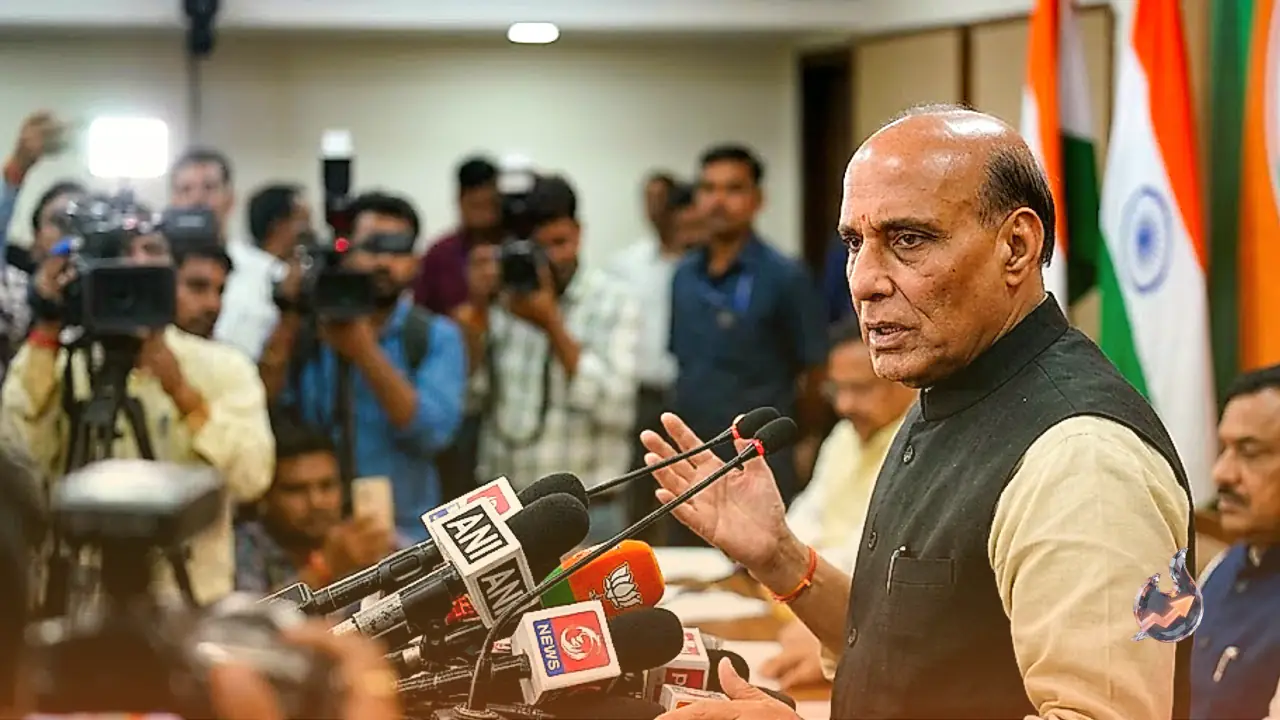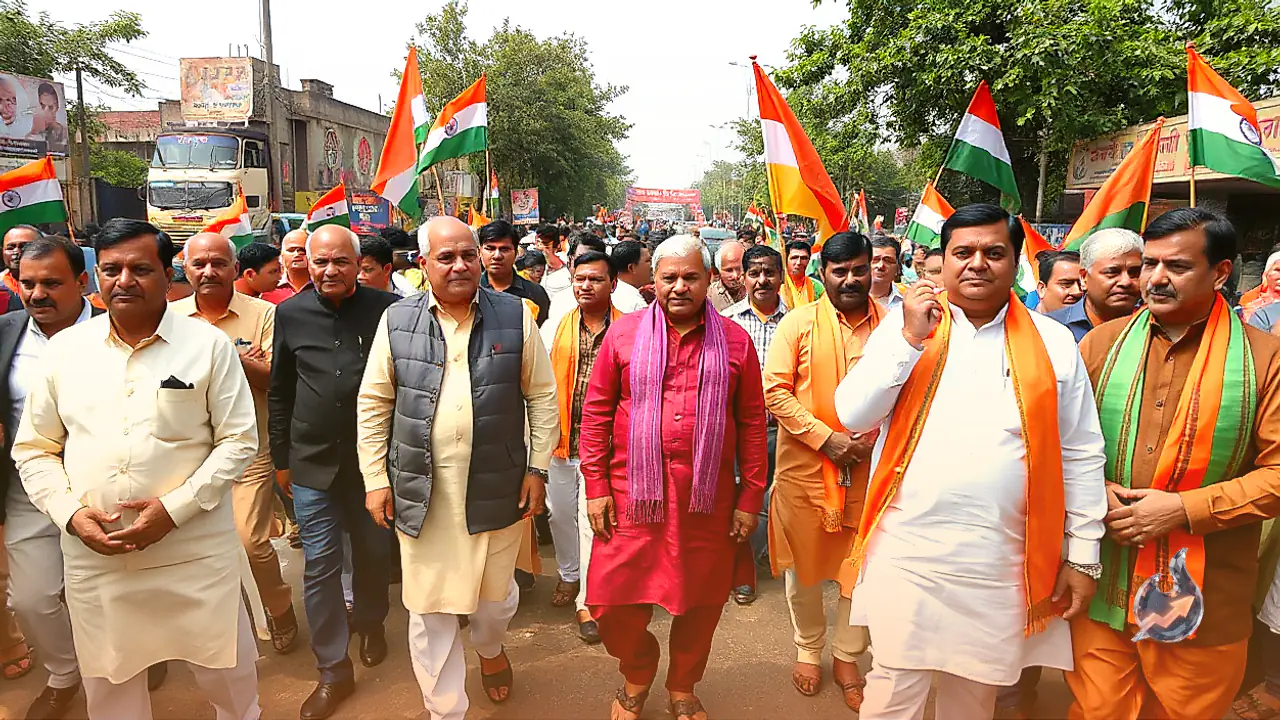



















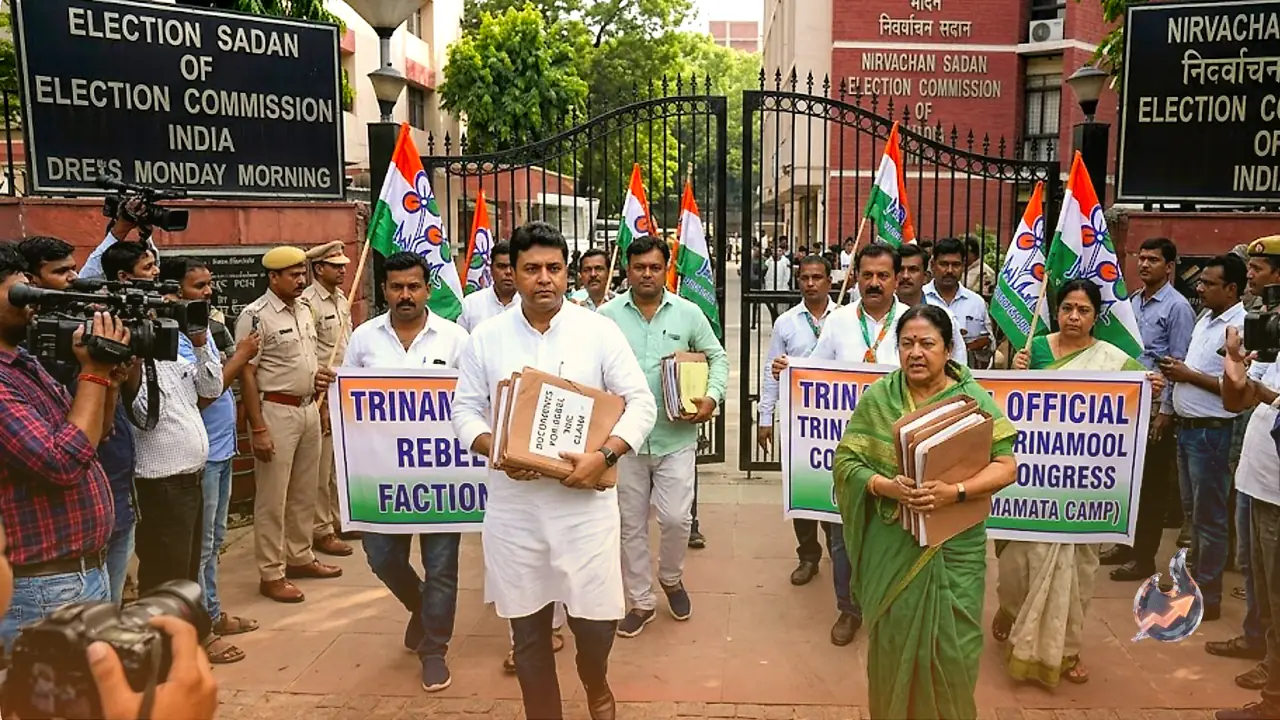

The turmoil inside West Bengal's ruling Trinamool Congress has now landed squarely at the Election Commission's doorstep. For the first time in the party's 28 year history, two rival camps are simultaneously claiming to be the real Trinamool Congress, and the outcome of that fight will be decided not at the ballot box but inside the Election Commission's office. Both warring camps will appear before the Commission on Monday with documents staking their claim to the party's name, its famous grass and flowers election symbol, and its entire organisational structure.
Why this is the biggest crisis in 28 years
This is not just another round of internal bickering for Trinamool Congress, it is the gravest existential crisis the party has faced since it was founded. There have been disagreements and pockets of discontent within the party before, but never a situation where two factions simultaneously declared themselves the genuine Trinamool Congress and took that claim to the Election Commission. The rebellion that began brewing after the party's defeat in the assembly elections has now grown large enough to threaten the very organisational identity of the party.
The Election Commission's deadline and the core dispute
After hearing preliminary arguments from both rival camps last week, the Election Commission directed both sides to submit documents, organisational records and evidence of support by 5.30 pm on July 6. At the heart of this dispute lie the party's election symbol, its assets, its funds and the future of its Kolkata headquarters. The rebellion that had been simmering inside the party since the assembly election defeat has now fully erupted, with both factions staking competing claims over every one of these issues.
Kalighat camp versus the rebel camp: two different strategies
The Kalighat camp, led by Mamata Banerjee, is expected to lean on organisational continuity and the legacy of the party's founding to press its claim. The rebel camp, on the other hand, is banking on its numerical strength among assembly legislators and elected representatives. The standoff is unfolding amid one of the most significant political developments West Bengal has witnessed in recent decades. What began as a legislative level rebellion has, within a matter of weeks, snowballed into a major challenge for the organisation as a whole.
How the rebellion began: Arup Roy's elevation
The crisis first broke out last month when the rebel faction convened a special session and elected senior legislator Arup Roy as its president, while also unveiling a parallel national leadership structure. Their argument was that the party's existing leadership had lost the trust of most of its elected representatives.
The blow of 58 MLAs and Ritabrata Banerjee's claim
The rebel leaders demonstrated their real strength when 58 of Trinamool's 80 MLAs rejected the candidate put forward by the party leadership and instead backed Ritabrata Banerjee's claim for the post of Leader of the Opposition. That was a major setback for the Kalighat camp. The rebel faction now claims to have the backing of around 65 MLAs, a number that has grown further from the original tally of 58.
MPs switch sides, rebels meet the Election Commission in Delhi
The rebellion among MLAs soon spread to Parliament. Twenty one Lok Sabha members, led by Kakoli Ghosh Dastidar, joined the 'Nationalist Citizens Party of India' (NCPI), significantly weakening Mamata Banerjee's position in Parliament and adding an entirely new dimension to the fight over the party's political legitimacy. A day after this development, leaders of the rebel faction travelled to New Delhi and met Chief Election Commissioner Gyanendra Kumar and two other Election Commissioners, formally presenting their claim over the party's leadership, its election symbol, its organisational structure and its property.
The takeover of Trinamool Bhavan
A day after that meeting in Delhi, on Friday, the ongoing tussle inside the party took a dramatic turn. The rebel faction physically took over the party's Kolkata headquarters, Trinamool Bhavan. They changed the locks, put up new posters, and declared that the party's work would now be conducted from that building. The move made clear that the battle between the two camps is no longer confined to paperwork alone, it has now spilled onto the ground as a fight for physical control.
What each side is arguing
A senior leader from the Ritabrata faction said, "We have gathered all the documentary evidence and will present it before the Commission. We are confident the decision will be based on facts, figures and organisational legitimacy." The Mamata Banerjee camp, on the other hand, has strongly rejected the rebel leaders' claims, arguing that leaders who have been expelled from the party have no legal standing to represent it before the Election Commission. Even so, the stakes are extremely high for the Kalighat camp, with senior party leaders privately acknowledging that the Election Commission's ruling will have a far reaching impact on the party's future political identity.