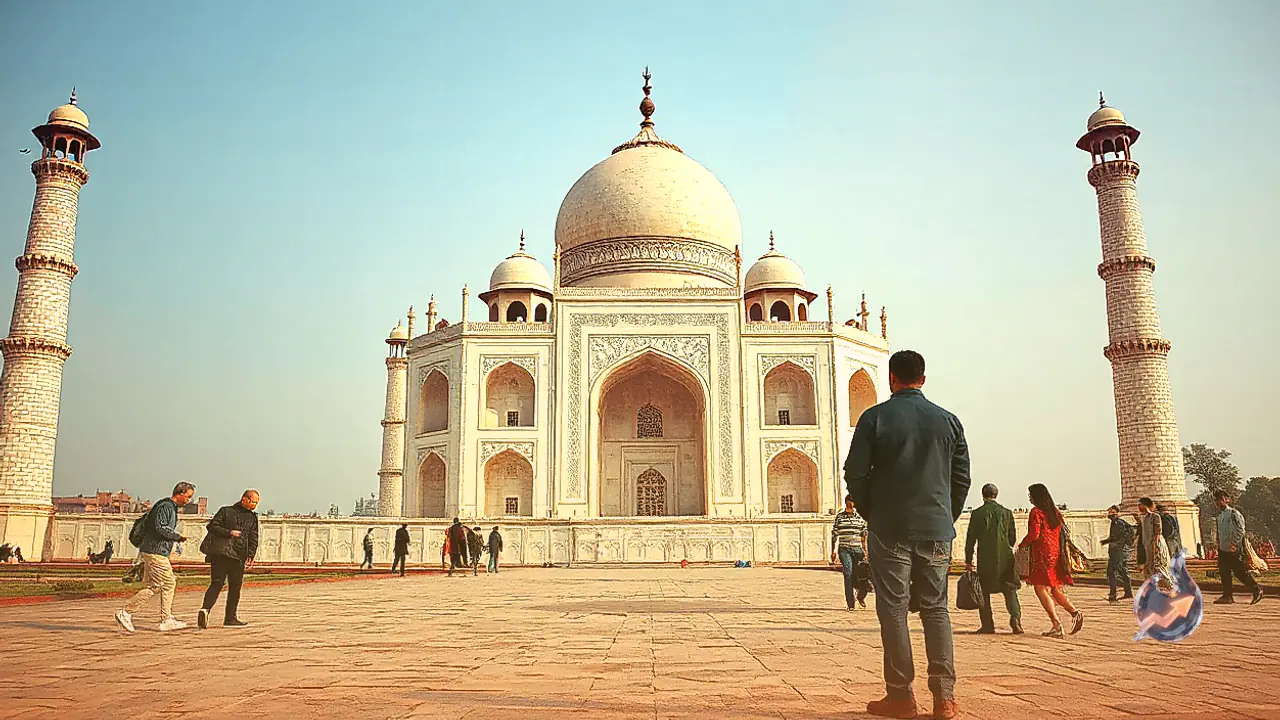

A notable aspect has come to light regarding the ongoing visit of Pakistan Climate Change and Environmental Coordination Minister Musadik Malik to India. The Ministry of External Affairs had granted complete approval for Malik and his accompanying delegation to visit the iconic Taj Mahal. Despite this official clearance, the Pakistani minister ultimately decided against making the trip to Agra. While the path to the historical monument was entirely clear from the Indian side, questions arose as to why he chose to skip the visit, with sources indicating that the delegation's schedule and planning played a major role.
Approved Sites and Itinerary Requests
The visiting Pakistani delegation had expressed a strong desire to explore several prominent cultural and historical locations across India. Their requested itinerary featured the Taj Mahal, Humayun's Tomb, Qila Rai Pithora, and Dilli Haat. Following a comprehensive review and assessment by Indian security agencies, permission was granted for several of these designated spots. However, the request to visit the historic Nizamuddin Dargah in the national capital was explicitly denied due to prevailing security considerations and protocols.
Political Reactions Over Denied Access
The refusal of clearance for the Sufi shrine sparked considerable discussion and political commentary. Samajwadi Party Member of Parliament Mohibullah Nadvi publicly questioned the decision regarding the restriction. Highlighting the spiritual significance of such locations, he remarked that Sufi shrines spread the message of goodness and humanity. He further argued that visitors should not be barred from experiencing places that offer profound spiritual teachings and a deeper understanding of historical heritage.
Participation in the SCO Dialogue Forum
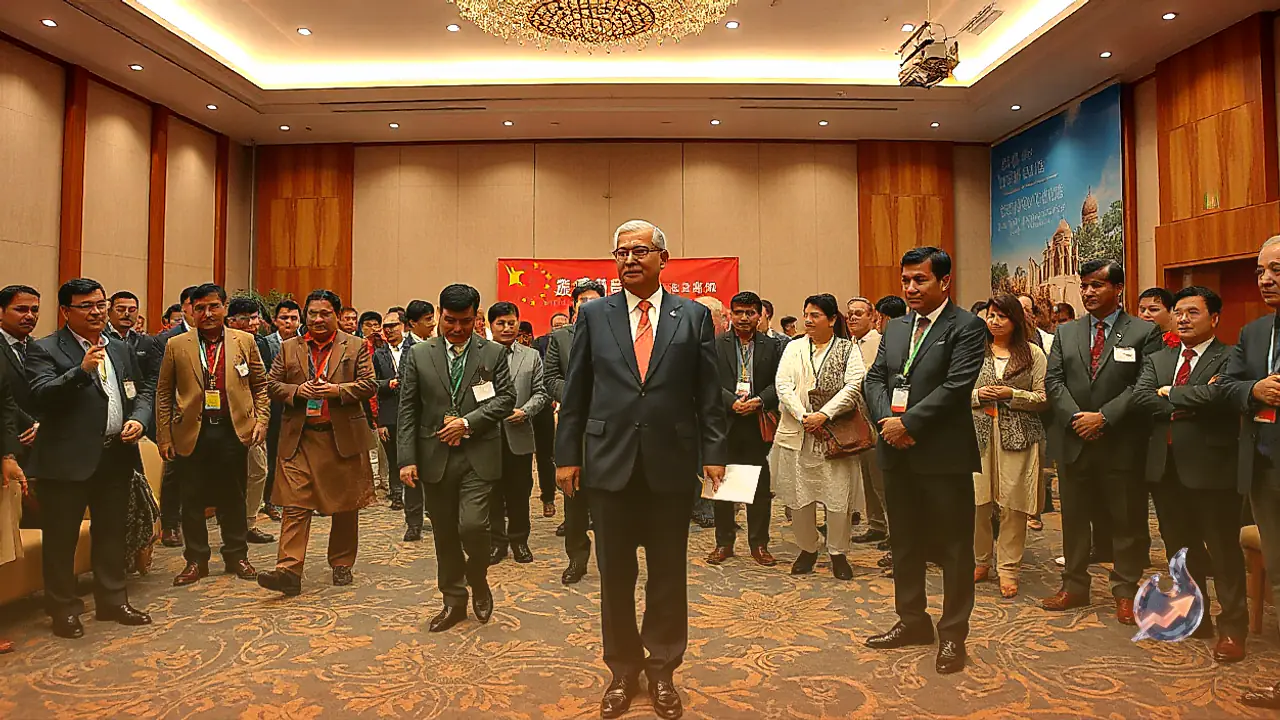
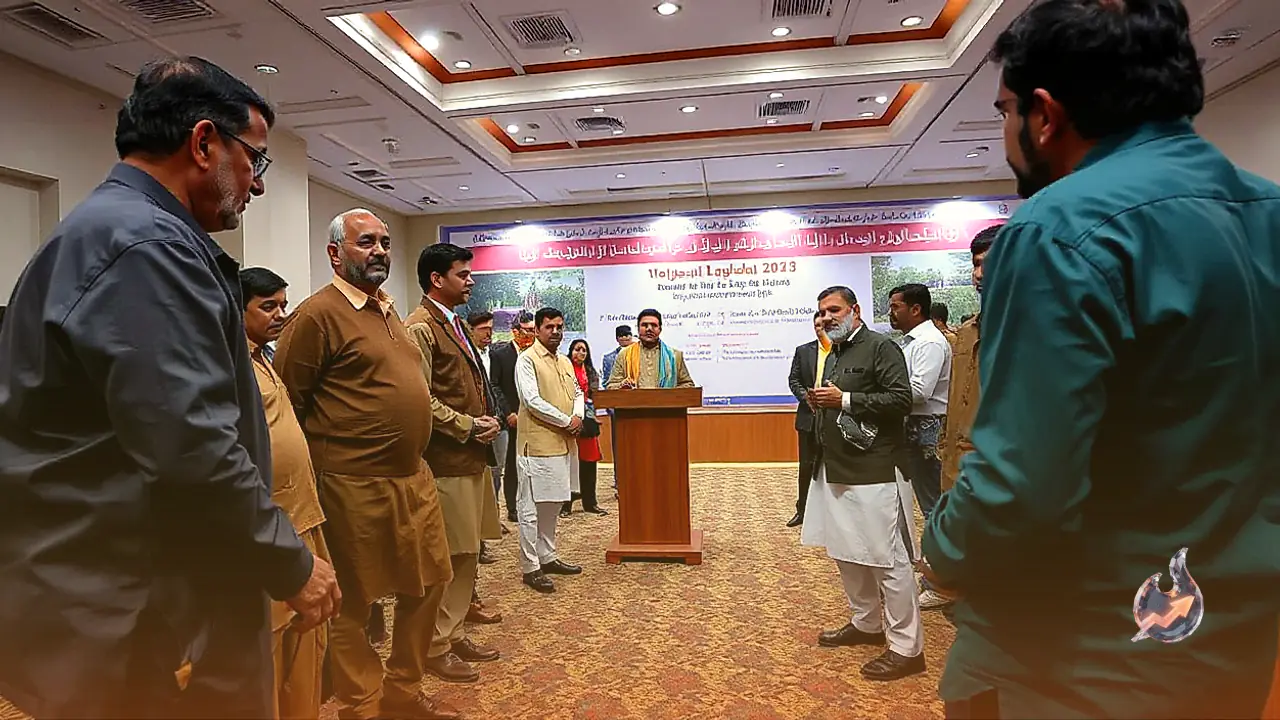
Musadik Malik traveled to India to attend the inaugural SCO Civilizational Dialogue Forum, scheduled from November 20 to November 22. This marks the first visit to India by a serving Pakistani minister in three years. Upon his arrival at the airport, he was formally welcomed by the Chargé d'Affaires of the Pakistan High Commission, Saad Warraich. The diplomatic visit centers around diplomatic engagement and fostering civilizational ties among member nations.
Inauguration and Core Objectives of the Event
Prime Minister Narendra Modi inaugurated the three-day international forum on Friday evening. The conceptual framework for this initiative was originally proposed during the SCO summit held in Tianjin, China, in the year 2025. The core agenda of the dialogue encompasses discussions on shared civilizational heritage, art, architecture, literature, language, and traditional philosophies, aiming to strengthen people-to-people connections across borders.