
India has firmly dismissed any speculation of a shift in its policy regarding the Indus Waters Treaty, stating unequivocally that its approach remains steadfast. The clarification from the Ministry of External Affairs comes while a visiting Pakistani minister is in the capital to attend a major regional multilateral event, drawing considerable attention from observers tracking bilateral engagements.
The Visit of the Pakistani Minister for a Multilateral Forum
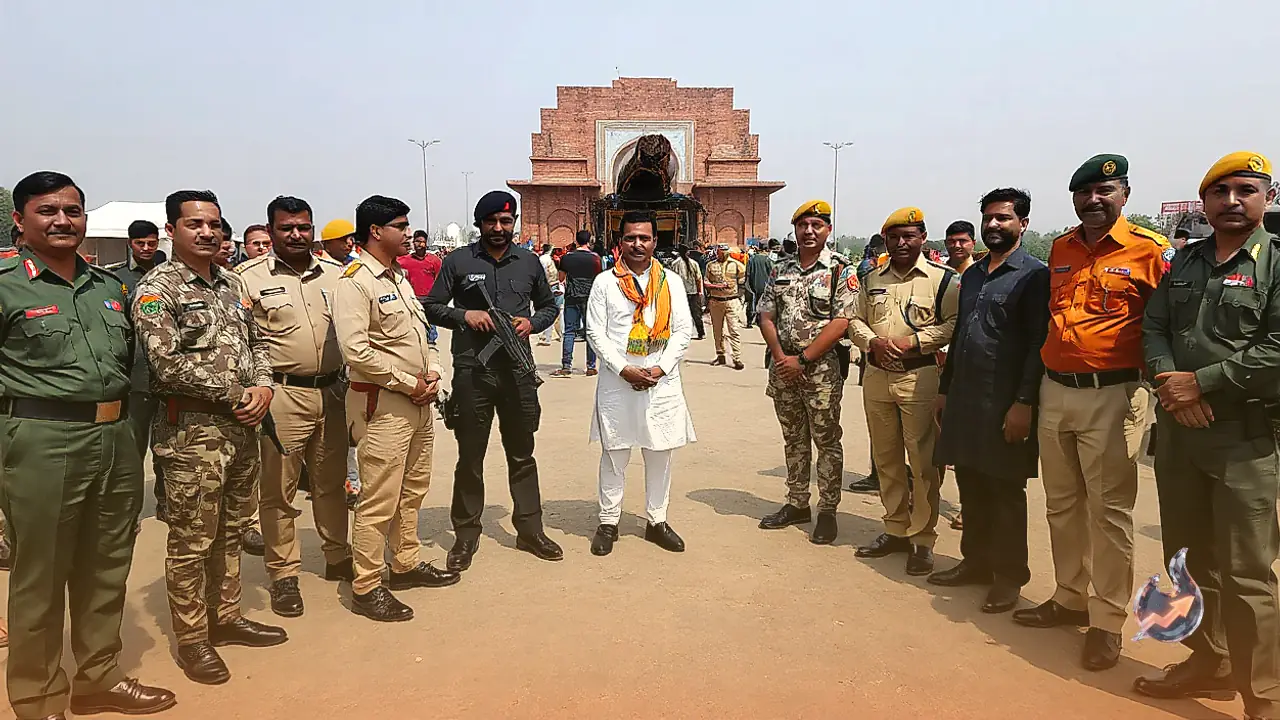
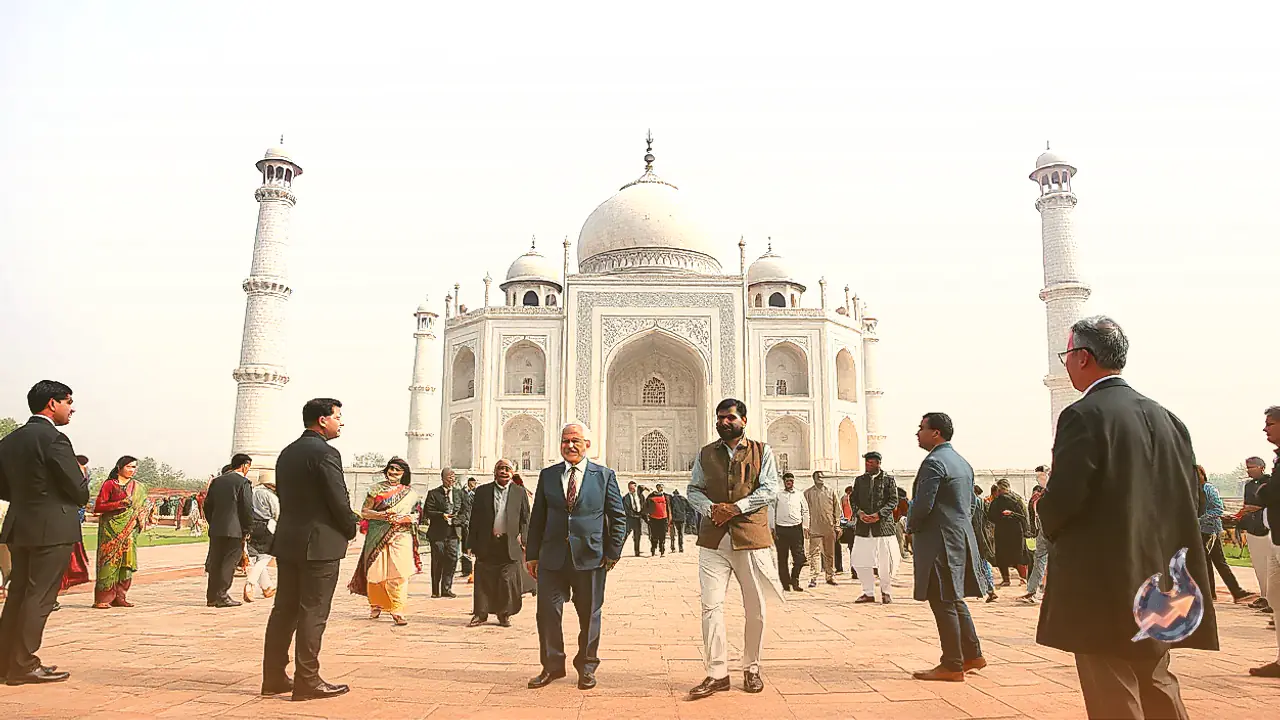
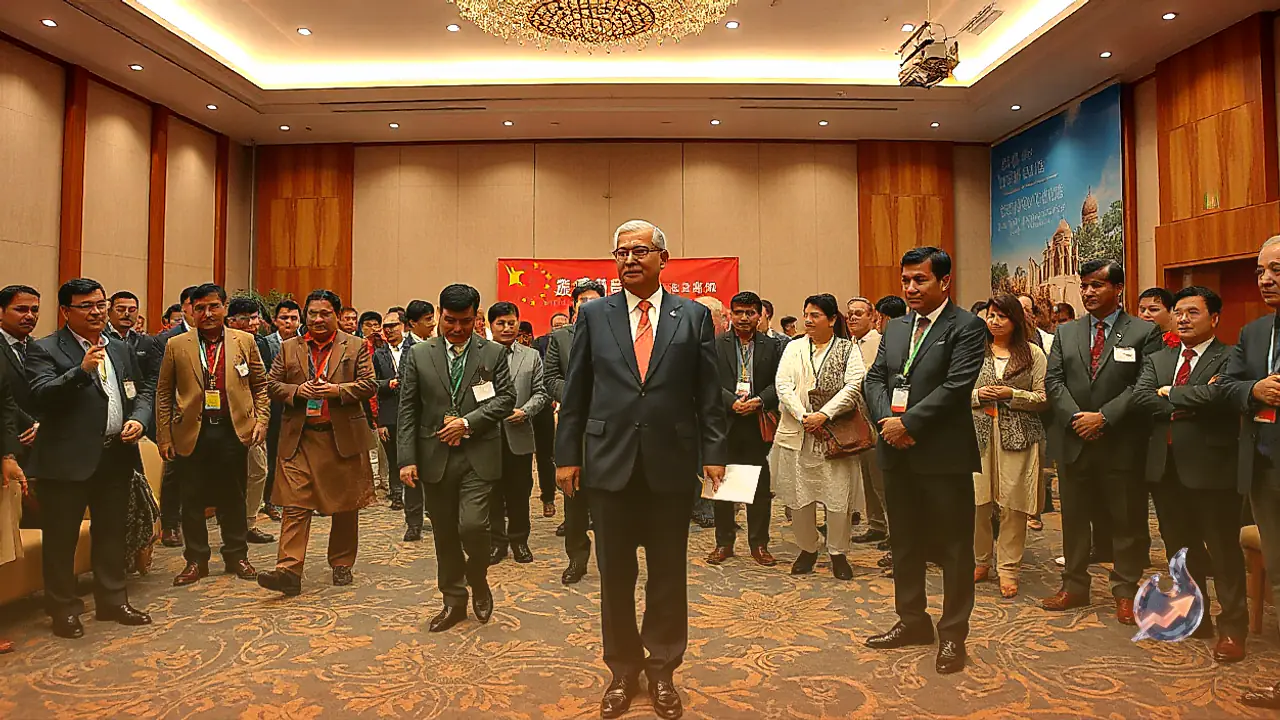
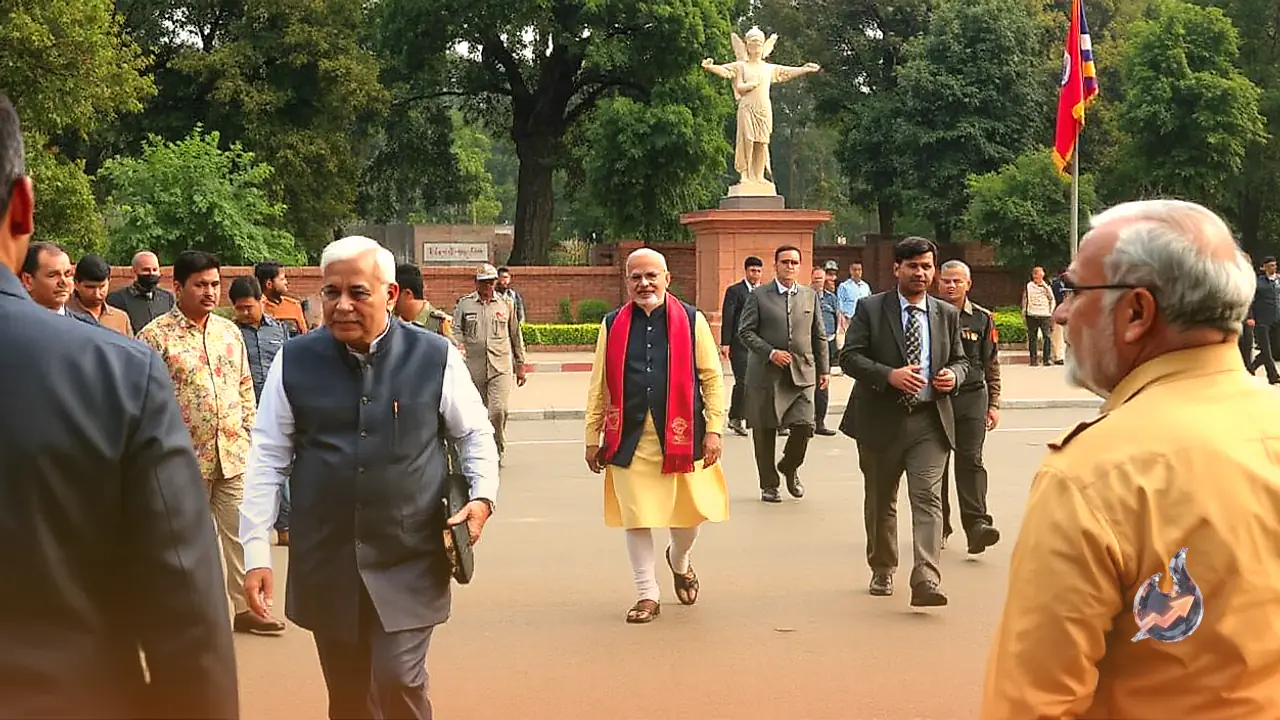
Pakistani minister Musadik Malik traveled to India to participate in the Shanghai Cooperation Organisation civilizational dialogue forum. Arriving in New Delhi during the early hours of 20 November, he attended the inaugural events of the three-day conference later that evening. The historic Purana Qila served as the venue for the gathering hosted by India, with Prime Minister Narendra Modi officially inaugurating the proceedings. Following established diplomatic protocols, invitations were extended to all member states of the bloc, including Pakistan, as announced by New Delhi on 28 October.
First High-Level Visit After Recent Tensions
This engagement marks a notable instance of a Pakistani minister visiting India for a hosted event following the military friction and the developments surrounding Operation Sindoor last year between the two neighboring nations. Pakistan had formally announced on 14 November that its climate change minister would make the trip to join the forum. Observers closely watched how New Delhi would navigate the participation, particularly given that the portfolio held by the visiting minister does not directly encompass cultural affairs and that he had reportedly made remarks concerning water-sharing treaties.
Foreign Ministry Clarifies the Position on Water Treaties
During a media briefing on 20 November, Ministry of External Affairs spokesperson Randhir Jaiswal addressed queries regarding how India viewed the minister's presence at the conference. When asked specifically about the remarks made concerning the water pact, the official emphasized that the national stance on the matter is completely clear and remains unaltered. The direct assertion underscores that participation in regional cooperative forums does not alter core bilateral disputes or long-standing policy frameworks.
Stance on International Court of Justice Ruling and Rohingya Issues
Beyond regional water agreements, the briefing also touched upon wider international legal developments, including a historic ruling by the International Court of Justice concerning Myanmar. India noted the judicial decision and reiterated its consistent backing for the safe, prompt, and sustainable repatriation of displaced Rohingya refugees to the Rakhine state. Highlighting past humanitarian efforts, the official recalled that India previously dispatched relief supplies to refugee camps in Bangladesh across multiple phases under Operation इंसानियत. Furthermore, support has been extended toward the Rakhine State Development Programme inside Myanmar to aid peaceful reintegration and regional stability.