


















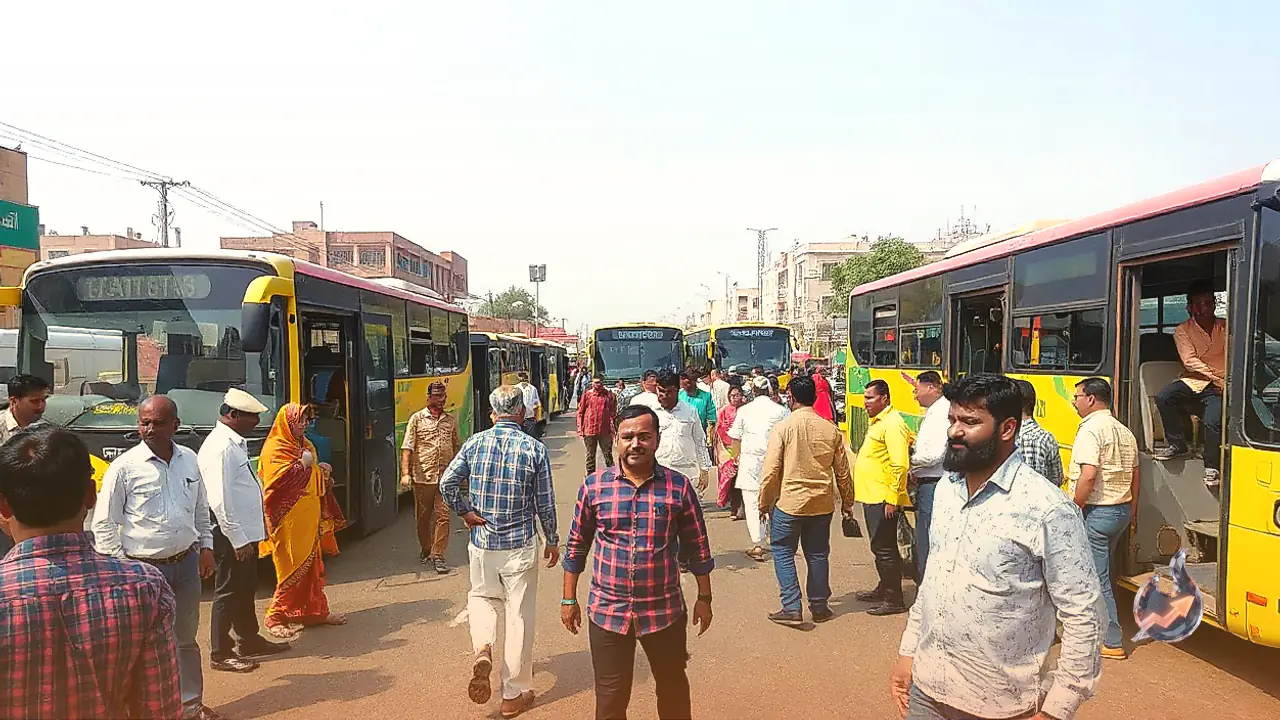

Ajmer received a substantial public transport upgrade on the auspicious occasion of Dhanteras, marking a major leap forward in urban and rural mobility. To streamline transit for residents and daily commuters, 20 new Prime Minister e-buses officially commenced operations on the roads. Assembly Speaker Vasudev Devnani flagged off the fleet from the e-bus station located in Nausar. The introduction of these vehicles is expected to inject fresh momentum into Ajmer's public transit network. Notably, the benefits of this transit expansion will not remain confined to the city limits alone; rural regions will also gain robust connectivity. This development comes as a major relief for thousands of people who travel into the city daily for employment, business, education, and other essential daily chores.
Expanding Modern and Eco-Friendly Transit Networks
Addressing the launch event, Assembly Speaker Vasudev Devnani stated that the Prime Minister e-Bus Sewa scheme is transforming Ajmer's public transportation system into a modern, eco-friendly framework. Under this comprehensive initiative, a total of 100 electric buses are proposed for operation across Ajmer. During the initial phase, 5 buses had already been rolled out. With the addition of these 20 new vehicles, the transit network has grown significantly. In the coming days, the introduction of the remaining buses will further consolidate and strengthen public transport coverage throughout the city and its surrounding suburban and rural pockets.
Operations Managed Through the PPP Model
The core objective of the Prime Minister e-Bus Sewa scheme is to champion public transportation via electric mobility across urban centers while effectively reining in air pollution. To achieve this, the buses are being operated through a Public-Private Partnership model. Shifting toward electric buses will considerably curb the city's heavy reliance on petrol and diesel. Furthermore, compared to conventional fuel-powered vehicles, these electric options play a vital role in reducing toxic emissions and cleaning up the local air. At the same time, the general public gains access to an economical and highly comfortable commuting alternative.
Equipped with CCTV Cameras and Emergency Systems
Prioritizing passenger safety and comfort, the new e-buses are outfitted with a range of contemporary amenities. These air-conditioned vehicles feature installed CCTV cameras to maintain continuous surveillance over passenger security throughout transit. In addition, an advanced fire suppression system has been integrated to tackle potential fire hazards, alongside an emergency button for instant assistance during unforeseen crises. Special consideration has been extended to senior citizens and differently-abled passengers by incorporating automatic doors for seamless boarding and alighting. The air-conditioned interiors further ensure a pleasant and fatigue-free journey for everyone on board.
State-of-the-Art Depot and Charging Infrastructure
To support the seamless daily operation of these electric vehicles, a modern e-bus depot and dedicated charging station have been established in the Nausar Ghati area of Ajmer. Built at an estimated cost of 15 crore rupees, the facility houses comprehensive infrastructure required for overnight charging, fleet maintenance, and technical upkeep. This charging hub serves as the operational backbone for the electric fleet. The rollout also provides citizens with a viable alternative to reduce dependence on private vehicles. The inauguration ceremony witnessed the presence of Mayor Anamika Sharma, Ramesh सोनी, Deputy Commissioner Mahavir Singh, Bharat Raj Gurjar, and several other prominent public representatives.