



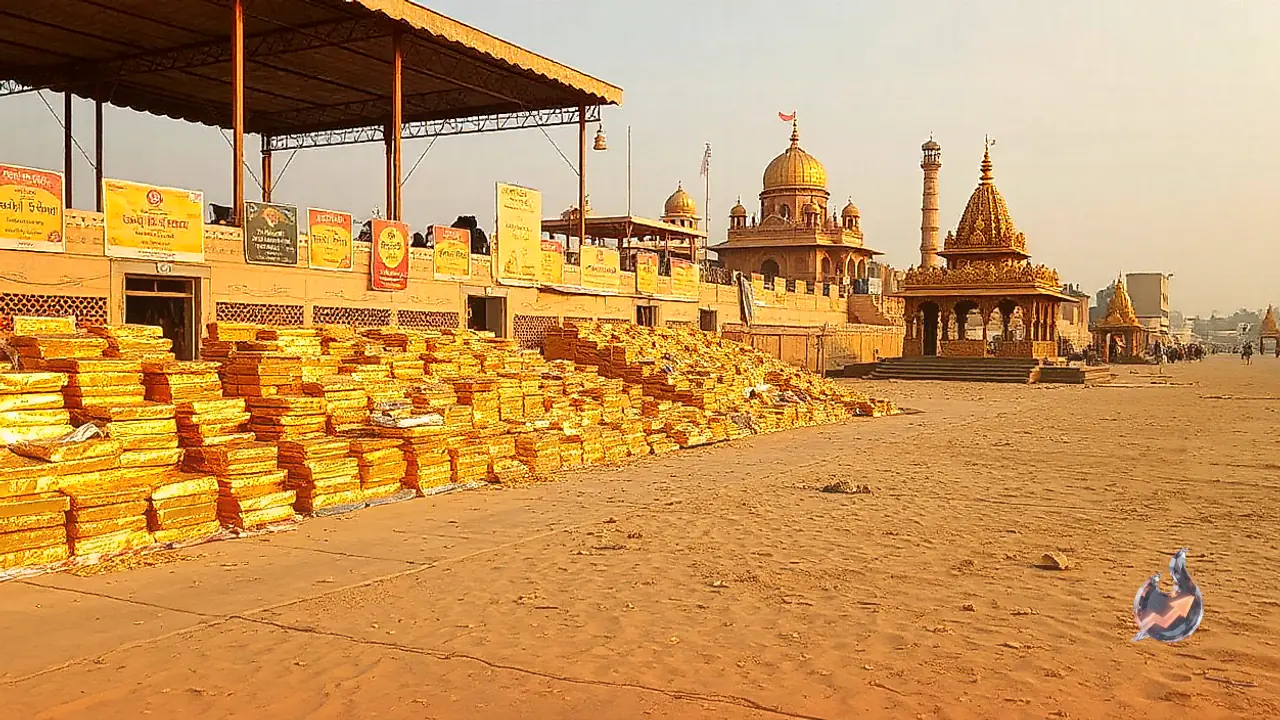














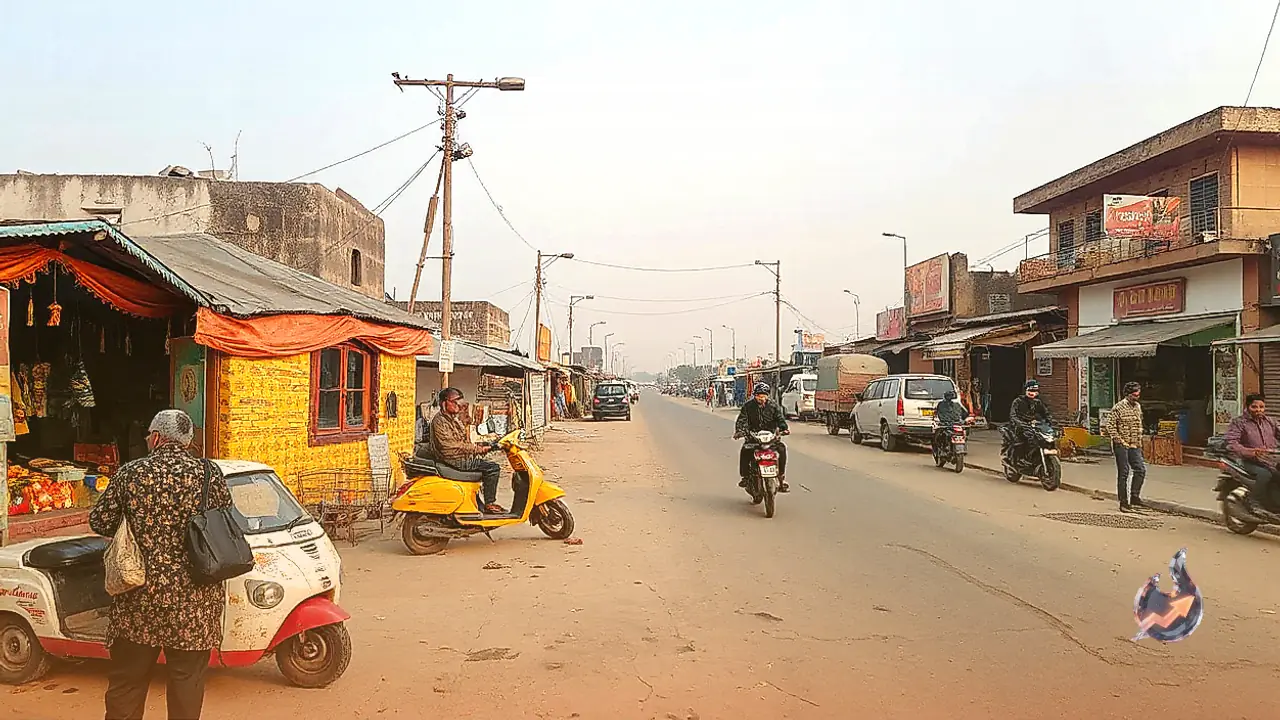

The festive season of Diwali has brought bustling crowds to markets, triggering a sharp surge in the demand for sweets, cooking oil, ghee, and various other food items. Households are busy preparing traditional delicacies, while people are purchasing gift sweets for their relatives and friends. However, amidst this celebratory atmosphere, the persistent threat of food adulteration has emerged once again, posing a serious risk to public health. Recent enforcement actions by the food safety department in the districts of Alwar and Jalore within Rajasthan have cast fresh doubts on the purity of edible goods flooding the market.
Large Quantity of Fake Saras Ghee Seized in Alwar
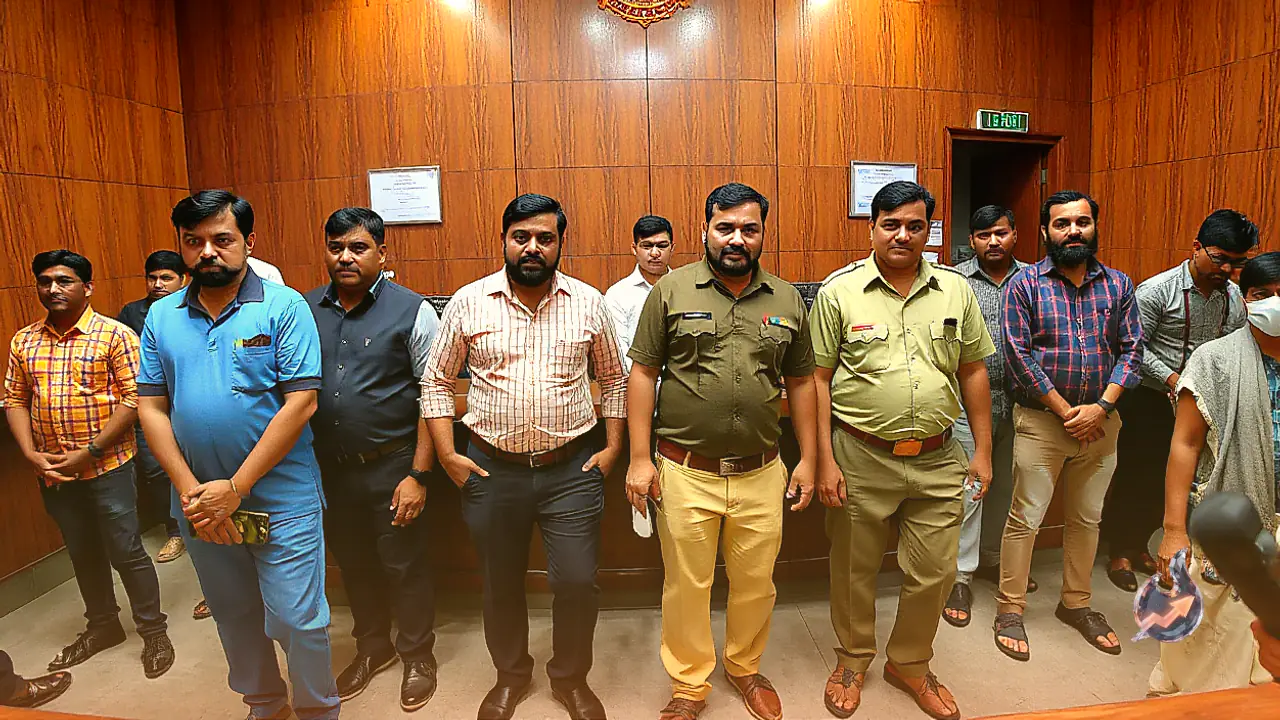
Acting on a specific complaint regarding the sale of counterfeit Saras Ghee in Alwar, a team of food safety officials launched a sudden raid at a local business establishment. The authorities inspected Prakash General Store situated in Lili village, where they scrutinized the ghee packets displayed for sale. The inspection was subsequently extended to the trader's residential premises as well. During these coordinated searches, authorities recovered containers of Saras Ghee from both the shop and two cartons stored inside the house, bringing the total haul to approximately 36 kilograms of ghee.
Initial evaluations by the officials revealed that the packaged ghee appeared suspicious and heavily adulterated. Taking prompt action, the food safety team collected two official samples from the stock for laboratory testing to verify their composition. The remaining bulk of the suspicious material, amounting to roughly 33 kilograms, was formally seized on the spot. Such surprise checks are seen as crucial measures to deter unscrupulous traders from compromising consumer well-being during peak consumption periods.
Surprise Inspections Across Sweet Outlets in Jalore
Meanwhile, rigorous enforcement drives by the food safety department continued unabated across the Jalore district. Acknowledging the heightened risk of food adulteration during major festival periods, a dedicated inspection team carried out unannounced visits to several prominent confectionary stores. The targeted establishments included well-known local names such as Rajभोग स्वीट, अग्रवाल मिष्ठान भंडार, and गुप्ता स्वीट एंड जलपान, where food inspectors collected various sweet samples for quality assessment.
Food Safety Officer Sunil मीणा spearheaded the inspection team as they systematically reviewed hygiene and product standards across the targeted outlets. Given the strong apprehension of widespread adulteration, all collected samples have been dispatched to authorized laboratories for thorough chemical analysis. The entire administrative operation was executed under the statutory framework of the FSS Act 2006, underlining the state's commitment to maintaining food safety standards during high-demand festivities.
Health Concerns Amidst Escalating Festive Consumption
The festival of Diwali witnesses a massive escalation in the consumption of dairy products, traditional sweets, and cooking mediums. While citizens procure ghee for preparing homemade delicacies, commercial sweet shops experience continuous queues of eager customers. If essential food items sold during this period are compromised with harmful adulterants, the repercussions can directly endanger public health. The recent interventions involving the seizure of counterfeit ghee in Alwar and the rigorous sampling in Jalore emphasize how vital stringent regulatory monitoring remains during festival windows. Although every commercially available item cannot be prematurely labeled as adulterated without concrete proof, timely departmental action against suspicious goods is an essential safeguard for consumers.