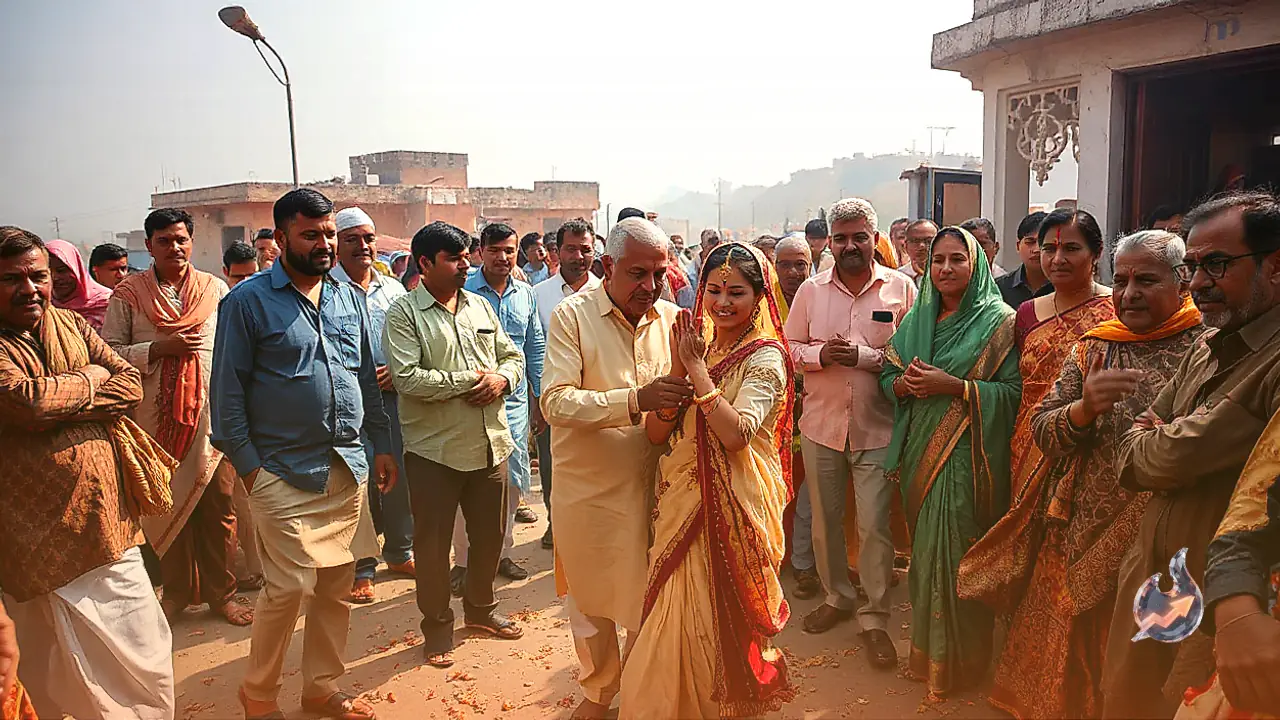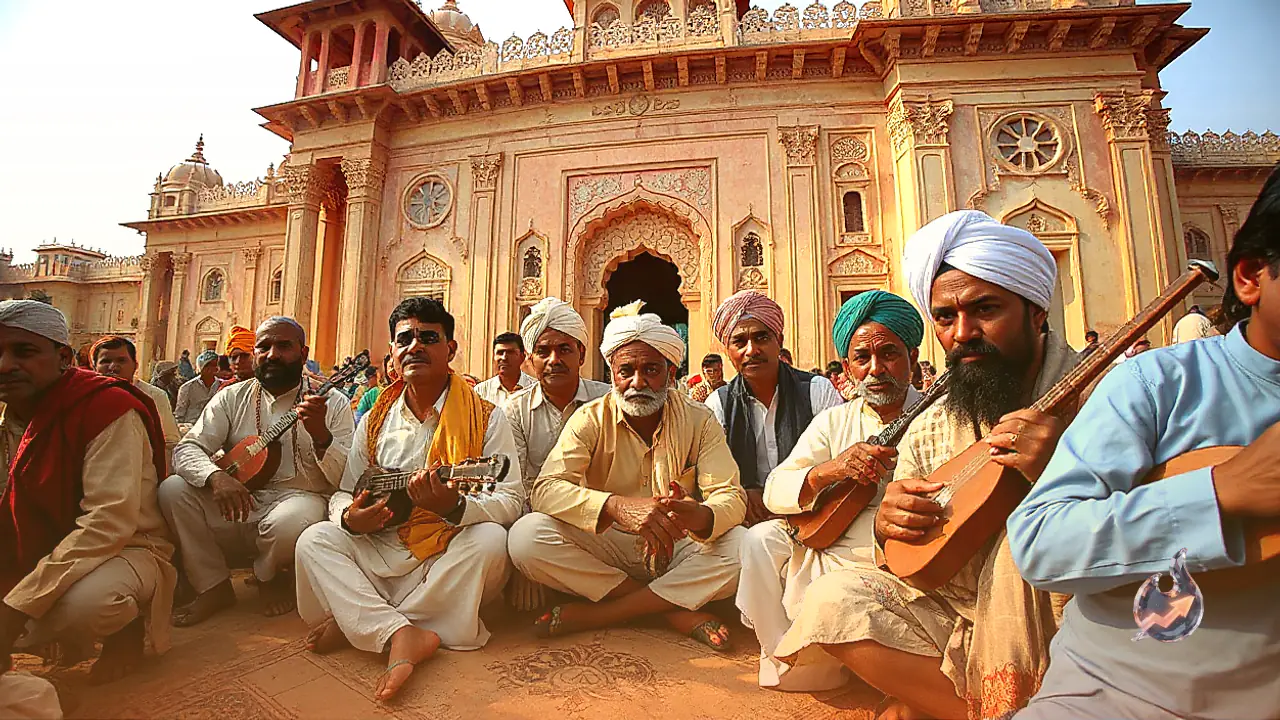

Wedding season is currently underway across Rajasthan and the rest of the country, filling lanes and neighborhoods with the joyful sound of celebratory brass bands. Whenever a wedding procession moves forward, musicians in striking uniforms march at the front, entertaining onlookers. However, few people ponder who these artists truly are or how deep their artistic roots run. In Bikaner, this musical tradition stretches back nearly two hundred years, with members of the Damami community tied to music and dance since the princely state era. Once celebrated for showcasing their artistry inside royal courts, these individuals continue preserving their ancestral heritage today by playing in wedding bands.
Dr. Nitin Goyal, senior research officer at the Rajasthan Prachyavidya Pratishthan, explained that during the princely rule of Bikaner, the Damami community was closely linked to dance and music. These performers excelled at playing various traditional instruments like the dholak and been, while also making significant contributions to vocal performance and dance. According to historical records cited by Dr. Goyal, their functional role is clearly documented in old administrative registers. A ledger dating back roughly two hundred years notes that Damami community members were officially appointed to a designated state venue known as Alamkhana, where they demonstrated their art through dance and song during auspicious ceremonies and festivals.
Royal Recognition and Historical Records from Vikram Samvat 1933
Another prominent piece of evidence regarding the community's artistic standing and state recognition appears in a historical record from Vikram Samvat 1933. According to this document, Damami artists were specifically assigned to perform song and dance during the grand anniversary celebrations of the ruling ruler. For their exceptional performance, they received a reward of two hundred rupees, which was considered an exceptionally large sum at that time. This historical document proves how much respect and importance the art of this community commanded during the royal era.
Modern Brass Bands Embrace a Centuries-Old Family Tradition
With the passage of time, musical instruments and methods of entertainment have undergone massive transformations. Traditional dholaks, beens, and folk instruments have gradually given way to modern brass bands and electronic sounds. Despite all these shifts, the connection between the Damami community and music in Bikaner remains thoroughly intact. By performing at marriages and other festive occasions, this community successfully carries forward its centuries-old cultural legacy.