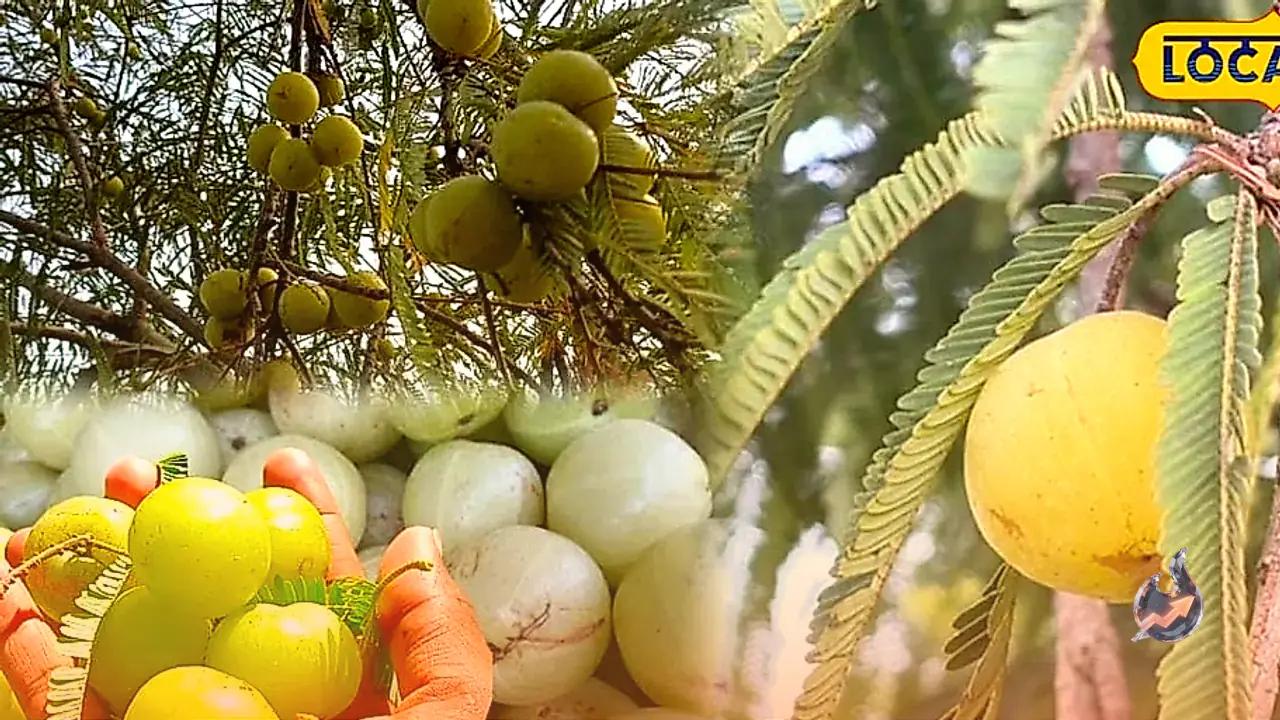

The agricultural landscape in the Weir and Bhusawar regions of Rajasthan's Bharatpur district is undergoing a major shift. Growers here are no longer restricting themselves to conventional farming methods, moving rapidly toward horticulture instead. Amid this shift, gooseberry cultivation has emerged as a robust and reliable source of high profits and steady income for cultivators. The fruit produced here maintains a distinct market identity thanks to its large size, attractive appearance, superior taste, and high yield. High quality ensures steady demand in agricultural mandis, allowing cultivators to secure solid financial returns from their harvests.
Long-term yields and low water requirements
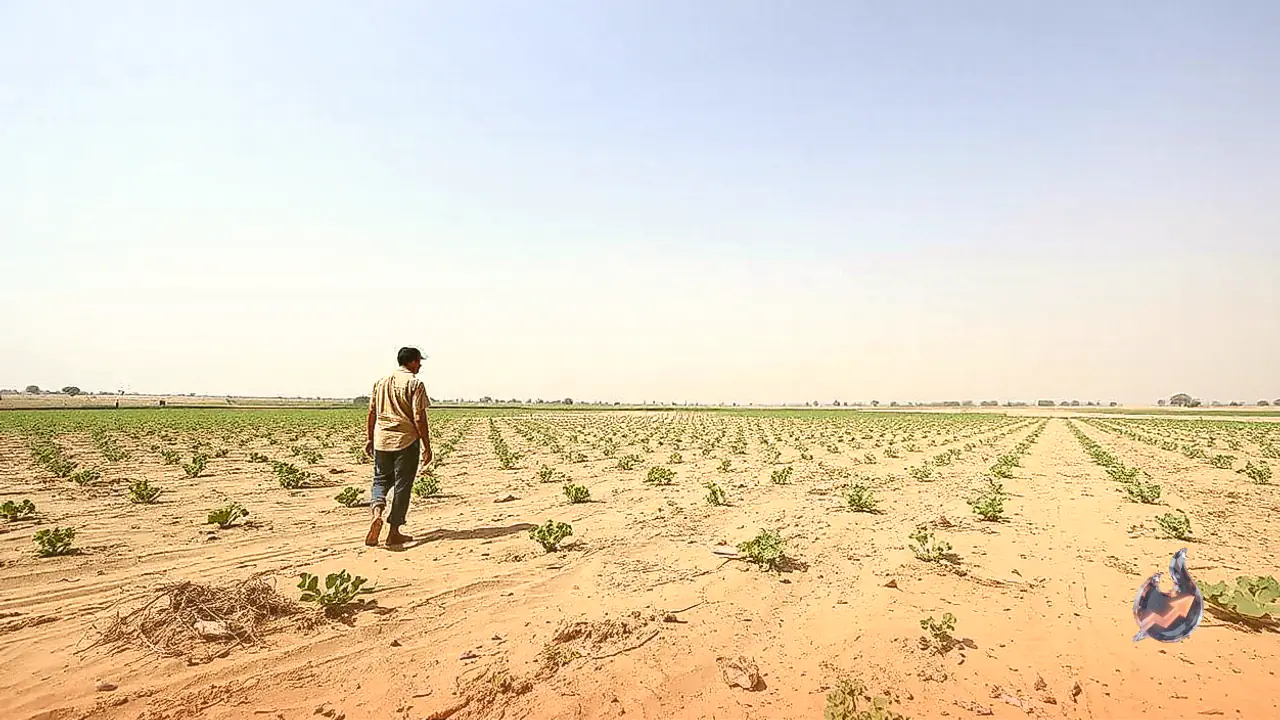
Gooseberry horticulture is visible on a large scale across the Bhusawar area of Bharatpur. Cultivators plant these crops in their fields, manage regular maintenance, and harvest the fruits when the season arrives. The primary advantage of the gooseberry tree is that once established, it continues production consistently over many years. This frees growers from the recurring expenses of annual sowing while offering long-term earning opportunities. Furthermore, this type of horticulture proves remarkably successful and practical even in regions with scarce water resources.
The distinct identity of Bhusawar's famous pickle
The gooseberry harvested in Bhusawar is not only sold as a raw fruit, but the traditional pickle processed from it has also become a major hallmark of the region. High-quality gooseberries are processed locally using special traditional methods. Traditional spices and pure oils are blended in to give it an exceptional flavor profile. This pickle's taste appeals widely to consumers, driving heavy demand across Bharatpur, neighboring districts, and distant regions alike.
Nutritional powerhouse and source of employment
From a health perspective, gooseberries are regarded as highly beneficial because they contain abundant amounts of vitamin C and other essential nutrients. In rural areas, the fruit is utilized to make murabba, chutneys, and various other food products alongside pickle production. This synergy between farming and local food processing is bringing fresh recognition to the Bhusawar area. Gooseberry horticulture not only strengthens the financial standing of cultivators but also creates fresh employment avenues at the local level.