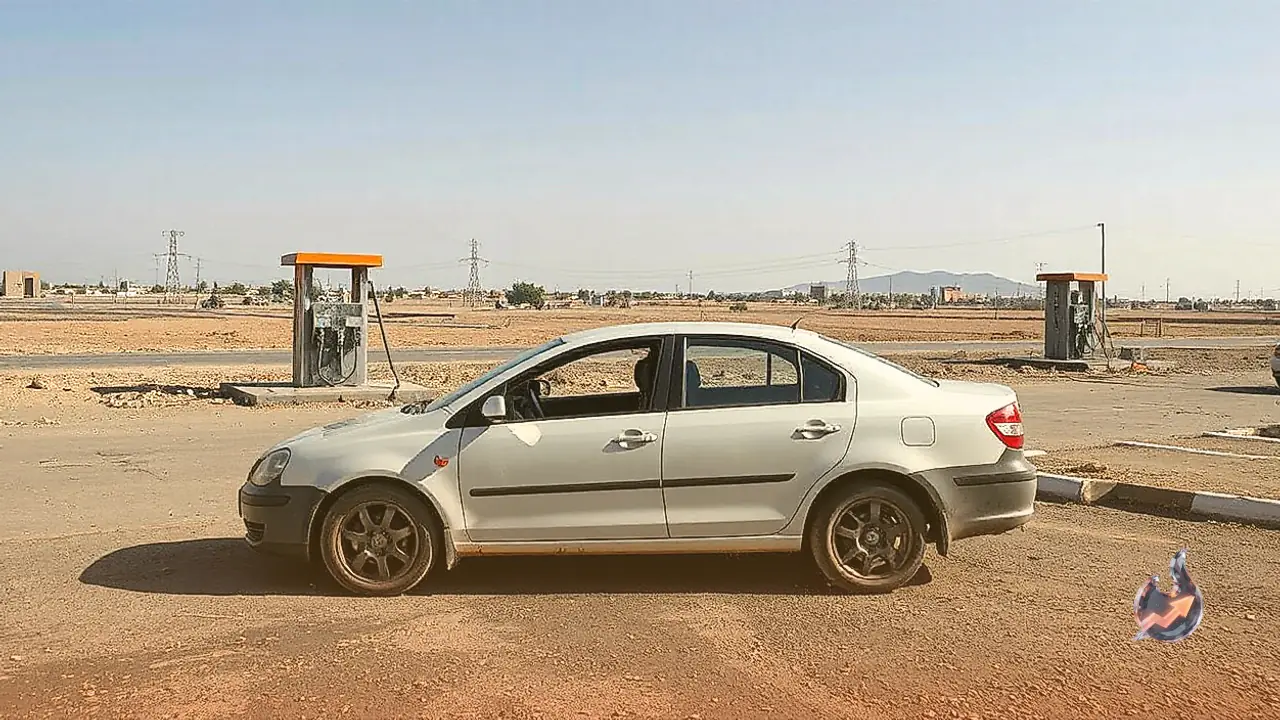

The dream of affordable commuting for vehicle owners who switched to CNG cars in Kota is steadily fading away under the weight of rising fuel prices. Following the global disruptions and the Iran war, CNG rates have experienced a sharp upward trajectory over the past seven months, climbing by roughly Rs 12 to reach Rs 104 per kilogram. Back on April 1, CNG was priced at Rs 92.50 per kilogram, marking a substantial hike of Rs 11.50 within this timeframe. When looking at the broader picture over the past year, the total increase stands at around Rs 13. This relentless escalation in prices has started to strain household budgets, making daily travel significantly less economical than before.
It is not just CNG that has become expensive, as petrol and diesel prices have also recorded notable hikes this year. According to Tarumeet Singh Bedi, President of the Kota Petroleum Dealer Association, petrol and diesel rates have gone up by Rs 7 to Rs 8 since January 1. During this period, petrol prices climbed by Rs 7.95 from an initial Rs 104.26 to settle at Rs 112.21 per liter. Meanwhile, diesel increased by Rs 7.57 from Rs 89.79 to reach Rs 97.36 per liter. These mounting fuel costs have compounded the financial burden on vehicle owners, translating to higher expenses for routine commutes.
Market distribution data indicates that after petrol, customers lean most heavily toward purchasing CNG vehicles. Currently, the car segment sees sales distributed as roughly 40 percent petrol vehicles, 25 percent CNG, 17 percent diesel, 8 percent electric, and about 10 percent hybrid models. While public demand for CNG and the number of gas-powered cars on the road are both on the rise across the country, India remains heavily dependent on foreign imports to meet its supply requirements. Even though a production plant is operational in Gujarat, domestic output falls short of fulfilling the nation's overall consumption needs.
According to available details, natural gas availability within India stands at a mere 6 percent, with the remaining requirement fulfilled through imports. Consequently, any upward movement in international market rates directly reflects on domestic pricing. Bedi noted that compared to petrol and diesel, CNG and PNG prices tend to rise at a slower pace and are typically revised only two to three times a year. He maintained that CNG remains considerably cheaper than petrol, serves as a safe option for vehicle engines, and functions as a pollution-free green gas, adding that domestic prices could decrease if national production scales up.
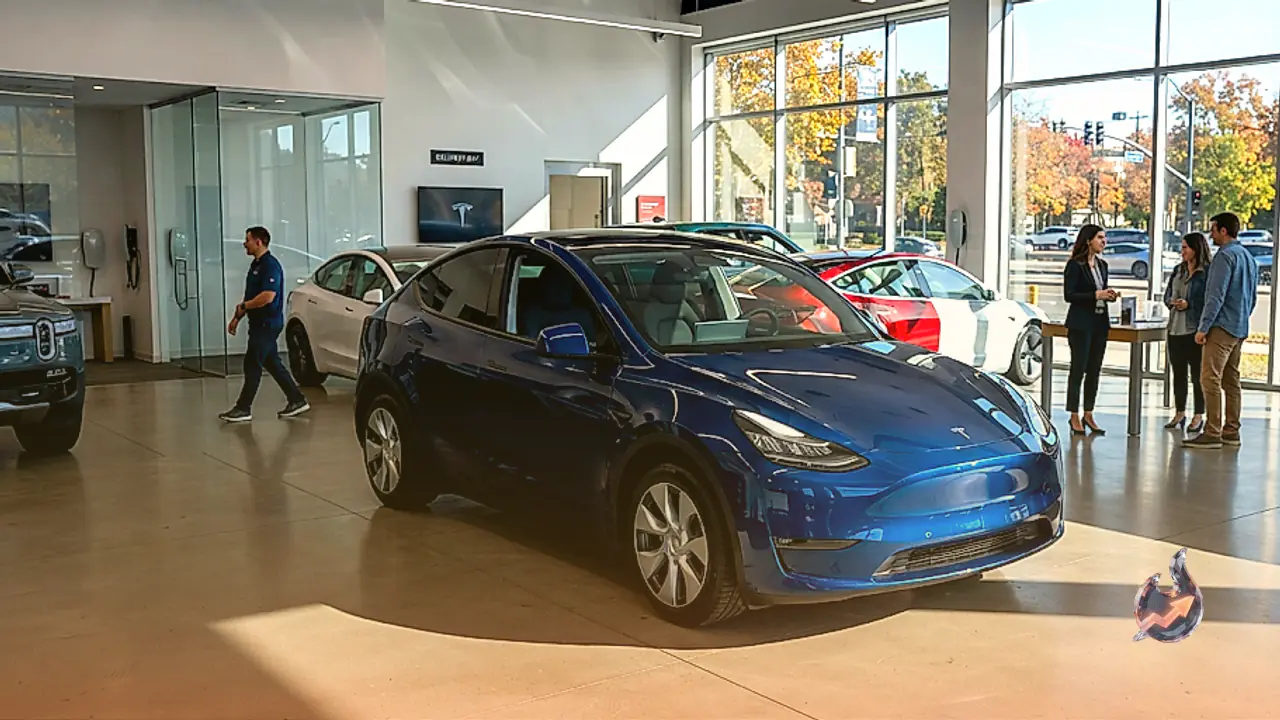
The financial math surrounding the purchase and operation of CNG cars has also left many buyers disappointed. CNG cars generally come with a price tag roughly Rs 1 lakh higher than their petrol-powered variants. Furthermore, retrofitting an older petrol or diesel vehicle with a CNG kit incurs an expense of around Rs 1 lakh for cars, while conversion costs for larger vehicles are even higher. Several public buses in Kota are also currently operating on CNG after having kits installed. Drivers of these vehicles note that after investing in expensive setups, purchasing high-priced gas has now become an unavoidable compulsion.
An auto-rickshaw driver in Kota shared that when he first began driving his rickshaw, CNG was priced at just Rs 48 per kilogram, meaning rates have now more than doubled. Usman, a resident of Modak, expressed frustration that owning a CNG vehicle has yielded no real financial advantage for him. According to him, CNG prices are now higher than diesel and only slightly lower than petrol, warning that if prices climb further, the mileage benefits will completely vanish.
Analyzing vehicle efficiency and operational costs, petrol cars typically deliver a mileage of 18 to 25 kilometers per liter, while certain hybrid models achieve up to 28 kilometers per liter. In comparison, CNG vehicles offer a mileage range of 18 to 34 kilometers per kilogram, averaging around 28 kilometers. This puts the running cost of a petrol car at roughly Rs 5 to Rs 7 per kilometer, whereas a CNG car incurs a cost of about Rs 4 per kilometer. Notably, just a year or two ago, this running cost used to be well below Rs 3 per kilometer, highlighting how narrow the margin of savings has become.