
The political landscape of Rajasthan's Jhunjhunu district has shifted decisively following the conclusion of the panchayat committee pradhan elections. The ruling outcomes reflect a dominant mandate for the Congress party across the region. Out of a total of 14 panchayat committees in the district, Congress candidates successfully captured 12 pradhan positions. Meanwhile, the Bharatiya Janata Party managed to secure victories in only 2 committees.
Uncontested Wins and Rising Women Leadership
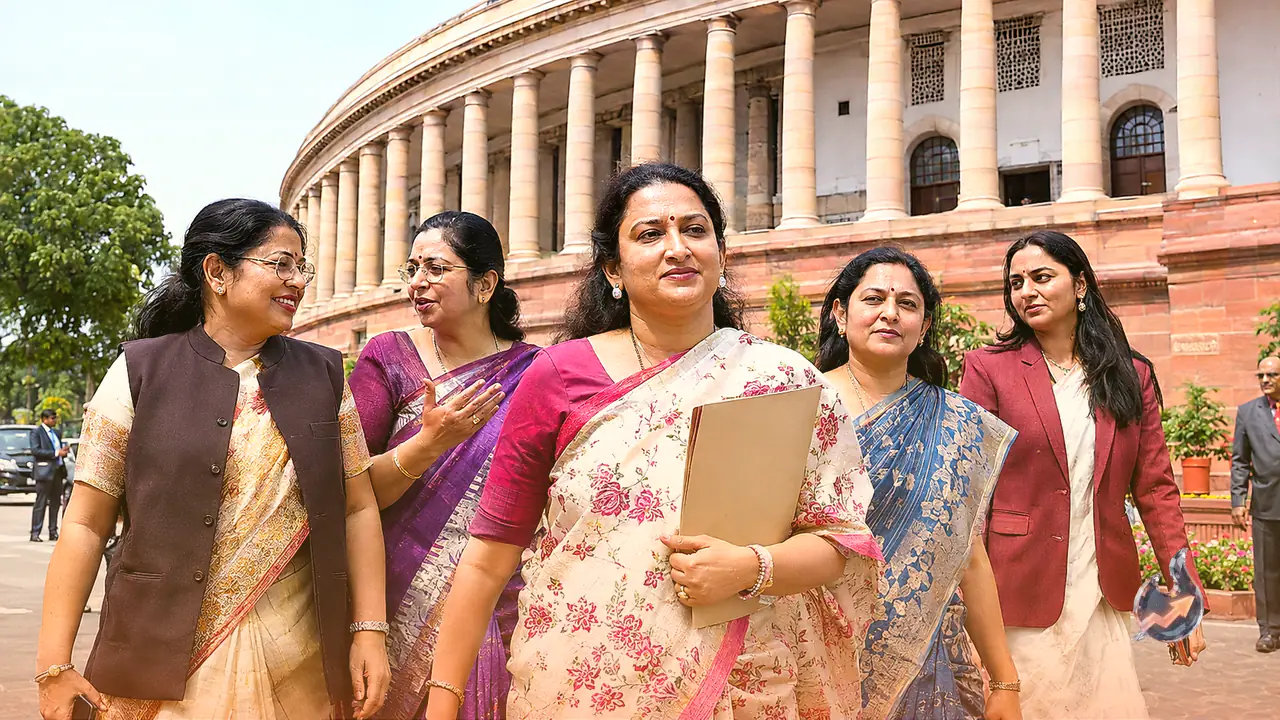
The election process featured varied contests across different blocks, including notable uncontested victories. In Udaipurvati and Singhana, Congress candidates were elected as pradhan without opposition. A standout feature of these election results is the substantial representation of women in local governance. Across the district, women secured the pradhan office in 9 out of the 14 panchayat committees, highlighting a prominent shift toward grassroots female leadership.
Detailed Breakdown of All 14 Panchayat Committees
In Jhunjhunu panchayat committee, Ramniwas emerged victorious, securing 12 votes out of 19 total cast members, while BJP candidate Manju Devi received 7 votes. In Chirawa, Kamla Janu won with 11 votes, defeating Manju Devi who got 7 votes, with one vote being declared invalid. Shanti Devi claimed the pradhan seat in Pilani by securing 10 votes out of 17, leaving Anita from the BJP with 7 votes.
Phoolchand Saini was elected unopposed in Udaipurvati, where the party held 15 out of 17 seats. Similarly, Poonam Devi won unopposed in Singhana, following a local tally where Congress held 9 seats, BJP secured 4, and independents won 2. Breaking the trend in Babai, Guddi Kanwar of the BJP won the pradhan seat by securing 12 out of 17 votes against Rinku, who received 5 votes. In Khetri, Kedarmal Kheechhi of the BJP secured victory with 14 votes out of 21, while independent candidate Manju Devi managed 2 votes.
In Alsisar, Anita won the pradhan post with 12 votes, defeating Rajendra Singh of the BJP who received 6 votes. Manju Gil triumphed in Gudhagourji, securing 16 votes out of 23 against Bimla Devi's 7 votes. Subhita Seegad won the pradhan position in Nawalgarh with 10 votes, ahead of Parvati Devi who got 7 votes. Savita Singh registered a strong win in Surajgarh by securing 11 votes, leaving Sumit with 3 votes.
In Buhana, Harikrishna Yadav won the pradhan seat with 9 votes against Suman's 8 votes. Kirodimal Payal secured 10 supporting votes out of 15 to win in Mandawa. Rajesh Devi was elected pradhan in Gothra, where Congress claimed 13 votes and the BJP received 4. These figures collectively illustrate a wide-scale consolidation of support at the rural governance level.
Political Significance and Rural Impact
These election outcomes send a clear signal regarding the grassroot influence of political parties in rural administrative bodies. While the BJP retained presence through victories in Babai and Khetri, the sweeping majority claimed by Congress highlights its stronghold across the district. The extensive success of women candidates further underscores a progressive shift in rural political representation.