



















Spending hours watching reels on social media platforms or constantly checking phones has become a common habit. However, Rashtriya Swayamsevak Sangh (RSS) chief Mohan Bhagwat has issued a significant warning regarding this trend. He stated that Facebook and Instagram have today transformed into a type of addiction. Addiction is not merely restricted to alcohol or other intoxicants, as everyday items like tea and coffee can also become habits. According to Bhagwat, any form of addiction diminishes human awareness, affecting not just an individual but society as a whole. This commentary is likely to spark a fresh debate on rising social media usage.
Remarks at the Ghosh Camp in Jodhpur
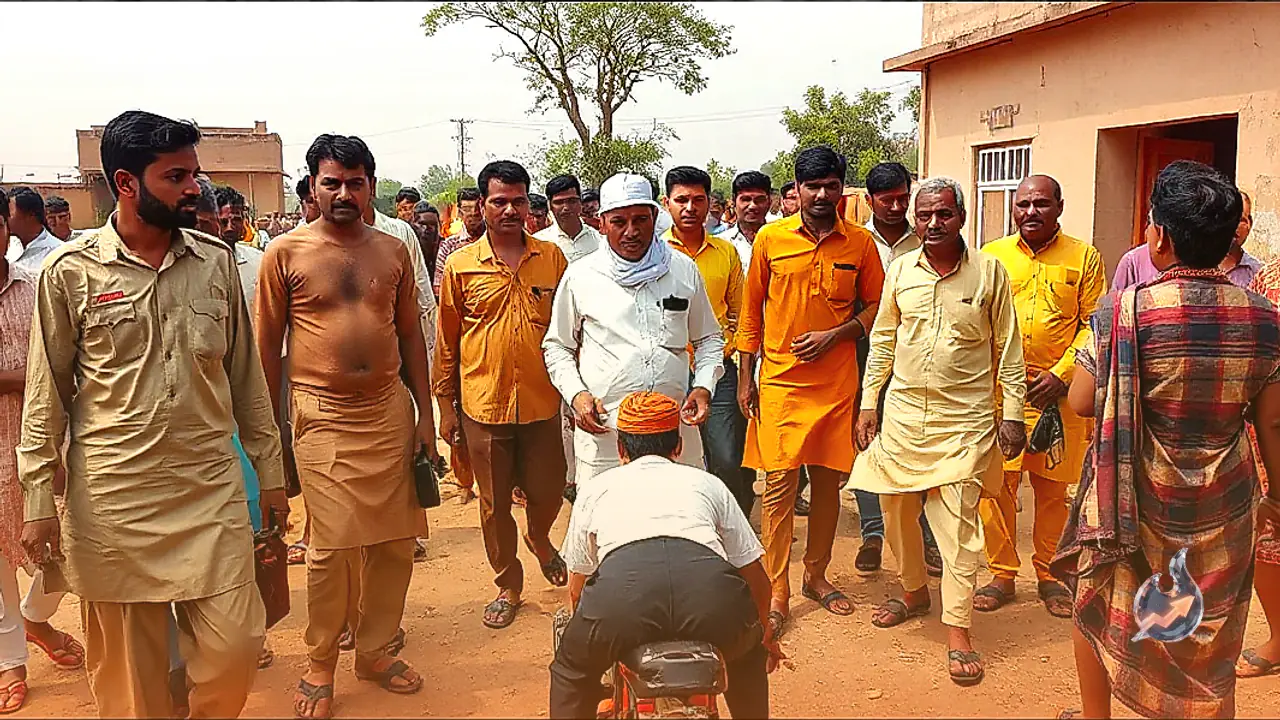
The RSS chief made these remarks during the concluding ceremony of the Maru Ninad-2026 Ghosh camp held in Jodhpur, Rajasthan. He cautioned people against developing an excessive attachment to identities based on caste, language, and state. Bhagwat stated that individuals who distance themselves from such narrow attachments lead much happier lives. He expressed concern over attempts to divide the country, citing the British policy of divide and rule. According to him, India is moving in the right direction, but certain global forces do not want the nation to become a great power. He appealed for organizing society and prioritizing national interest.
From Tea and Coffee to Social Media
Mohan Bhagwat rejected the notion of confining addiction solely to intoxicating substances, noting that common items like tea and coffee can also create dependencies. In the current era, Facebook and Instagram have emerged as new forms of addiction. Every type of addiction weakens an individual's awareness, and when a person comes under the control of a habit, it influences their thinking and behavior. The impact of such dependencies extends beyond the individual, affecting societal awareness as well. Amid rising digital consumption, his observation serves as a strong caution regarding digital habits.
Appel to Transcend Caste and Linguistic Attachments
The RSS chief questioned the excessive emotional attachment to state identities alongside caste and language. He suggested that instead of getting entangled in minor identities, people should focus on the broader society and the nation. Those who stay away from such attachments lead significantly more fulfilled lives. Bhagwat also expressed worry over efforts to fragment India, mentioning the historical divide-and-rule tactics of the British to illustrate how attempts are being made to divide society along minor identities. He noted that India is a treasure trove of everyone's hopes, but global dynamics remain complex due to self-serving elements opposing India's rise.
The Need for Selfless Individuals in Every Village
Mohan Bhagwat emphasized the crucial role of grass-roots individuals with strong character in strengthening society. He stated that every village and locality needs 25 to 100 such selfless people who stand by others through thick and thin. These individuals must remain dedicated to the country and work toward binding society together. A robust society cannot rely solely on prominent leaders or organizations; the presence of individuals who assist others without any self-interest is vital among common citizens. A society organized through the spirit of duty and national service strengthens the nation.
Questioning the British Education System
The RSS chief criticized the education system implemented during the British colonial rule, pointing out that the British dismantled India's traditional educational framework and imposed their own model. This eroded the nation's traditional strengths and contributed to India's decline. He stressed the importance for society to understand its roots and heritage. To illustrate the significance of unity, Bhagwat cited an example from the Mahabharata, noting that the Kauravas possessed a vast army and formidable warriors like Bhishma, Dronacharya, Karna, and Ashwatthama. Yet, they lost due to internal differences. Conversely, the Pandavas had a smaller force but remained united, ultimately emerging victorious. This demonstrates that internal discord can weaken any organization, while unity can bring victory to a smaller force.