














Situated in the Marwar Junction tehsil of Rajasthan's Pali district, Jojawar village holds a uniquely distinguished place across the state owing to its rich architectural heritage, centuries-old history, and vibrant cultural diversity. Resting peacefully at the foothills of the scenic Aravalli range, this historic settlement was known in ancient times by the name 'Jahazpur'. What makes Jojawar truly extraordinary is its exceptional geographical position, as it sits precisely at the convergence point where two of Rajasthan's most historically prominent and culturally rich regions, Mewar and Marwar, meet. Counted among the largest villages in Pali district, Jojawar's golden past reflects a harmonious blend of traditions. Here, the warm hospitality famous throughout Marwar meets the celebrated folk arts and artistic heritage of the Mewar region, creating an authentic rural retreat surrounded by the natural contours of the Aravalli hills.
The Unique Cultural Confluence of Mewar and Marwar
Because Jojawar is positioned right on the border separating Mewar and Marwar, the local lifestyle and daily routines of its residents exhibit a distinct dual influence. Within a single village home or courtyard, one can witness the seamless integration of Marwari social customs alongside Mewari artistic expression. This cultural intersection is vividly mirrored in the local dialect, traditional clothing styles, regional recipes, and ceremonial practices observed during community gatherings. The culinary flavors and festive celebrations practiced in Jojawar offer a fascinating synthesis of both territories. This rare blending of customs makes Jojawar stand out among traditional Rajasthani settlements, rendering it a culturally wealthy location that continues to captivate visitors.
Five Centuries of Royal History and Garh Halawata Fortress
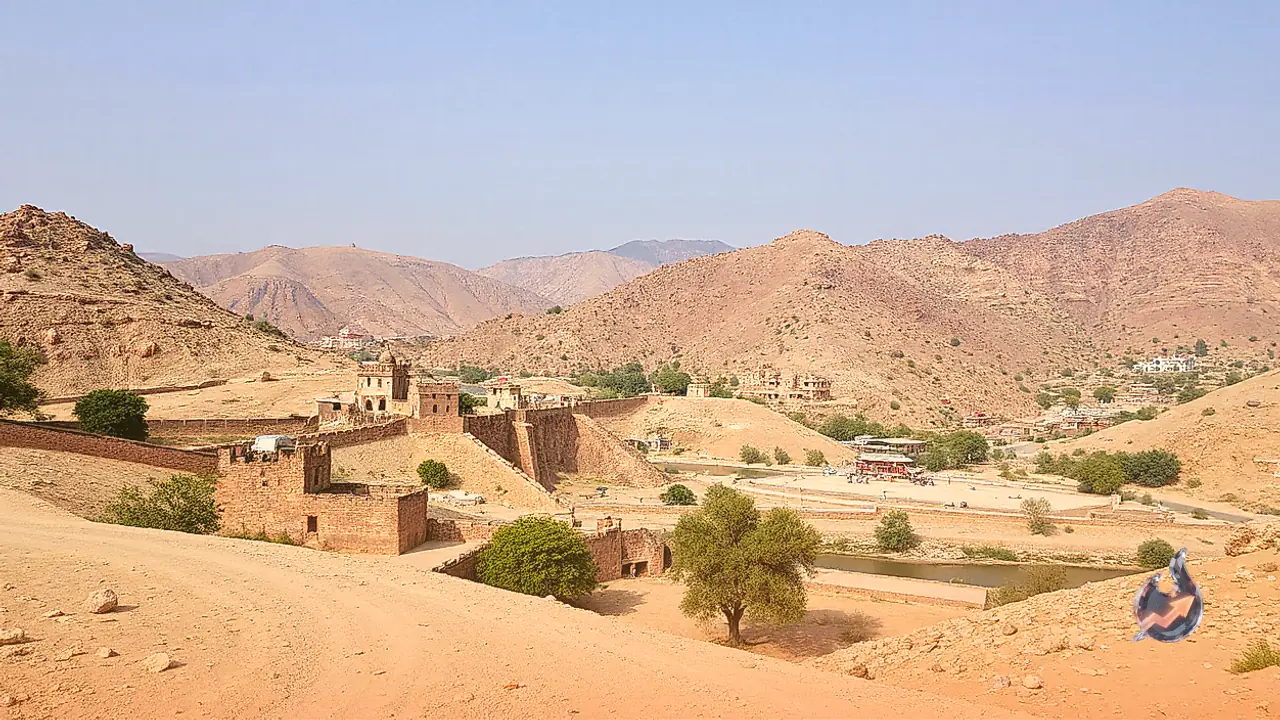
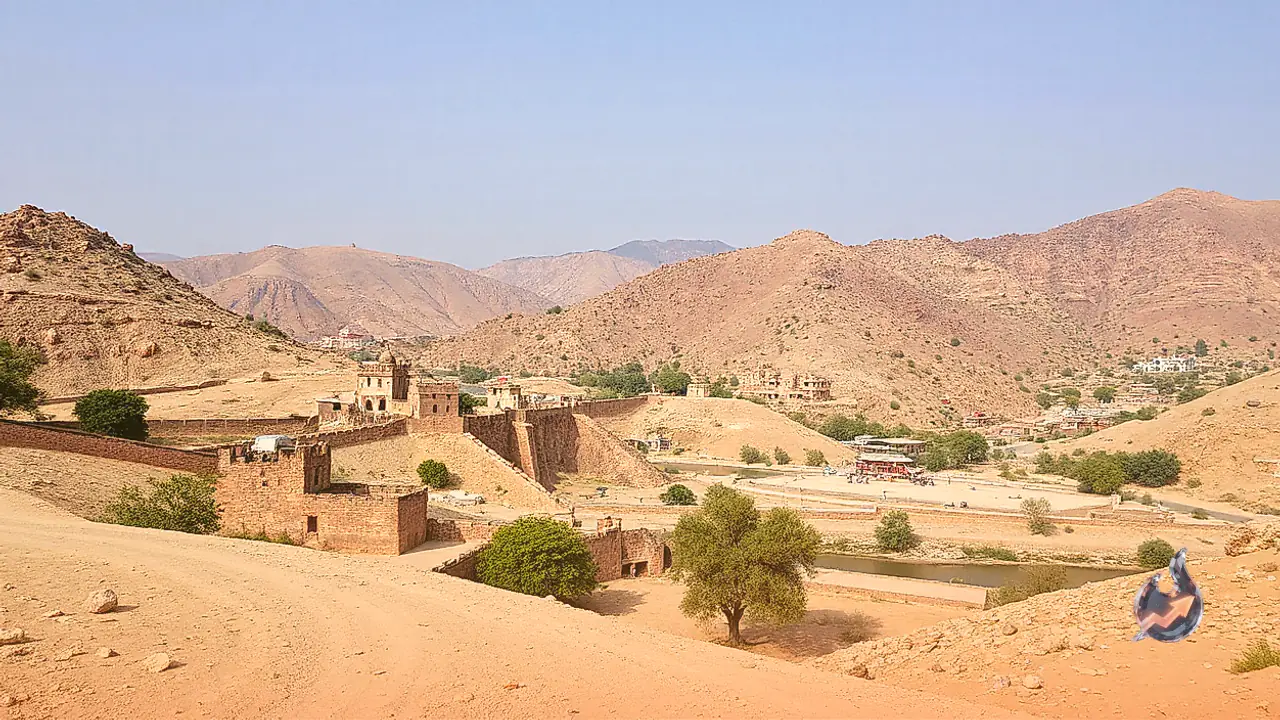
Jojawar's history spans many centuries, filled with heroic tales and rich governance heritage. Nestled nearby in the surrounding heights of the Aravalli range stands 'Garh Halawata', an ancient fort that serves as an enduring symbol of the area's proud past. This historic stronghold was originally constructed by the Halawat branch of the Solanki dynasty. Historical accounts record that the Solanki dynasty ruled over this territory for more than 500 years. Later, control of this important fiefdom passed to the Songara Chauhan Rajput dynasty of Rakhi. The Songara Chauhan rulers played a vital role in preserving the region's cultural traditions, protecting its architectural monuments, and sustaining local heritage through changing times.
Rawla Jojawar: Royal Seat Transformed into Heritage Boutique Hotel
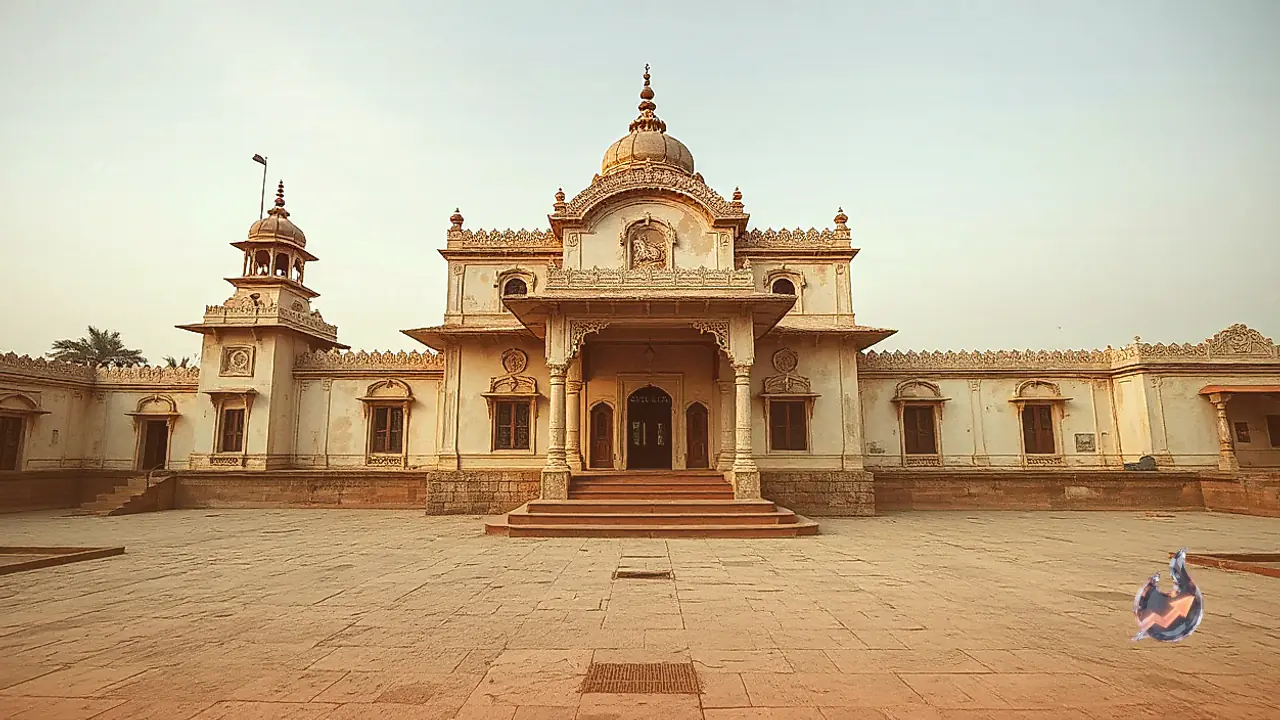
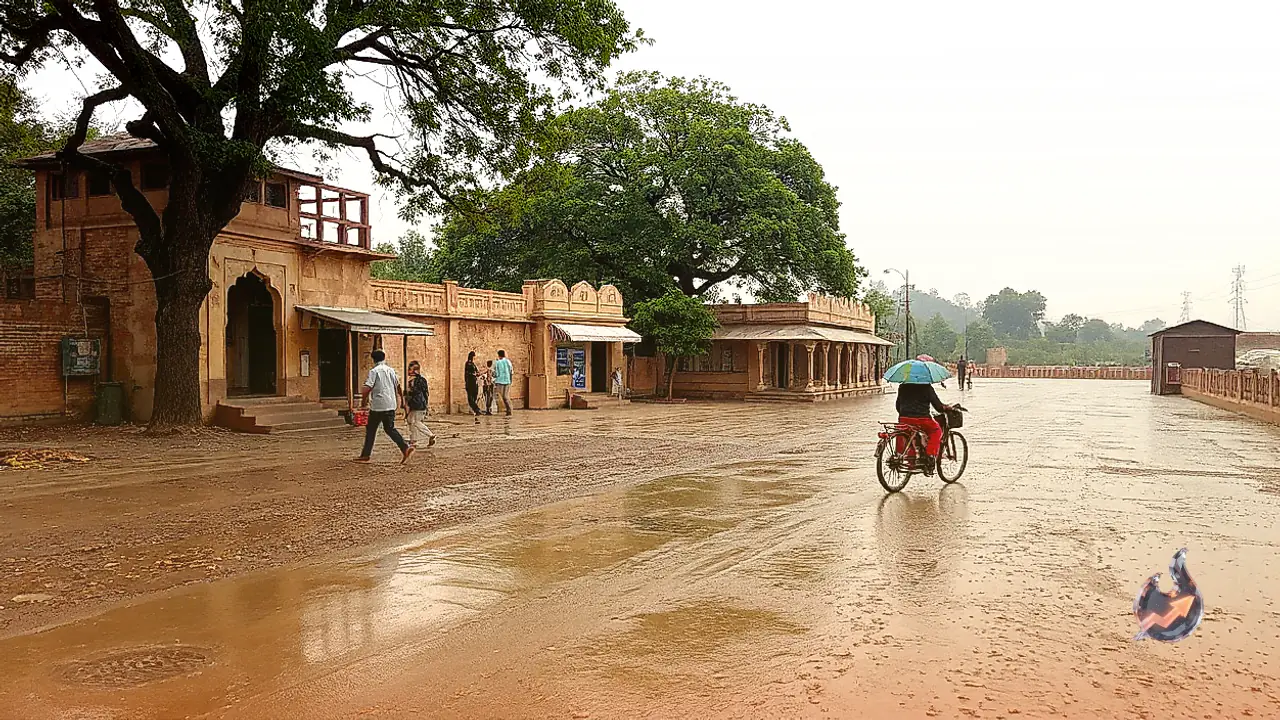
Located right in the center of the village, the historic structure named 'Rawla Jojawar' remains a magnificent symbol of royal splendour and traditional Rajasthani architecture. Once the ancestral seat of the Songara Chauhan rulers, this historic complex currently functions as a popular heritage boutique hotel. Recognized for its artistic layout, historic architecture, and classic royal hospitality, Rawla Jojawar has evolved into a key attraction for both domestic and international tourists. Travelers from across Rajasthan and abroad visit the property to experience authentic village life, enjoy traditional regional hospitality, and take in the natural beauty of the surrounding Aravalli valleys.
Religious Significance, Educational Hub, and Regional Transport Links
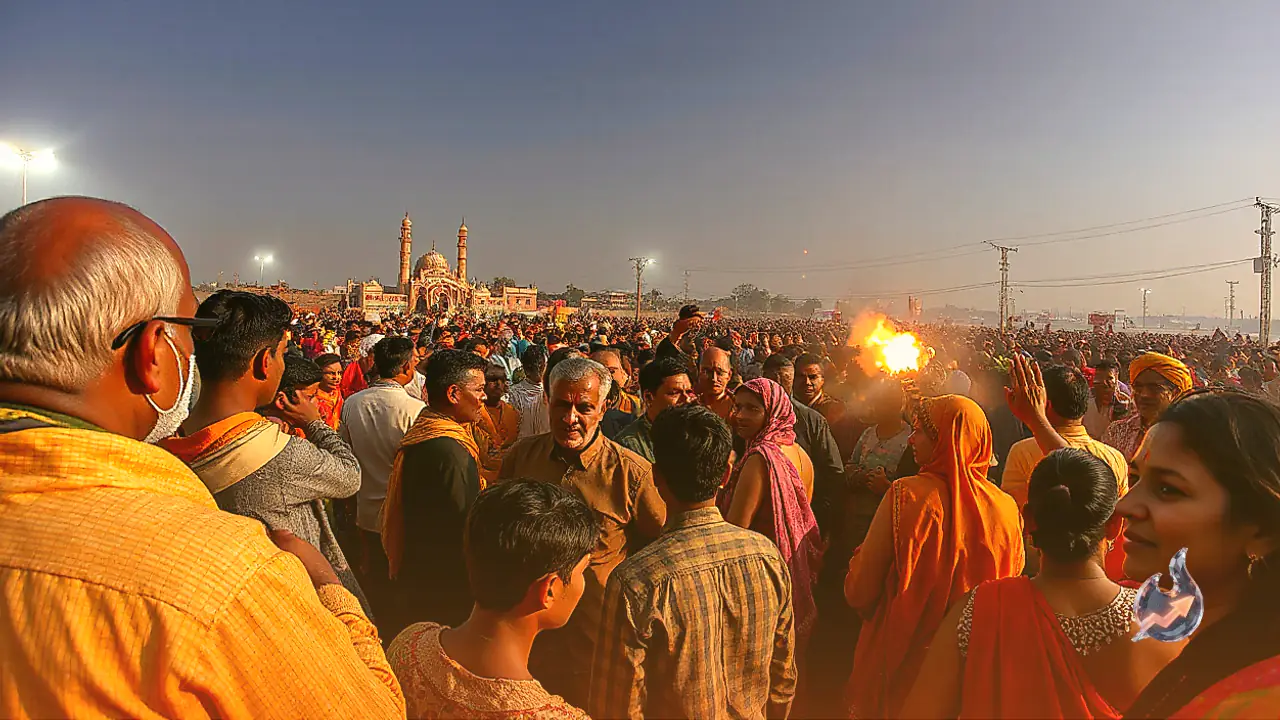
Along with its historical and cultural importance, Jojawar is considered a sacred religious destination that hosts colorful festivals and spiritual events throughout the year. On the educational front, the village has established itself as an important learning hub within Pali district. It houses the prominent 'PM-Shri Jawahar Navodaya Vidyalaya' (JNV Jojawar), an institute that plays a crucial role in educating and nurturing talented students from the region. In terms of transportation and access, Jojawar is well-connected to nearby transit networks. Its closest railway station is Phulad, located just 15 kilometers away, while the major regional rail junction of Marwar Junction is situated approximately 35 kilometers from the village. With its preserved ancient monuments, scenic surroundings, prominent schools, and living folk traditions, Jojawar proudly maintains its historical identity.