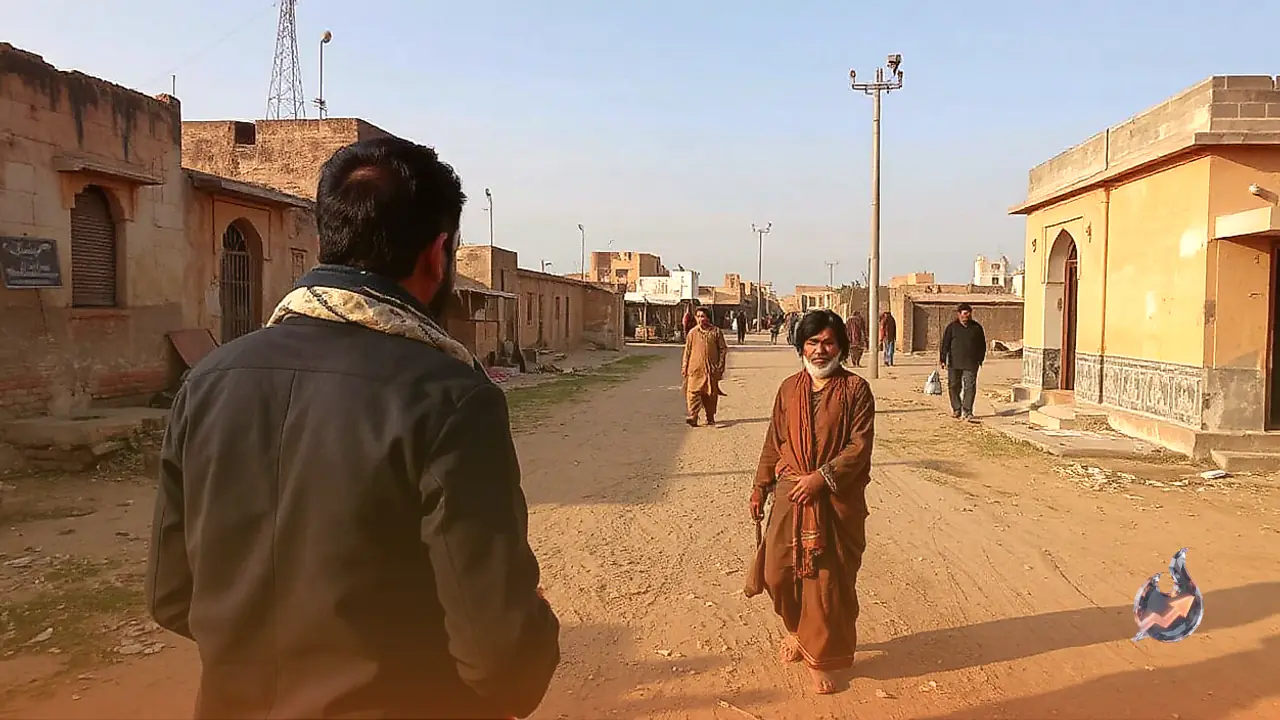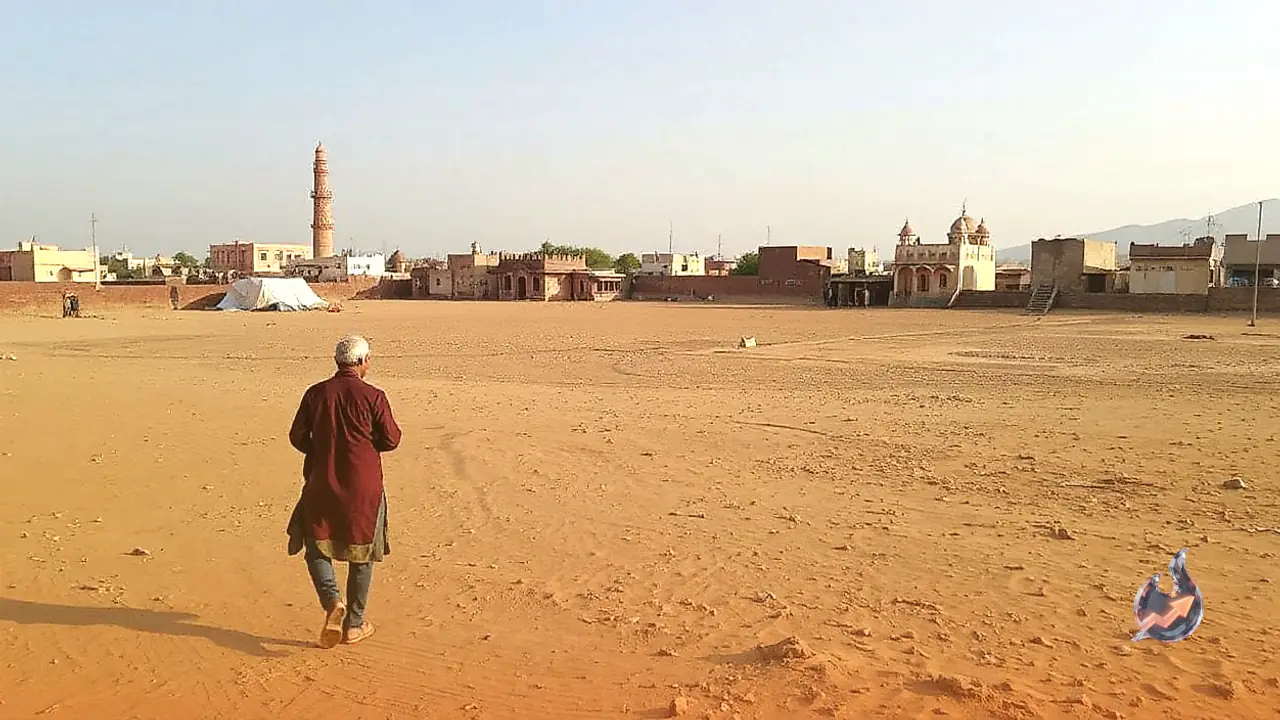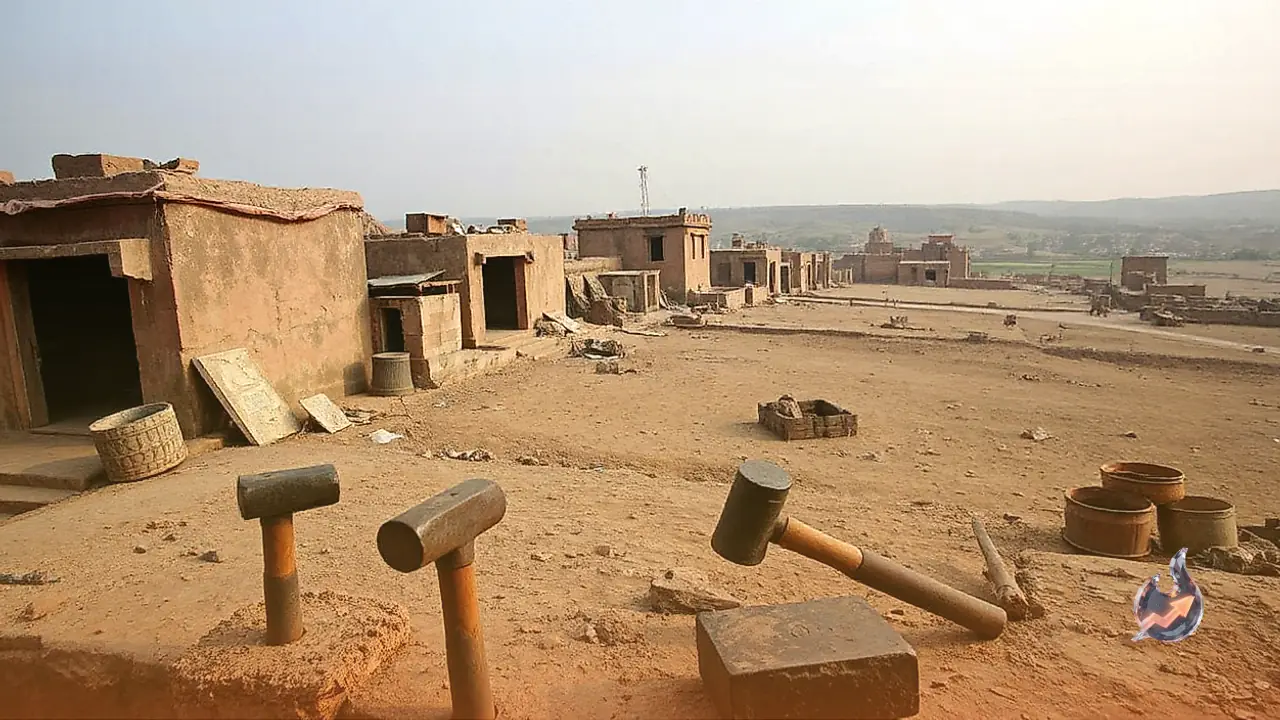

Located near Rampura in Kota, Thathera Gali continues to resonate daily with the steady clanging of hammers shaping brass, copper, and bronze. This historic lane remains a vital symbol of Hadoti's rich artisanal heritage, yet the number of skilled craftsmen keeping this ancient trade alive has dwindled rapidly over time.
A Family Legacy and Dwindling Numbers
Local craftsman Raghunandan explains that he represents the third generation working in this trade, with his children now stepping in to carry the mantle forward. According to him, while the lane once accommodated around 40 active artisans, that number has now dropped to just one or two individuals. Despite this stark decline, walking down the street still fills the air with the unmistakable sound of hammering from a distance. Raghunandan notes that this traditional craft has been passed down through generations, and the rhythmic sound of the hammer remains the defining identity of the neighborhood. Artisans here craft large vessels, plates, and various other copper and brass items alongside specialized temple artifacts, including traditional water vessels and lingams dedicated to Lord Shiva. Raghunandan himself continues the tradition of drinking water exclusively from copper and bronze vessels.
Traditional Repair and Polishing Methods
Beyond creating new pieces, Thathera Gali serves as a hub for repairing and polishing antique brass and bronze utensils. Artisans restore the shine of old metalware using traditional organic agents such as tamarind and herbal remedies. This ancestral trade is sustained entirely through their personal resources, deep-rooted experience, and unwavering dedication to their craft.
Commercial Significance and Public Appeal
Pankaj Bagri, division president of the Wholesale Trade Federation for the Hadoti region, points out that Rampura is one of Kota's oldest and largest commercial markets. Encompassing nearby trading hubs like Shastri Market and Ghantaghar, the area manages commerce across the entire Hadoti division, with Thathera Gali situated right in its midst. Bagri highlights that this craft is an ancestral gift now being tended to by fourth and fifth generations, though he expresses deep concern that such master craftsmen in Kota are now reduced to just a handful, with Raghunandan standing out as a notable figure. He has made a public appeal urging citizens to incorporate traditional brass, copper, and bronze utensils into their daily lives according to their means. He emphasizes that returning to these metals will promote better health while ensuring the survival of this endangered art form.