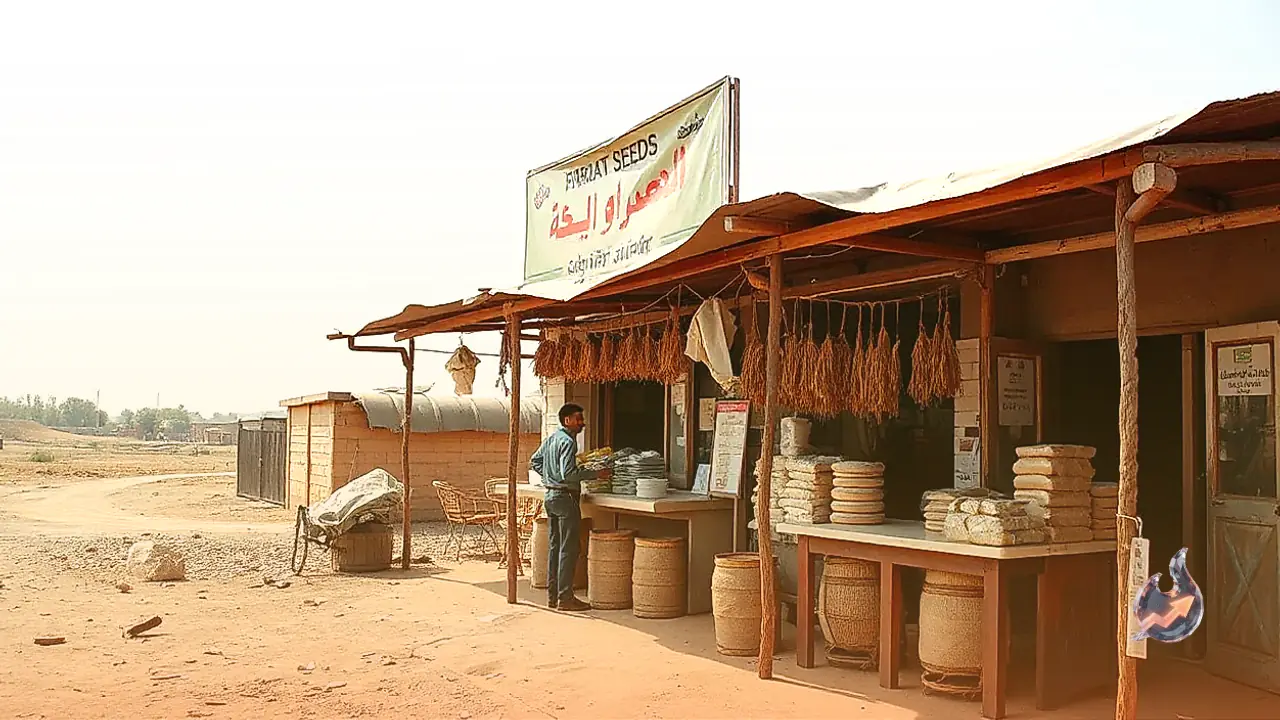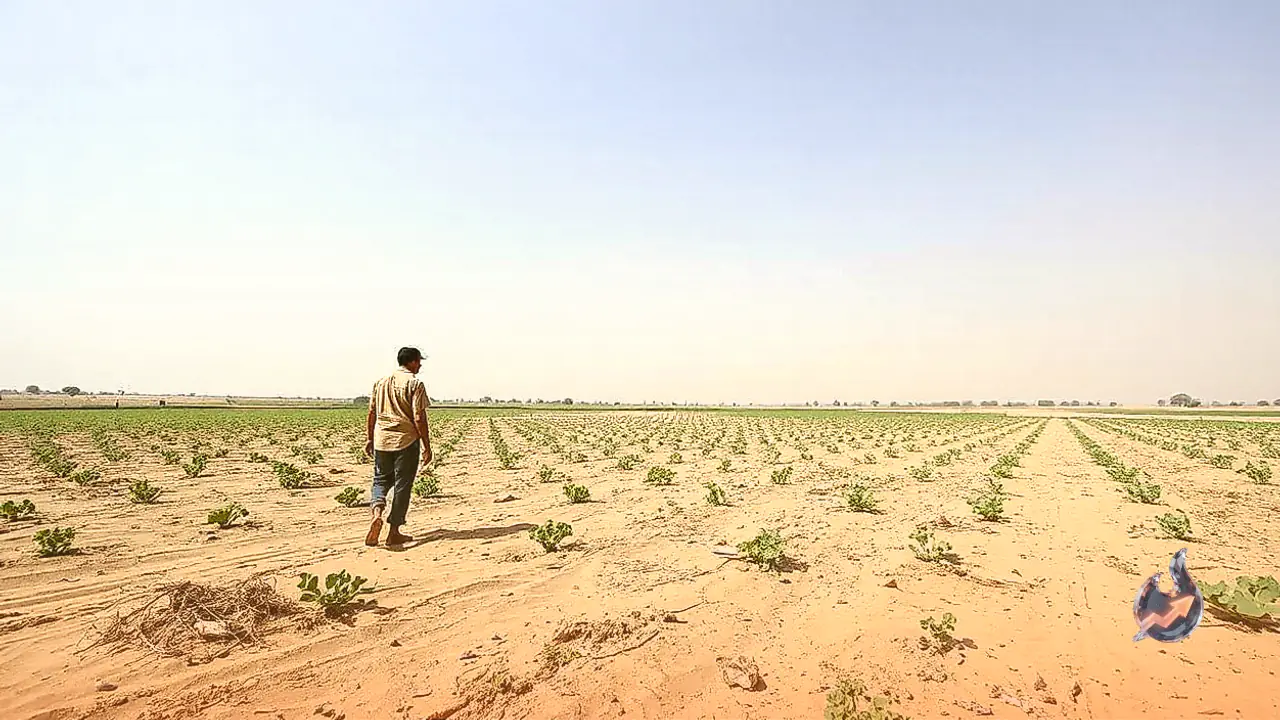

Farmers in Rajasthan's Nagaur district are shifting their focus during the rabi season from conventional crops toward medicinal alternatives. In this context, cultivating Ashwagandha can prove to be an excellent choice for local growers. Requiring minimal water, this medicinal crop yields roots that enjoy robust demand in the market. The arid climate and light sandy soil of Nagaur create favorable conditions for Ashwagandha production, opening new avenues for agricultural income. However, achieving success in this cultivation requires timely sowing, high-quality seeds, and appropriate moisture levels within the field.
Optimal Timing and Seasonal Considerations
The ideal window for sowing varies across different regions of Rajasthan depending on rainfall and irrigation availability. Generally, sowing takes place with the onset of the monsoon in June and July. Meanwhile, in arid western regions like Nagaur, planting can also extend from October through November once adequate moisture is received following the rains. In irrigated fields, sowing during September serves as a strong alternative. For those planning to sow in November, consulting local agricultural experts regarding the weather conditions and appropriate seed varieties is essential.
Favorable Soil Conditions in Nagaur
Light sandy loam soil with efficient drainage is regarded as the most suitable land for Ashwagandha cultivation. Such soil allows the roots of the plant to develop thoroughly. Water stagnation must be avoided in the fields, as excess moisture increases the risk of root rot and crop failure. To prepare the field, farmers should plow the land two to three times to achieve a fine, crumbly texture. Mixing well-decomposed farmyard manure into the soil prior to sowing also yields significant benefits.
Recommended Seed Varieties
Key varieties recommended for Ashwagandha farming include Jawahar Ashwagandha-20, Jawahar Ashwagandha-134, and Poshita. Additionally, Nagouri Ashwagandha remains popular at the local level. The Nagouri variety is particularly recognized for its starch-rich roots, although it has not been formally classified among officially released advanced varieties. Growers are advised to purchase good-quality seeds exclusively from certified sources.
Sowing Methods and Seed Requirements
For direct sowing of Ashwagandha, roughly 5 to 12 kilograms of seeds are typically required per hectare. Sowing in rows facilitates easier weeding, hoeing, and overall crop management. Seeds should not be planted at excessive depths. After covering them with a light layer of soil, light irrigation should be applied as needed.
Crop Maturity and Harvest Timeline
The Ashwagandha crop generally matures within 150 to 180 days. The roots of the plant are utilized in manufacturing various medicinal products. The crop is considered ready for harvest when the leaves turn yellow and dry up, and the fruits begin to acquire a red coloration. Following excavation, the roots are thoroughly cleaned and dried.
A Viable Low-Water Farming Alternative
Ashwagandha stands out as a resilient crop capable of thriving with minimal water, making excessive irrigation detrimental. Farmers must ensure proper drainage systems are maintained in their fields. Before initiating sowing, growers should consult the agriculture department or Krishi Vigyan Kendra to gather localized details on seed selection, optimal planting times, and market demand, thereby boosting their earning potential through medicinal agriculture.