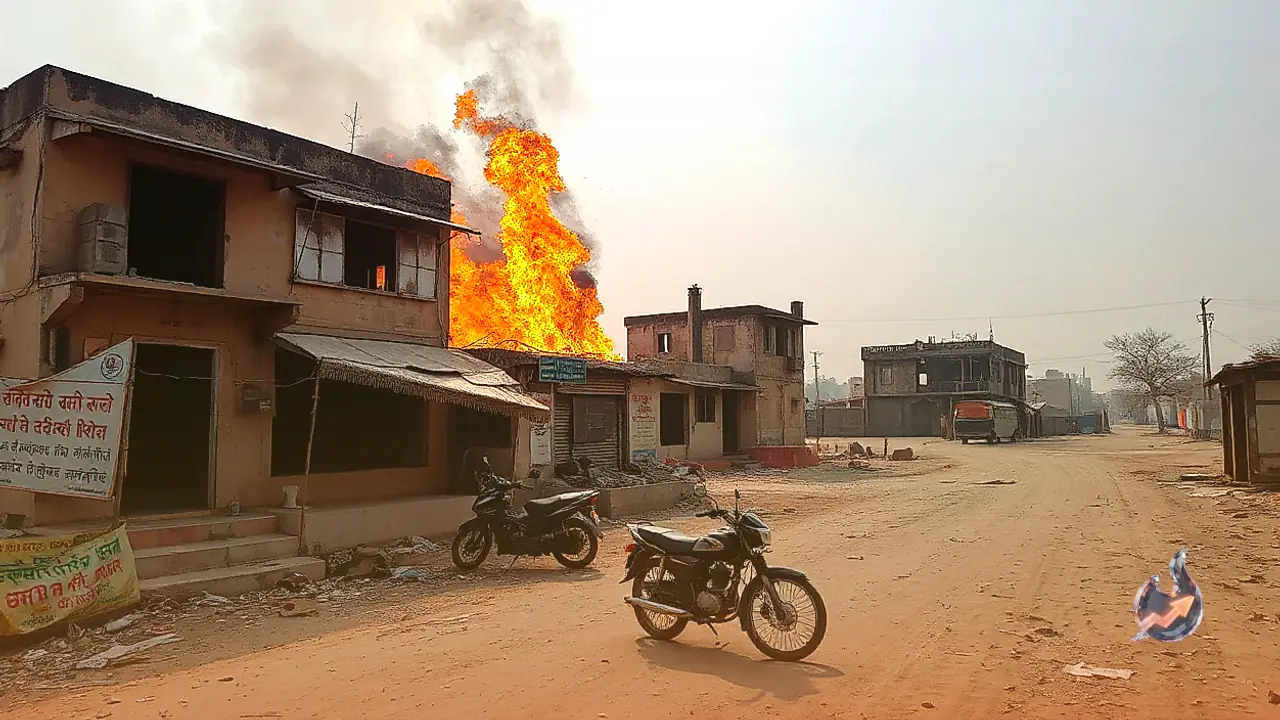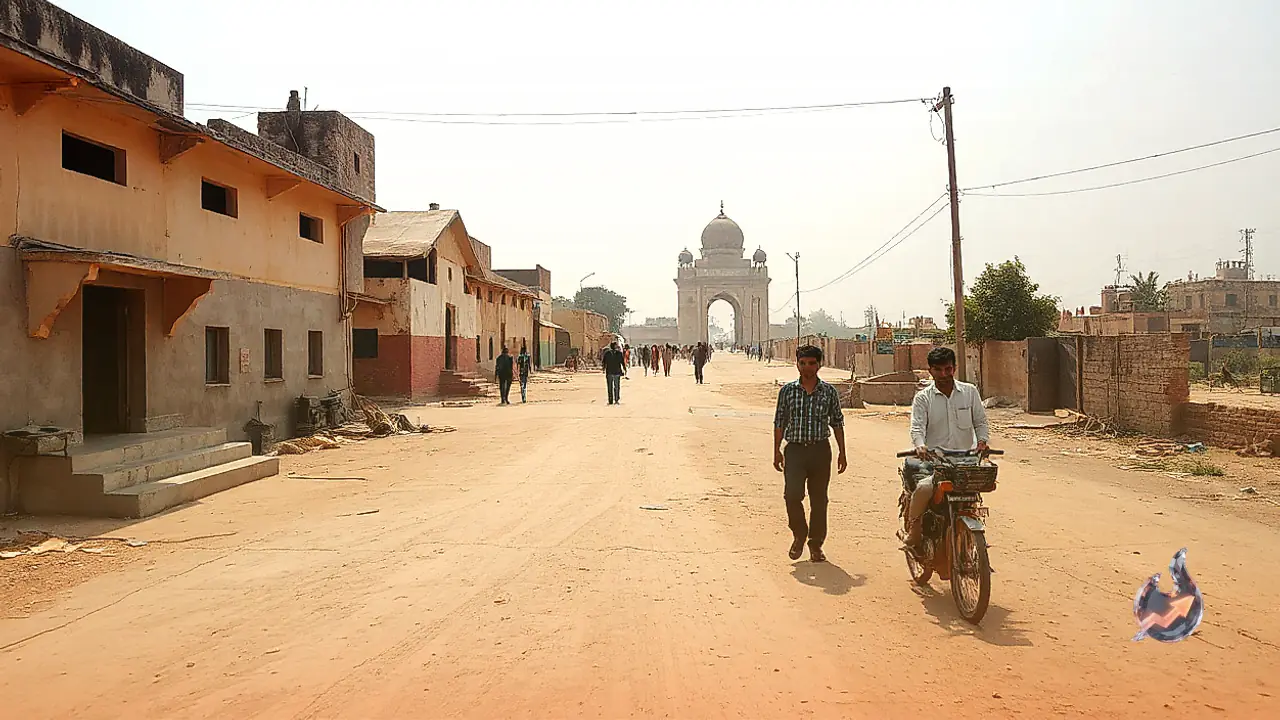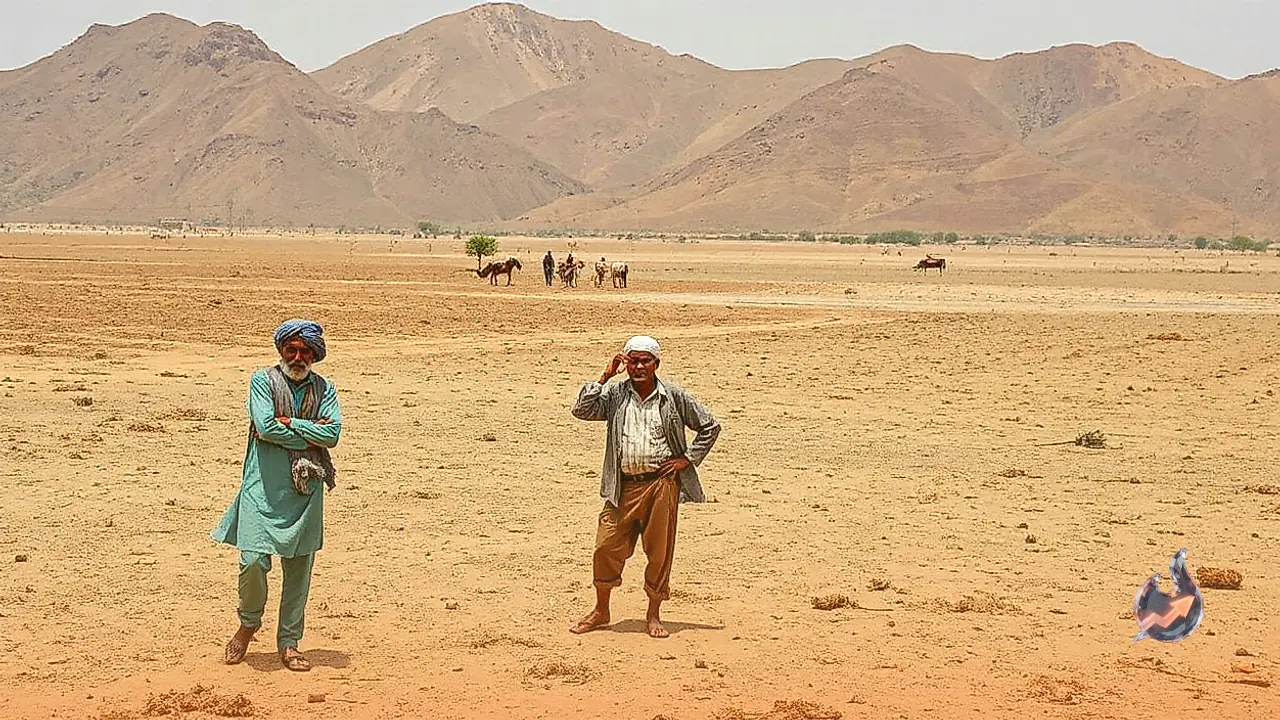

The border district of Sirohi in Rajasthan is grappling with severe agricultural distress after recording significantly lower rainfall than usual over the past several years. Water scarcity has severely impacted irrigation, fodder availability, and drinking water supplies across the region. Under government norms, areas receiving deficient rainfall are officially declared drought-hit. For the current season, only the Shivganj tehsil of Sirohi district has been given this designation, having recorded the lowest rainfall in the area. However, the reality remains that the entire district has received less than 50 percent of its normal average rainfall.
Discontent Over Limited Tehsil Inclusion
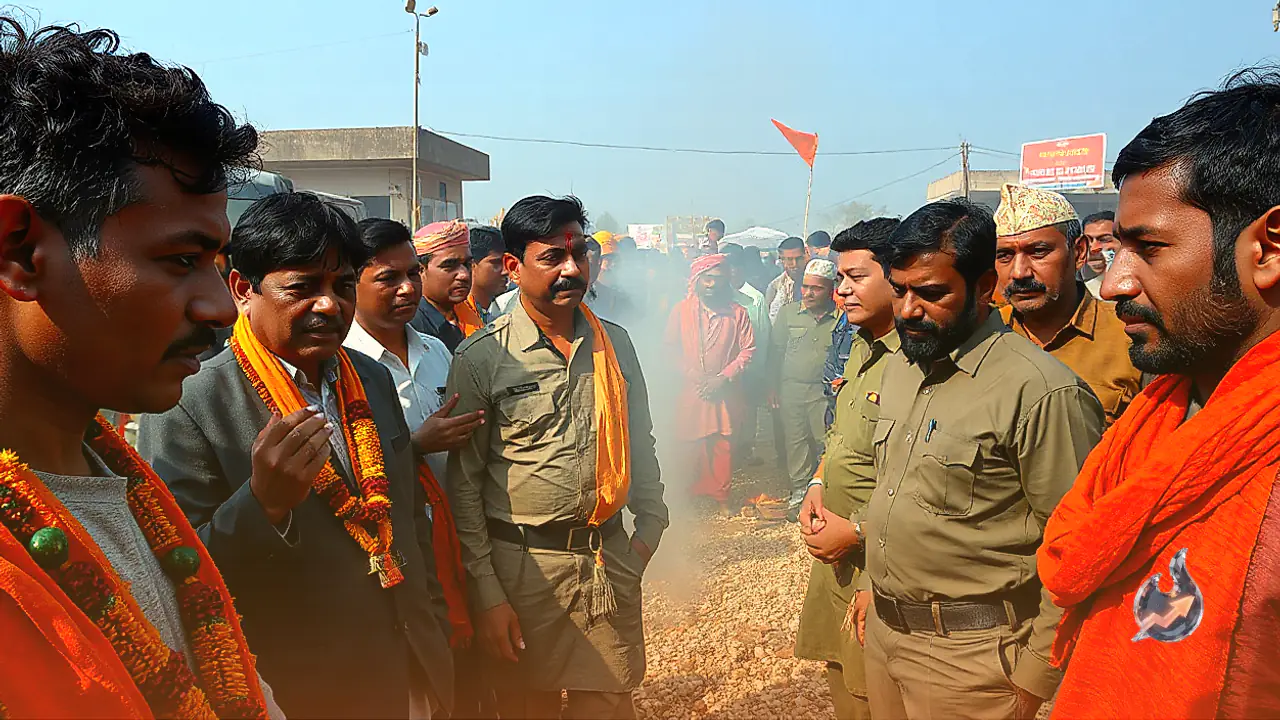
The state government has announced a drought relief package amounting to 9,321 crore rupees, covering 87 tehsils across 15 districts. The inclusion of just a single tehsil from Sirohi has triggered widespread resentment among local farmers and agricultural unions. Farmers argue that granting relief to merely one tehsil provides no meaningful support to the rest of the district, and a special package should encompass the entire region to be effective.
Widespread Water Scarcity and Dry Reservoirs
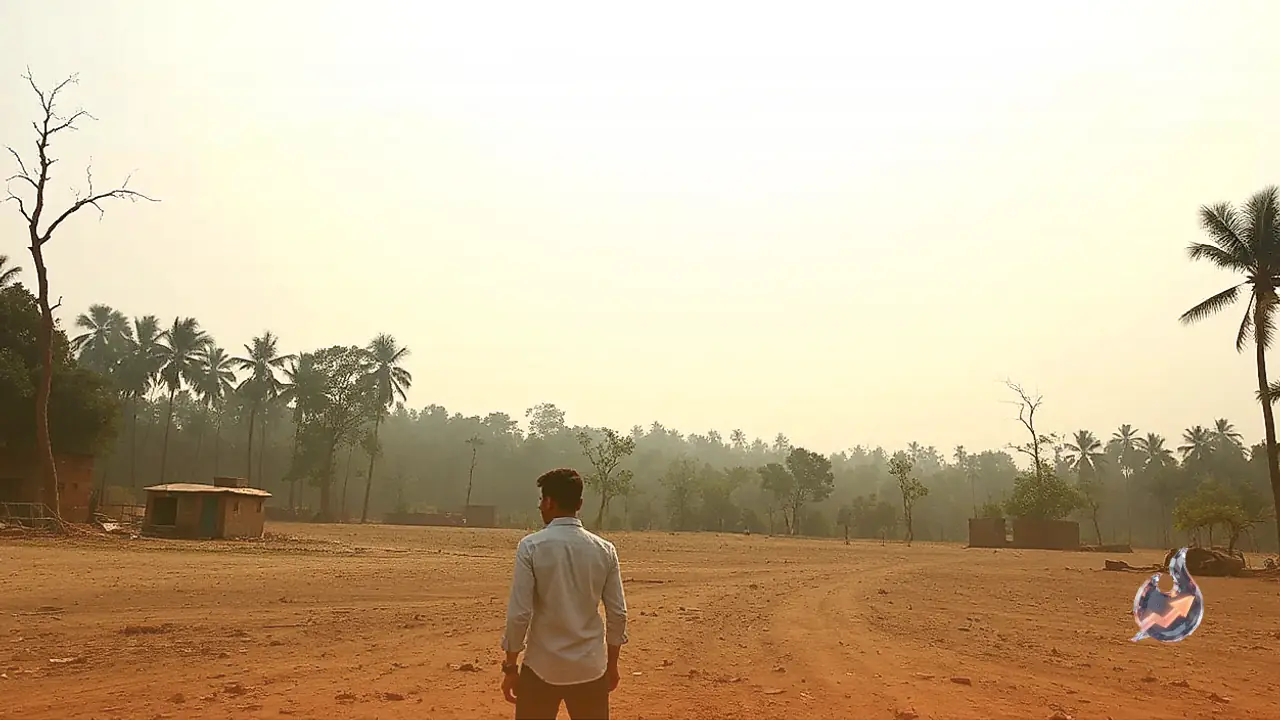
Mavaram Choudhary, District President of the Bharatiya Kisan Sangh in Sirohi, stated that the organization had persistently demanded the entire district be declared drought-hit, warning that partial measures would cause immense hardship. He noted that the discontent stemming from this situation has already reflected in local electoral outcomes. Due to the failure of monsoonal rains this year, dams, ponds, and rivers across the district are completely dry. The district's sole Banas Banas Dam holds very little water, raising serious concerns over drinking water availability for livestock. By September 2026, crops in the fields had withered completely, while groundwater tables plummeted due to the lack of recharge, leaving farmers without irrigation water.
Reviewing the rainfall metrics, the district was expected to receive an average of 769.61 mm of rainfall by September 30, but only 489.31 mm was actually recorded. The situation is most alarming in the Shivganj block, where against an average of 720.9 mm, a mere 82 mm of rainfall was registered, representing just 11.37 percent of normal precipitation. Similarly, Reodar recorded only 353 mm against an average of 819 mm, while Sirohi received just 271 mm against an expected 841 mm.
Demand for Comprehensive Relief Measures
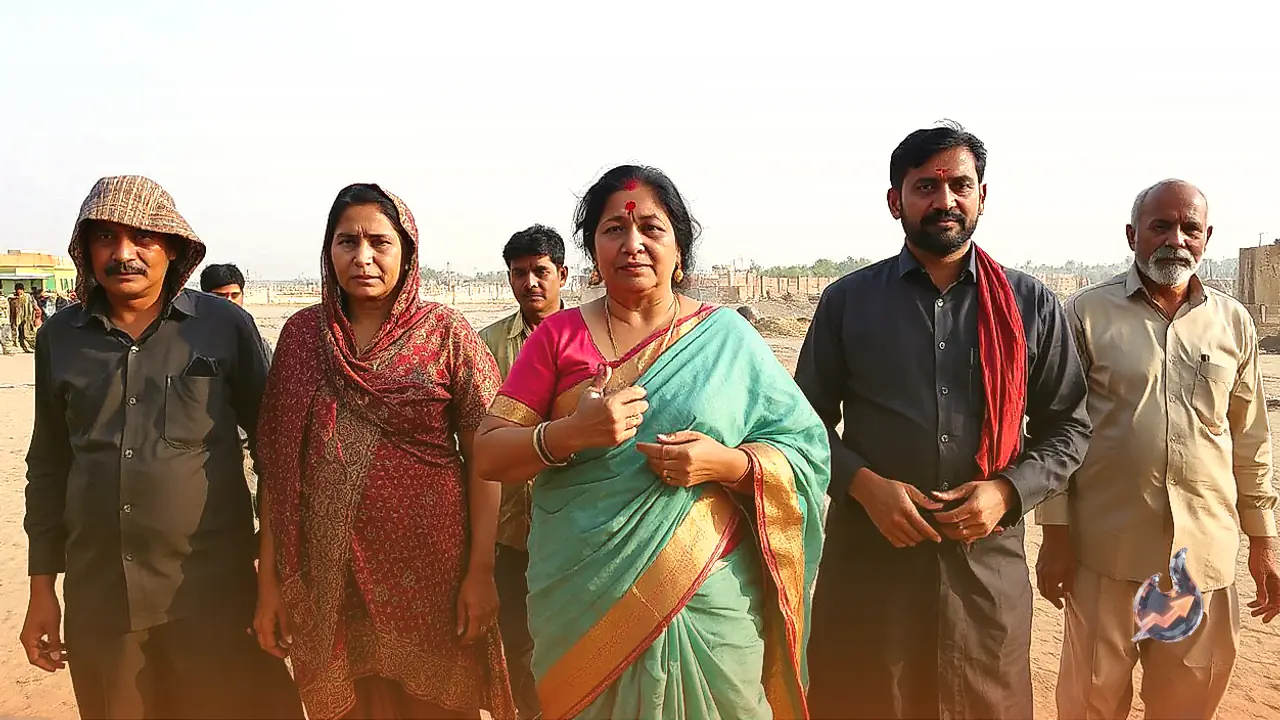
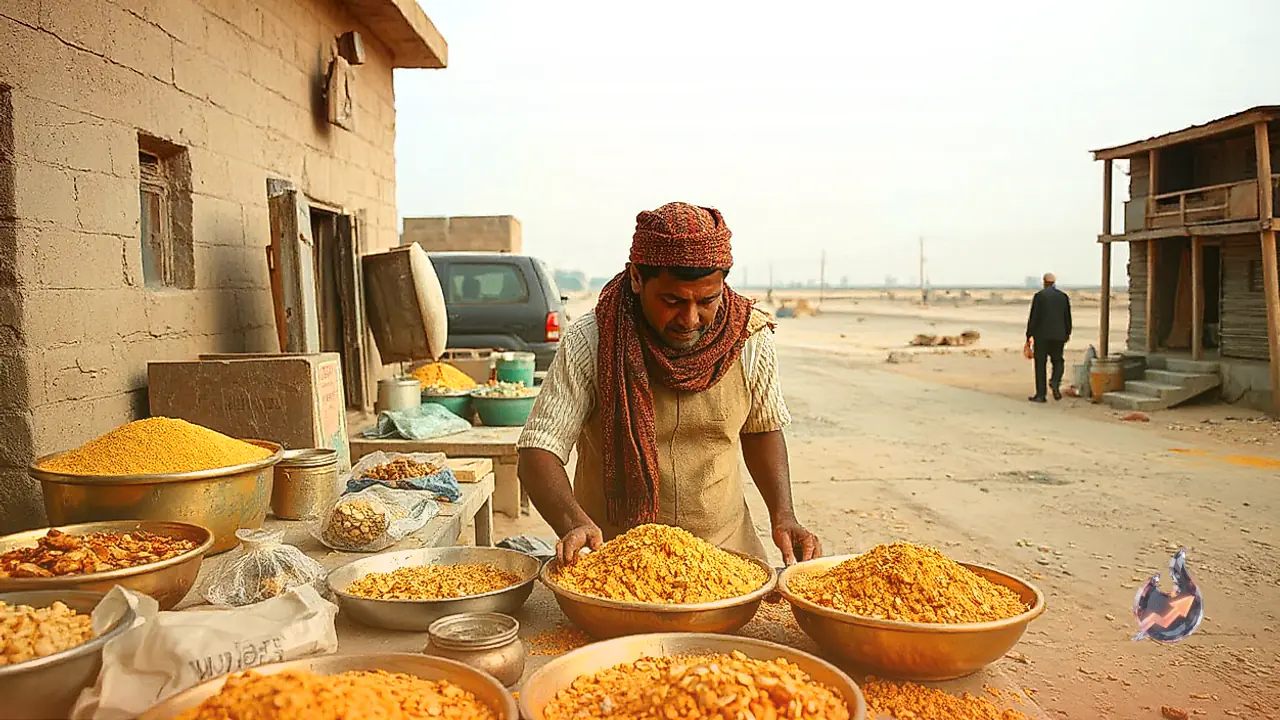
Manoharsingh Rao, a farmer and former sarpanch from Karoli, explained that inadequate rainfall has cut off crucial irrigation supplies for farmers who predominantly rely on canal water and traditional sources for cultivation. With most reservoirs lying empty and groundwater failing to recharge, the agricultural community faces an uphill battle in the coming months. Farmers are urging authorities to establish fodder depots for livestock and ensure adequate drinking water provisions, emphasizing that declaring the entire district drought-affected is vital to protecting local livelihoods, crops, and rural stability.