
Farmers in Haminpur village, located within the Pilani assembly constituency of Jhunjhunu district, have adopted an innovative method to combat severe water scarcity. Understanding the precious value of every single drop of water, these farmers have transformed their fields into makeshift water banks. With the local groundwater table plunging down to alarming depths between 1200 and 1500 feet, continuing agricultural activities had become an uphill battle. Refusing to surrender to these harsh environmental conditions, the local farming community has taken matters into their own hands, initiating a remarkable water conservation drive that is drawing widespread attention.
Constructing Massive Reservoirs in Fields
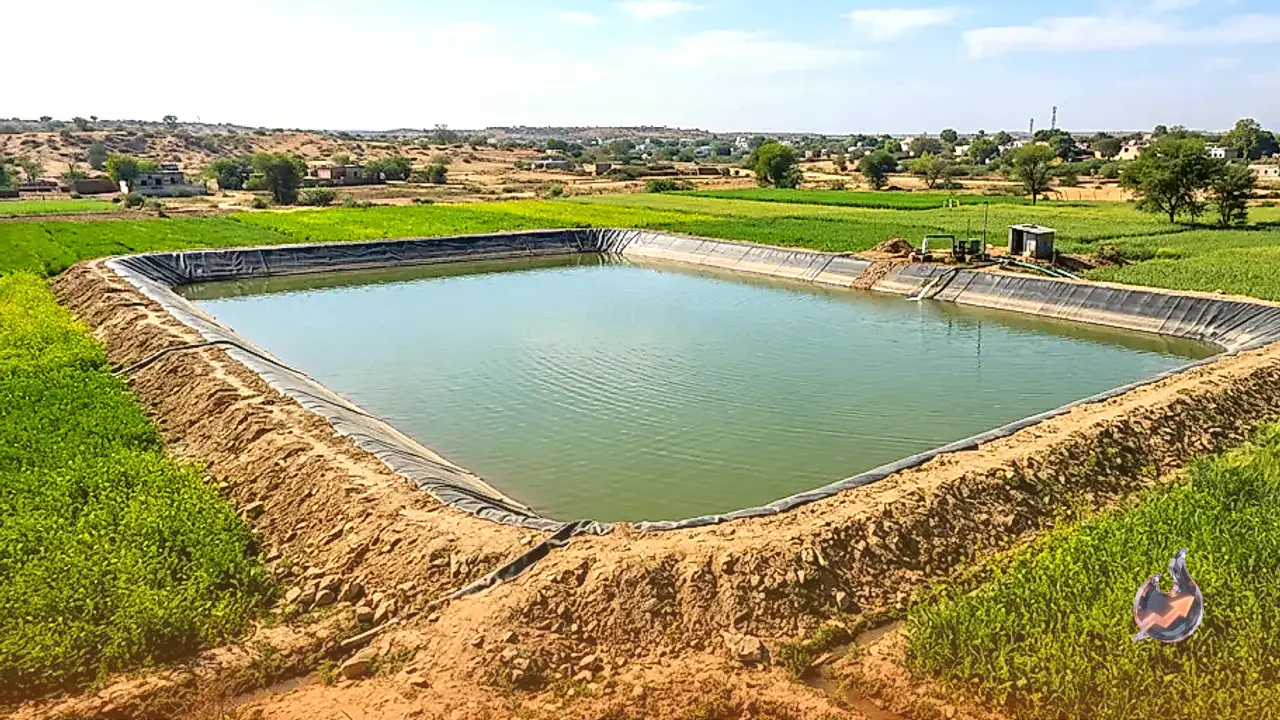
Faced with mounting irrigation challenges, the villagers have commissioned the construction of large reservoirs directly in their fields, measuring roughly 90 by 90 feet wide and about 20 feet deep. Depending on individual capacity, farmers have built either one or two such storage basins. Water pumped from tube wells is steadily and continuously channelled into these reservoirs over extended periods. Once a sufficient volume of water is accumulated, it is pumped out to irrigate the crops as needed. Operating tube wells directly for continuous irrigation is no longer feasible because depleted groundwater yields very limited water for short daily durations. Building each such reservoir requires a financial investment ranging from one and a half to nearly two lakh rupees.
A Growing Collective Effort Across the Village
This proactive approach by the farmers of Haminpur has rapidly evolved into a widespread collective movement. Over the past year and a half to two years, roughly two dozen such storage tanks have been successfully constructed across the locality. Today, these water reservoirs are visible in almost every alternate field in the village. The solidarity and resilience shown by these cultivators to preserve their traditional livelihood and farming practices is truly commendable. While these makeshift water banks cannot completely erase the underlying scarcity, they provide a vital lifeline that allows farming operations to limp forward through difficult seasons.
Harvesting Rainwater from Rooftops
The water conservation mindset in Haminpur extends far beyond the boundaries of agricultural fields, as villagers are also actively harvesting rainwater from their rooftops. Prior to the arrival of the monsoon season, residents meticulously clean their roofs to ensure the collected water remains clean and free of debris. Specially installed pipeline networks then direct the runoff from the rooftops into domestic storage tanks or underground systems. Because the groundwater from many tube wells in the Pilani region is entirely unfit for drinking, this harvested rainwater serves as an invaluable resource for daily household consumption. Villagers have established these domestic conservation systems entirely through their own initiative and resources.
Persistent Challenges and Shifting Crop Choices
Local farmers including Sukhbir Singh, Advocate Naresh Kumar, Rajkumar, and Mohar Singh explain that the relentless drop in the water table means local tube wells can barely run for two to two and a half hours out of a 24-hour cycle. Operating even two or three sprinkler nozzles from a single tube well has become an extreme struggle. Consequently, farmers are forced to store water in advance before they can even contemplate irrigating their lands. Even with these reservoirs in place, the water deficit is far from fully resolved. Quite often, even after filling a storage tank, the volume is insufficient to support water-intensive crops like wheat and mustard. As a result, many cultivators are choosing to prioritize fodder crops that require significantly less moisture.
A Powerful Message for Water Conservation
The large reservoirs dotting the landscape of Haminpur are much more than mere water storage structures; they stand as a glowing testament to rural ingenuity and heightened environmental awareness in the face of shifting climatic realities. Operating entirely through self-funded resources, these farmers are demonstrating how vital it is to appreciate and conserve every drop of water. This grassroots effort to harvest rain from rooftops to fields offers a replicable model for rural communities everywhere. If rainwater harvesting, groundwater recharging, and collective conservation practices are actively promoted on a broader scale, meaningful steps can be taken to secure adequate water resources for future generations.