





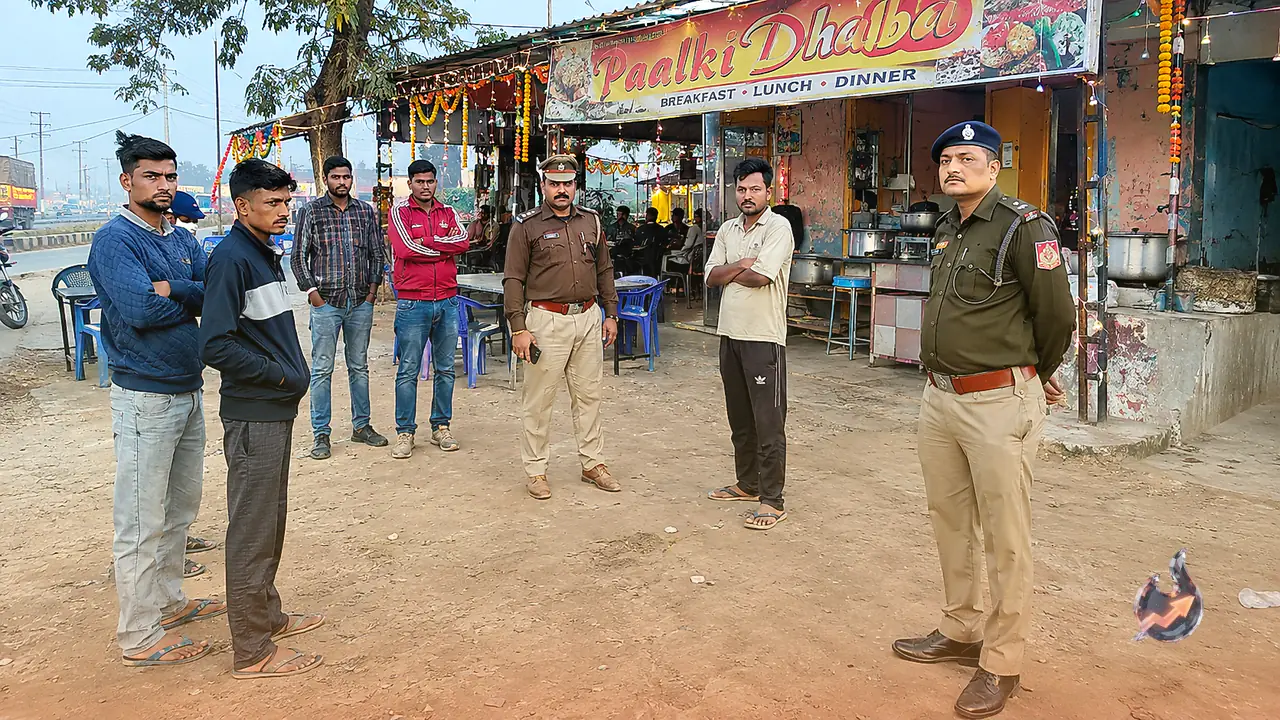














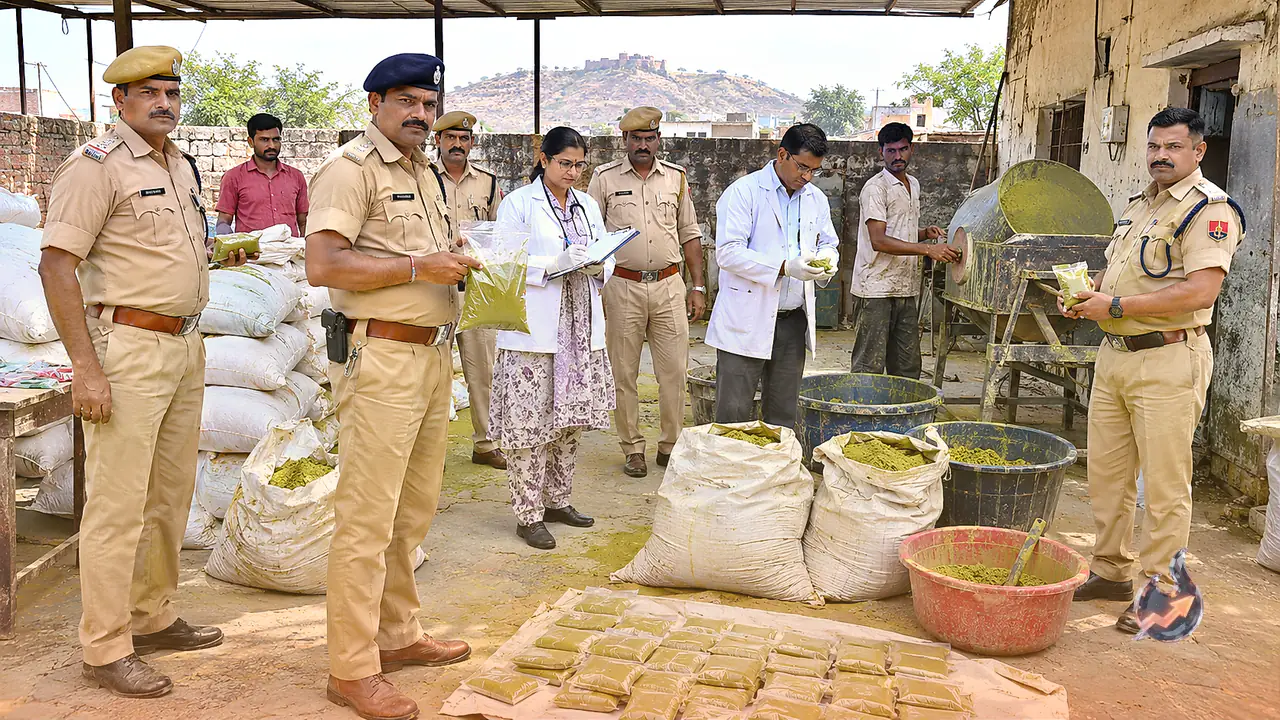

Police in Sojat, located in Rajasthan's Pali district, have raided an illegal manufacturing unit producing counterfeit henna products under established brand labels. The enforcement action comes amid the peak wedding season when demand for Sojat's renowned natural henna reaches its high point. Authorities seized substantial quantities of raw materials and branded packaging materials from the facility situated behind the local airstrip. The revelation has prompted safety warnings for consumers seeking authentic Sojat henna, as large stocks were being prepared for domestic and global distribution.
Police Raid In Pali And The Legacy Of Sojat Henna
Following specific investigative leads, law enforcement officers conducted a targeted raid on an unapproved production center behind the airstrip in Sojat, Pali. The search operation was executed based on information provided by accused Vikram Singh Ranawat. During the inspection, police recovered fake packaging carrying the 'Tiktok' brand label, more than 15,000 cone boxes, and massive reserves of unrefined chemical raw materials. The suspect was reportedly planning to package these synthetic mixtures into branded containers for sale across domestic markets and international destinations.
Sojat holds a distinguished reputation as India's premier henna hub, often referred to as 'Mehendi Nagari'. Situated in Pali district, the region's specific soil composition and semi-arid climate create ideal growing conditions for henna plants. The leaves harvested here possess exceptionally high levels of natural Lawson, the dye compound responsible for henna's staining properties. This natural richness produces a deep, rich, long-lasting red stain on the skin. Recognizing its distinct origin and superior quality, Sojat henna has been awarded a prestigious Geographical Indication (GI Tag), driving immense consumer demand both within India and across foreign markets.
Practical Guidelines To Differentiate Authentic And Chemical Henna
With adulterated products circulating in commercial markets, buyers must take precautions to distinguish genuine botanical henna from chemical substitutes. Experts recommend checking four key characteristics before application
Fragrance Characteristics: Authentic botanical henna carries a distinct, mild earthy aroma reminiscent of damp soil. In contrast, counterfeit or chemically enhanced cones emit strong synthetic perfumes, harsh aromatic additives, or dye-like chemical odors.
Stain Progression: Pure henna paste does not yield an instant dark black color upon contact with the skin. The original paste appears green and gradually transitions to a warm brown, rich dark red, or deep maroon shade after removal. If a cone produces an immediate black stain within minutes, it strongly indicates the addition of hazardous synthetic compounds such as Para-phenylenediamine (PPD).
Powder Texture and Tone: Pure dried henna leaf powder is finely milled and exhibits a muted natural green shade. If the powder displays an unnaturally vibrant bright green, dark grey, or black tint, it points to artificial colorants and chemical fillers.
Dermal Sensation: Applying natural henna paste induces a gentle, soothing cooling sensation on the skin. Conversely, chemical-laden formulations quickly cause localized burning, severe itching, tingling, or skin irritation upon contact.
Health Risks Associated With Chemical Henna Applications
Utilizing adulterated henna poses serious health hazards that extend far beyond a disappointing stain color. The synthetic additives can cause acute physical harm
Severe Skin Allergies: Harmful industrial dyes and synthetic chemicals provoke severe allergic reactions on delicate epidermal tissue. Users may experience extensive skin rashes, intense itching, redness, and severe swelling across applied areas.
Chemical Skin Burns: Toxic acidic elements in fake henna mixtures can cause severe chemical burns. These compounds can strip top skin layers and lead to painful blister formations and superficial skin erosion.
Chronic Dermatitis and Eczema: Repeated exposure to harsh chemical formulations can trigger contact dermatitis or persistent chronic eczema. Recovering from these skin conditions often requires prolonged dermatological treatment.
Respiratory Complications: Volatile chemical compounds utilized in substandard henna preparations release airborne vapors. Inhaling these fumes can aggravate existing respiratory conditions like asthma or provoke acute breathing discomfort.