















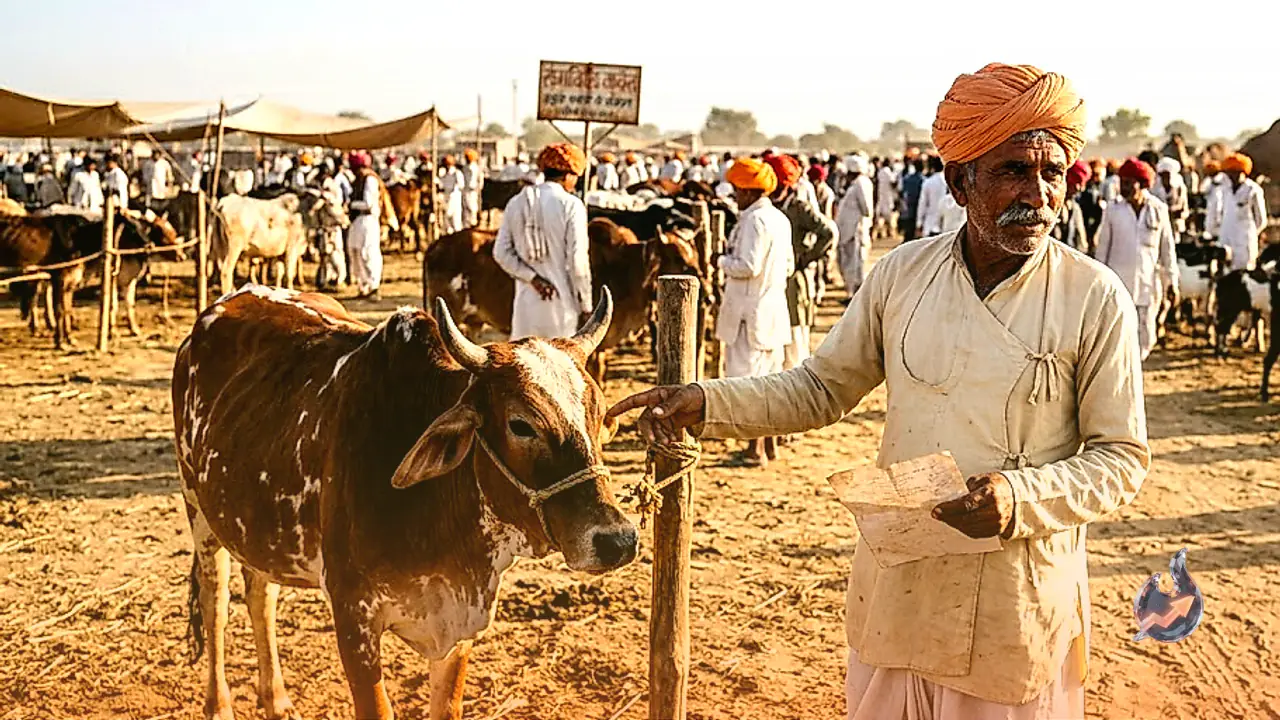

Shekhawati's prominent agricultural gathering is poised to return as local administrative authorities officially granted permission for the annual Beri livestock fair. The green light comes after organizers resolved prior reservations surrounding the event, which had previously been suspended under preventive curbs associated with lumpy skin disease. Clarifying the refreshed blueprint for this edition, fair committee representative Bajrang Singh Chauhan confirmed that the gathering will be conducted across two staggered stages. The inaugural round will commence on September 27 and conclude on October 5, whereas the subsequent session is set to welcome participants from October 27 through November 5.
A Staggered Calendar Expanding Beyond Past Duration
The decision to bifurcate proceedings into two separate intervals marks a practical change designed to accommodate pastoralists from disparate zones. During the preceding year, the entire fair concluded in just 6 days, whereas the latest schedule introduces a substantially wider operating window. This extended timetable provides pastoralists and commercial buyers adequate leeway to schedule transport without congesting the grounds. Organizers anticipate that dividing the schedule will maximize convenience for rearers who might miss early auctions, allowing them an alternative window between October 27 and November 5 to present their stock.
Horses and Camels Center Stage Along with Breed Appraisals
Distinctive breeds of camels and mares remain the primary visual and commercial highlight at Beri. Prospected buyers and general visitors regularly gather in large numbers to observe animals distinguished by superior frame, stamina, and lineage. Transactional discussions at the venue routinely delve into practical utility, bloodline traits, and physical conditioning rather than focusing exclusively on spot prices. Adding to the commercial buzz, competitive livestock showcases organized at the arena draw audiences from neighboring districts, celebrating indigenous animal husbandry and helping diligent breeders secure remunerative deals from experienced brokers.
Knowledge Exchange and Rural Networking Hub
Beyond buying and selling livestock, the Beri fair functions as an open assembly for informal agrarian networking. Herders and village breeders arriving from scattered hamlets use these shared grounds to exchange hard-earned insights regarding disease prevention, specialized dietary routines, and pedigree maintenance. For regional farmers, cultivating relationships with reliable traders during the fair often translates into long-term commercial contacts that persist well after tents are packed away. In an agrarian economy dependent on domestic livestock stability, such peer-to-peer dialogues preserve practical knowledge systems across generations.
Preserving Age-Old Market Heritage Amid Modernization
Livestock gatherings constitute a historic pillar of rural life throughout Rajasthan, formerly serving as the principal nodes of district trade and pastoral exchange. While contemporary logistics, motorized transport, and modern wholesale frameworks have transformed agricultural commerce, the traditional open-ground fair retains its cultural draw. The Beri assembly embodies this enduring lineage, maintaining a setting where livestock evaluation remains personal and thorough. With formal administrative clearance now secured, farming communities and animal traders are preparing to converge on the grounds, revitalizing local commerce through both designated sessions.