



















Political friction inside Pakistan has pushed the federal capital into high security alert as administrative authorities prepare for large protest rallies. The country faces multiple complications, caught in diplomatic gridlock over the Makkah Pact while facing retaliation risks from the Taliban following airstrikes in Afghanistan. Alongside these external pressures, internal governance faces severe instability as Pakistan Tehreek-e-Insaf, known as PTI, readies a major march toward Islamabad scheduled for September 27. The confrontation intensified sharply after Junaid Akbar, the party's Khyber Pakhtunkhwa provincial president, issued a combative warning directed at the current administration.
Defiant Address Before Party Cadres in Peshawar
While speaking to an assembly of supporters in Peshawar, Junaid Akbar adopted an uncompromising tone regarding their upcoming movement. During his remarks, he made the controversial declaration, claiming they would turn Islamabad into Somnath. He further told the crowd that the leadership is fully aware that authorities might open fire on participants during the march. However, he warned that PTI workers would not merely return home carrying bodies on this occasion.
Detailing their logistical approach, Akbar maintained that marchers are planning to enter the capital from various distinct routes rather than relying on a single corridor. He insisted that should vehicular transport be restricted or choked off by law enforcement, party supporters are prepared to continue their journey on foot to reach their destination.
Government Response and Judicial Rulings
The remarks drew sharp condemnation from cabinet officials who signaled zero tolerance for disorderly conduct. Minister of State for Interior Talal Chaudhry categorized the remarks as direct incitement to violence. Chaudhry stated that while peaceful gathering remains permitted, the state will strictly penalize any disruptive actions that compromise law and order or endanger citizen safety. Heavy administrative curbs were promptly instituted to manage incoming protest convoys.
Information Minister Attaullah Tarar emphasized that administrative bodies, city police forces, and the Ministry of Interior hold absolute consensus regarding potential lawbreakers. Tarar asserted that no political contingent intending to disrupt civil peace will be allowed entry into Islamabad. In defending these measures, he cited a binding ruling by the Islamabad High Court that explicitly forbids political organizations from blockading public roads and choking ordinary civilian traffic.
Shipping Containers and Heavy Security Deployment
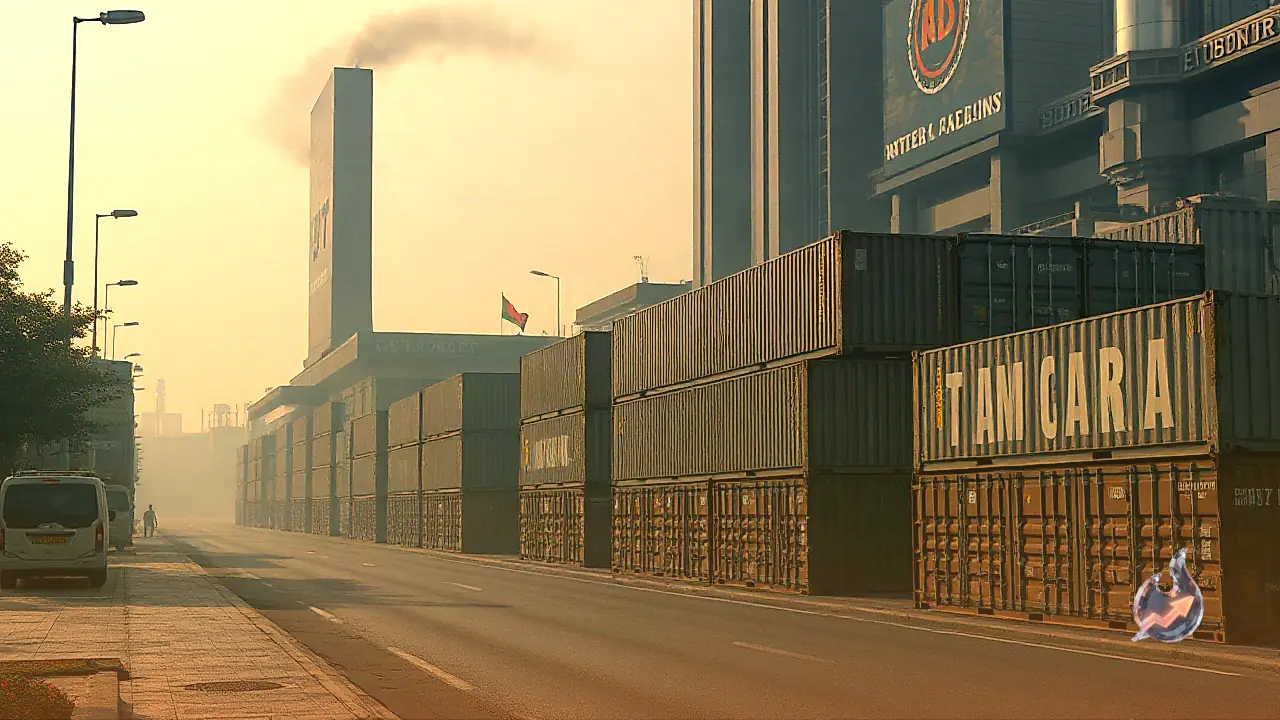
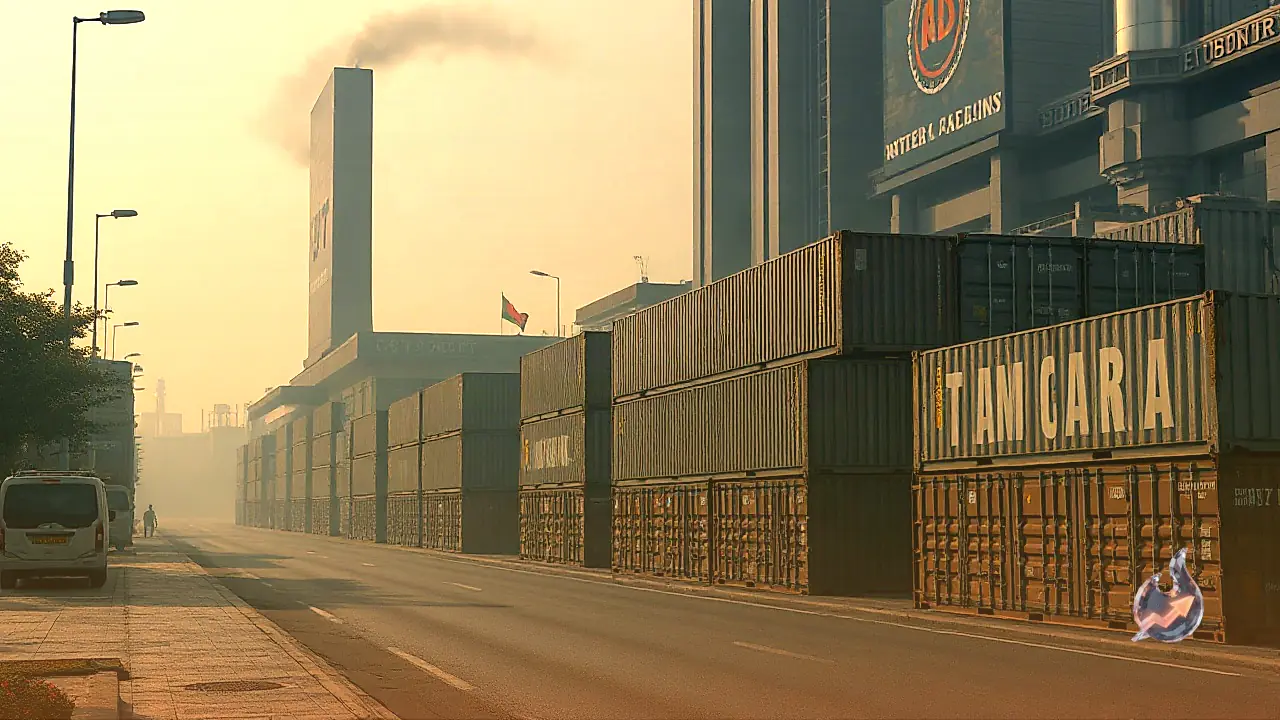
Anticipating the planned nationwide demonstration on September 27, extensive security blockades transformed Islamabad and its twin city of Rawalpindi into heavily fortified zones. Law enforcement agencies placed roughly 1,000 cargo containers across critical choke points to deny access to approaching convoys. Heavy fortification now covers vital junctions such as the Red Zone, Faizabad, and Zero Point.
Substantial contingents of local police and paramilitary forces have taken positions across key intersections. Major thoroughfares connecting Faizabad to Murree Road remain heavily barricaded with freight boxes. In several locations, personnel reinforced these metal barricades by packing sandbags and earthen mounds behind them to prevent breaching. These defensive steps occur against the backdrop of multiple concurrent mobilizations, as the administration prepares for a long march by Jamaat-e-Islami alongside separate planned demonstrations by PTI, the Kissan Ittehad, and Kashmiri groups.