




















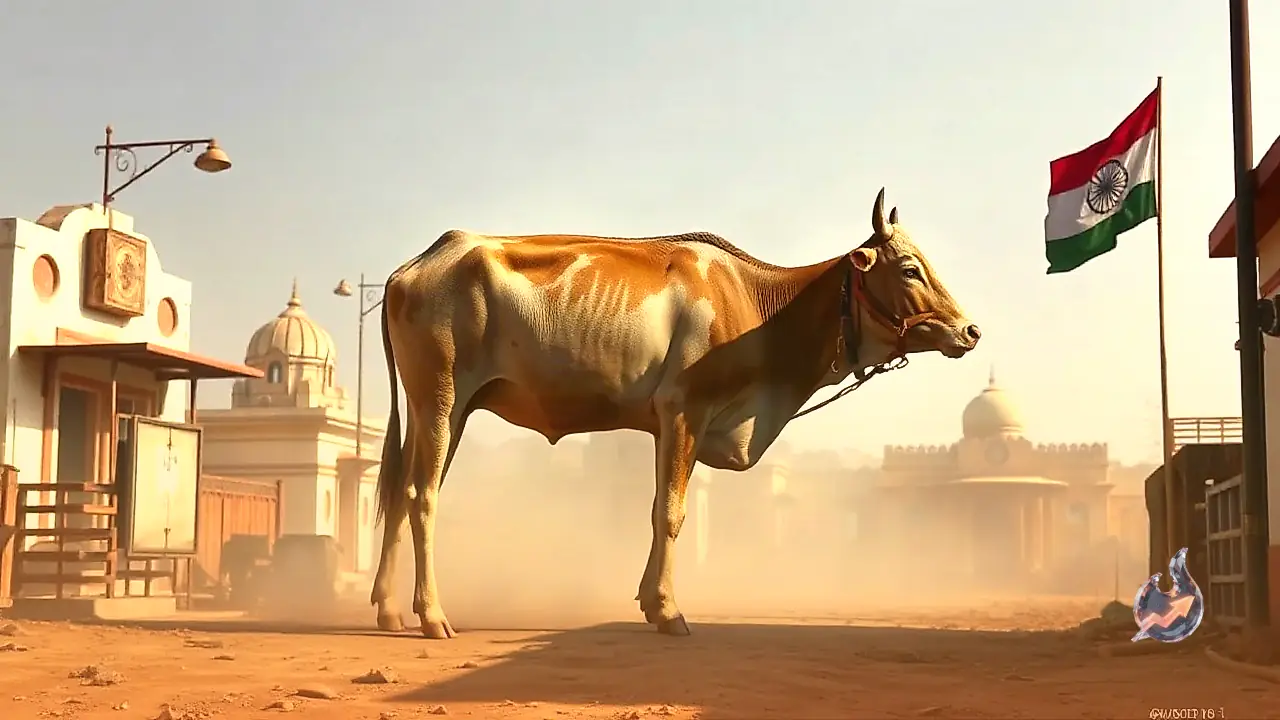

The Rajasthan Animal Husbandry Department has introduced strict measures across the state to control the spread of Lumpy Skin Disease among cattle. To disrupt the chain of transmission, authorities have restricted both inter-district and inter-state movement of livestock. In addition, all small and large animal fairs as well as weekly livestock markets across the state have been temporarily banned. The primary objective behind these curbs is to minimize the movement of animals from one location to another, thereby reducing the risk of viral spread.
Shekhawati Livestock Fairs Cancelled
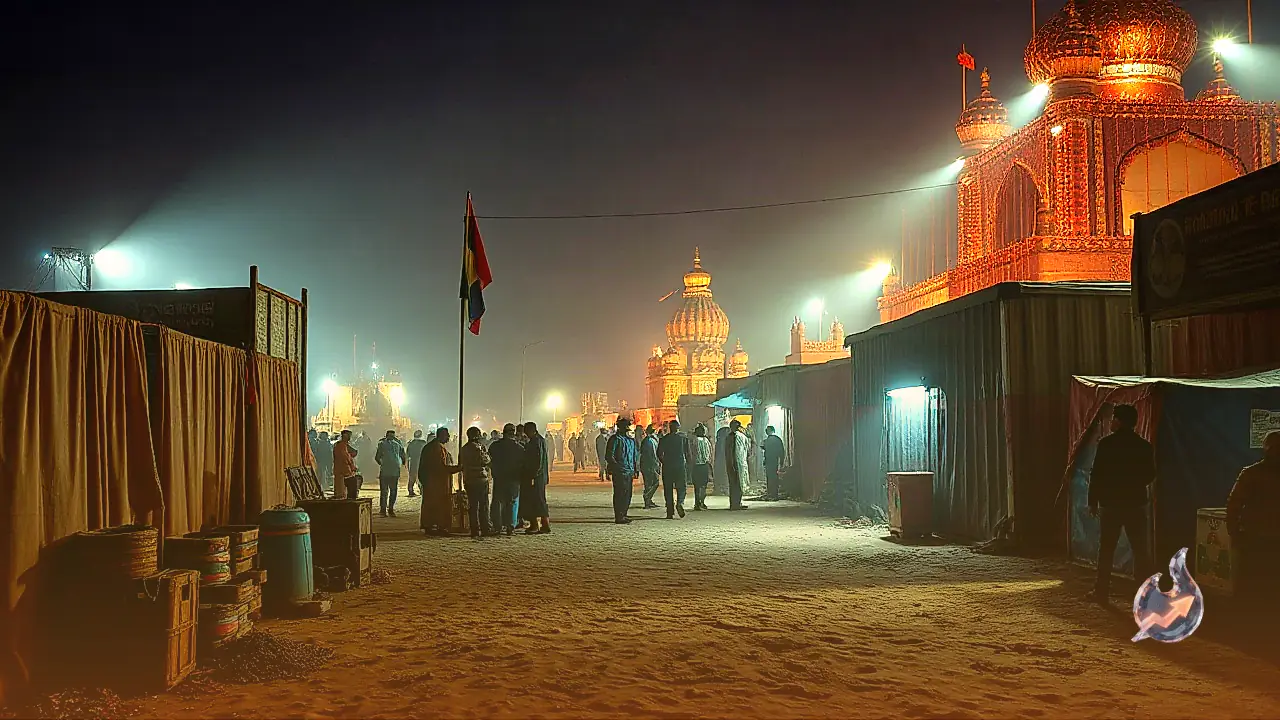
The government order has directly impacted major traditional gatherings in the Shekhawati region. The annual Beri and Todpura livestock fairs, which are held during the month of Bhadwa in Sikar and Jhunjhunu districts, stand cancelled for this season. Official statistics indicate that more than 20,000 cattle are brought to these two fairs combined every year. These events attract cattle rearers and traders not only from various parts of Rajasthan but also from neighbouring states like Punjab and Haryana. Banning these large gatherings was considered essential to prevent the virus from turning into a widespread outbreak.
Two-Tiered Containment Strategy
To combat the disease at the grassroots level, the animal husbandry department has implemented a two-tiered strategy covering villages and blocks. A core component of this plan involves immediately separating infected cattle from healthy animals. Because flies and mosquitoes act as primary vectors in spreading the virus, vector control operations have been intensified. Disinfection drives, pesticide sprays, and fogging are being carried out inside cattle sheds and gaushalas. Specialized isolation centers are also being established to quarantine and treat infected animals separately.
Door-to-Door Surveys and Emergency Response Teams
To identify infections early, veterinary teams have been instructed to conduct door-to-door surveys across rural areas. Veterinary officers are creating a centralized database of affected livestock to monitor spread patterns closely. Rapid Response Teams are being set up at every block level to deliver immediate medical assistance whenever symptoms are reported. To maintain round-the-clock vigilance, 24-hour control rooms have been made operational at both the state and district headquarters.
Helpline Numbers Launched in Sikar
In Sikar district, a dedicated control room has been activated to assist livestock owners, with two helpline numbers, 9829531178 and 9460836035, officially released. Cattle rearers who notice symptoms of Lumpy Skin Disease in their animals can call these numbers to request medical support. The department's focus remains on reaching reported locations swiftly, isolating infected animals, and administering required veterinary medications without delay.
Rs 2.50 Crore Special Emergency Fund Allocated
To ensure adequate availability of medical supplies, the state government has released a specialized budget for emergency health management. A total amount of Rs 2.50 crore has been sanctioned to the animal husbandry department at the state level. Additionally, each district has been provided Rs 5 lakh specifically for purchasing medicines and attending to local emergency needs. The central headquarters will monitor medicine stock levels and distribution daily to prevent supply shortages in any region.
Health Guidelines and Natural Immunity Boosters
Authorities have urged cattle owners to isolate sick animals immediately upon noticing warning signs and notify the nearest veterinary center or control room. Key symptoms of Lumpy Skin Disease include skin nodules or lumps, high fever, and nasal discharge. Farmers are advised to avoid taking cattle to open public pastures, refrain from purchasing new animals, and halt inter-district transport. Furthermore, the department recommends feeding natural immunity boosters like turmeric, giloy, black pepper, and amla to boost cattle resistance against infection.