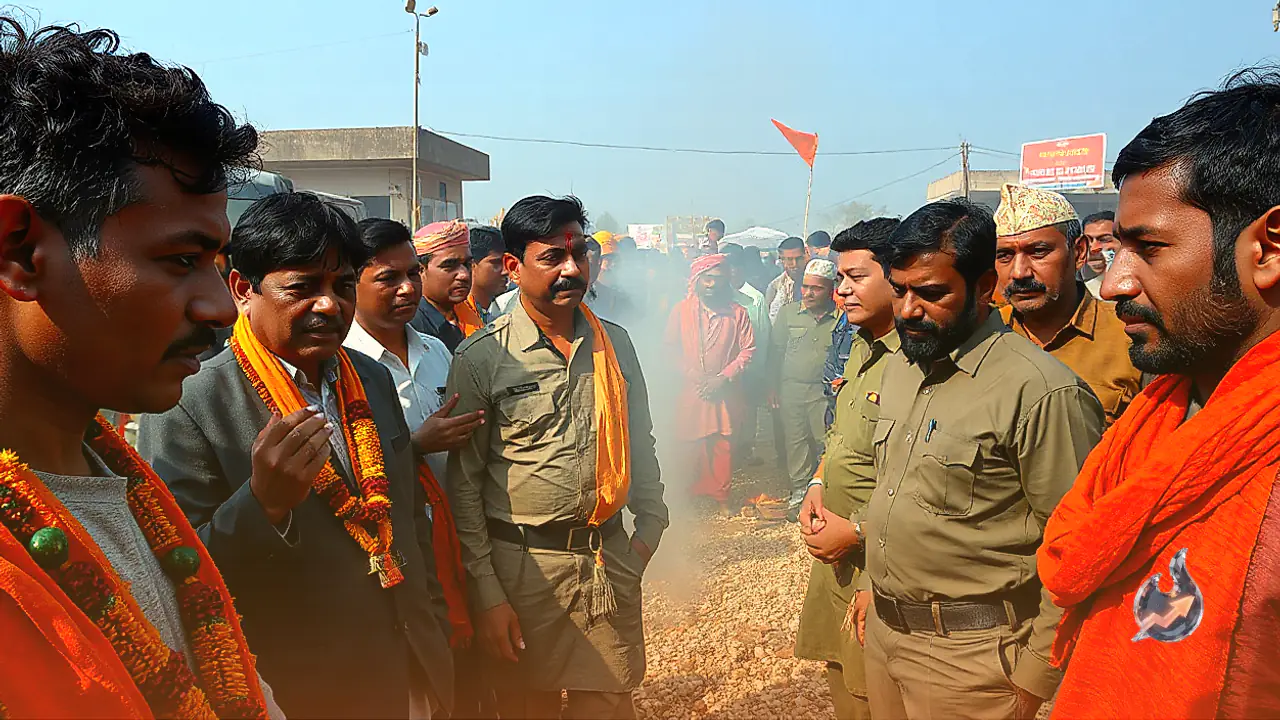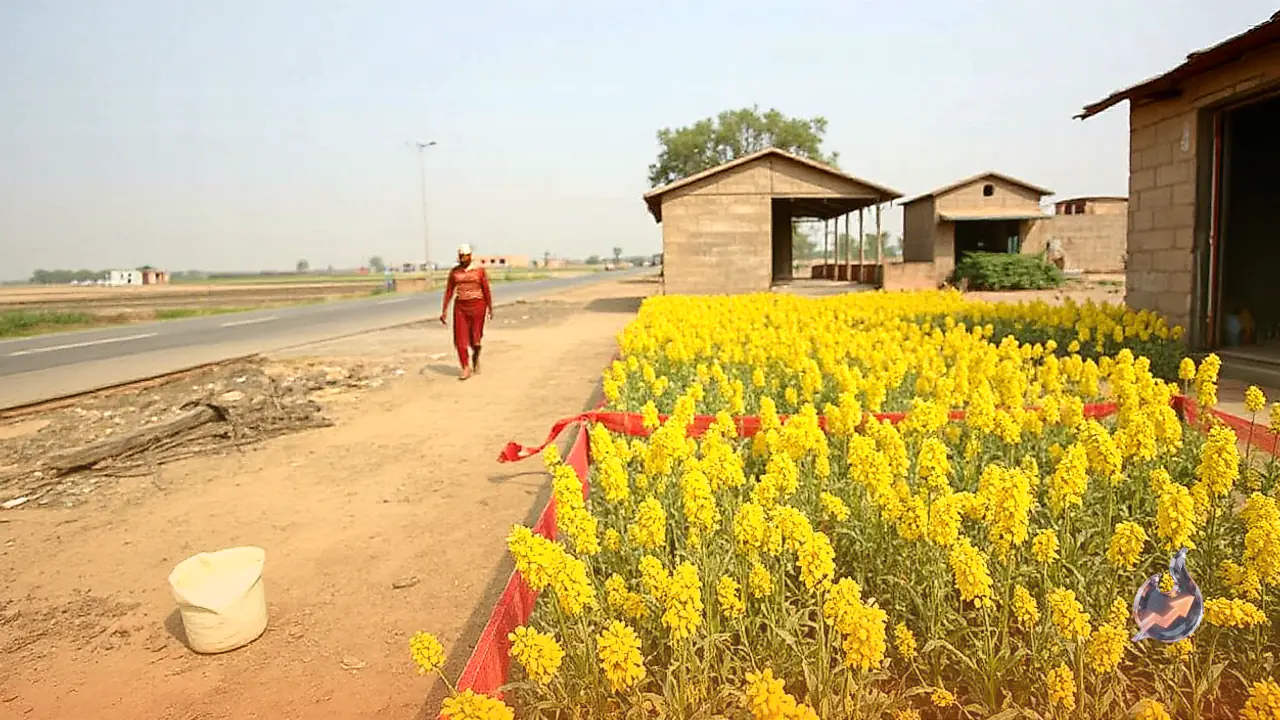

A highly beneficial initiative has been launched for cultivators ahead of the Rabi season, bringing much-needed relief to farming communities. In Sikar district, as many as 33,000 farmers will be provided with mustard seed mini kits completely free of cost by the government. The most notable feature of this distribution drive is that farmers will not need to visit any government offices to collect the seeds. Instead, dedicated committees formed at the gram panchayat level will handle the selection of eligible beneficiaries and distribute the seeds locally.
This initiative, rolled out under the National Mission on Edible Oil, aims to boost mustard production across the district while simultaneously lowering cultivation costs for growers. The agriculture department has completed all necessary preparations to kick off the distribution process smoothly. The panchayat-level committees comprise agricultural supervisors and village development officers. These officials will compile lists of eligible and interested local farmers to ensure that the benefits of the scheme reach the actual cultivators directly without any hassle.
Allocation and Distribution Structure
Under the guidelines of this scheme, every selected farmer will receive a 2-kilogram mini kit of improved mustard seeds, which is adequate for sowing across half a hectare of land. Across the entire Sikar district, these kits will be distributed to a total of 33,000 farmers. This effort is expected to promote high-yielding mustard cultivation over an area of approximately 16,500 hectares. The agriculture department has finalized administrative arrangements to ensure timely execution before the sowing season progresses.
Reducing Initial Farming Costs
The quality of seeds plays a direct role in determining crop yield, and mustard farming is no exception. Due to financial constraints, many farmers are unable to purchase expensive certified seeds from the market, forcing them to rely on traditional seeds for sowing. Providing free high-quality seeds gives these growers an opportunity to adopt superior varieties. This will not only reduce the initial expenditure incurred during sowing but also increase the likelihood of higher yields through proper crop management and timely agricultural practices. Small and marginal farmers are expected to benefit the most from this governmental intervention.
Curbing Dependence on Edible Oil Imports
The domestic demand for edible oils remains consistently high across the country, requiring massive imports from foreign nations to satisfy daily consumption needs. To minimize this heavy reliance on imports, the central government initiated efforts to promote oilseed crops under the National Mission on Edible Oil. Across Rajasthan, a total of 31,145 quintals of seeds will be distributed free of cost under this framework. For a major mustard-producing region like Sikar, this translates into a substantial increase in overall regional output.
The National Seeds Corporation has arranged for advanced mustard seed varieties in accordance with the specific indents placed by the agriculture department. Following the supply of these seeds, panchayat-level committees will oversee the distribution of mini kits to farmers through village service cooperative societies. According to Gopal जाट, centre in-charge officer at NSC Sikar, the required quantity of improved mustard seeds has been fully arranged as per departmental demands. Furthermore, agricultural expert Jawan Singh noted that the month of November provides the ideal weather conditions for sowing mustard, which helps mitigate the risks posed by pests and crop diseases.