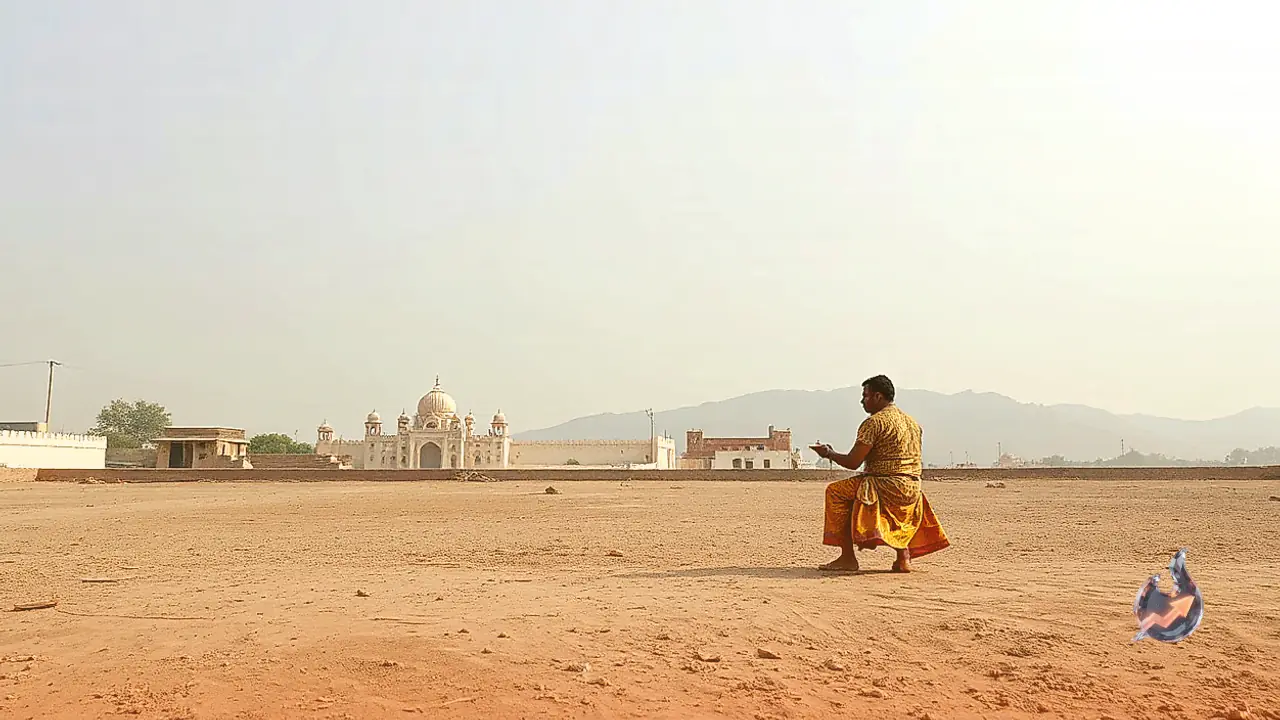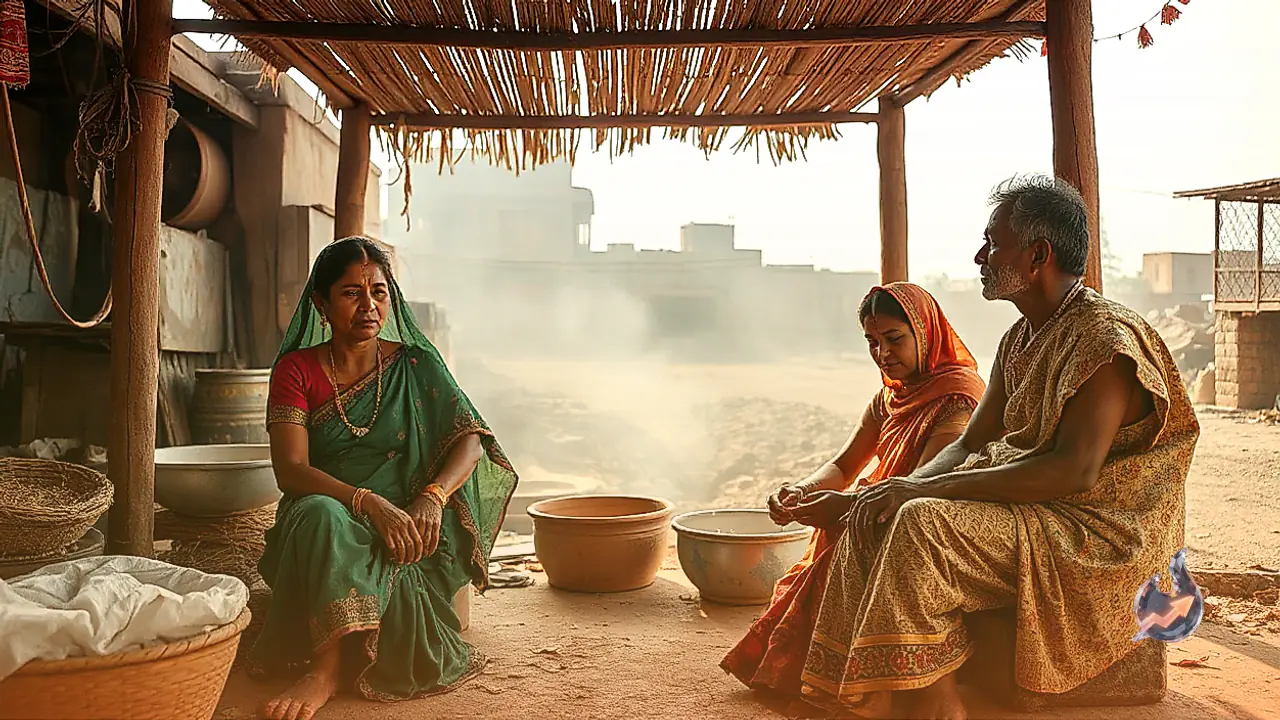


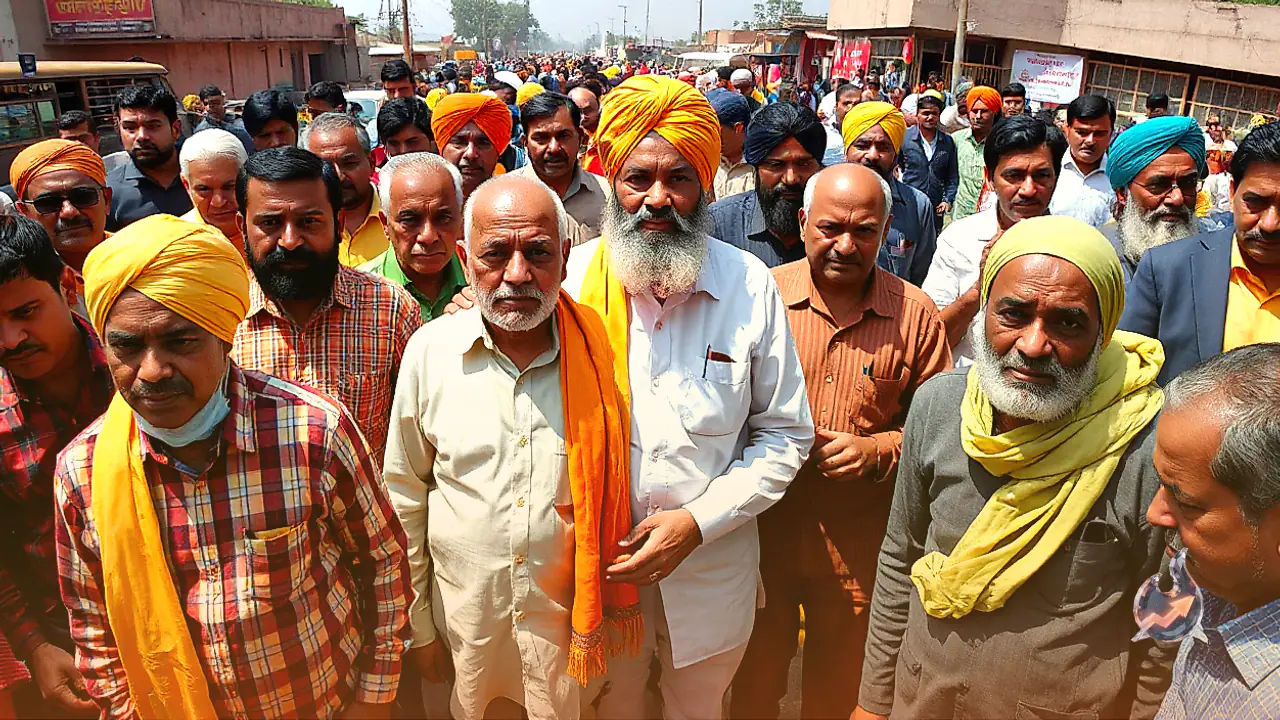

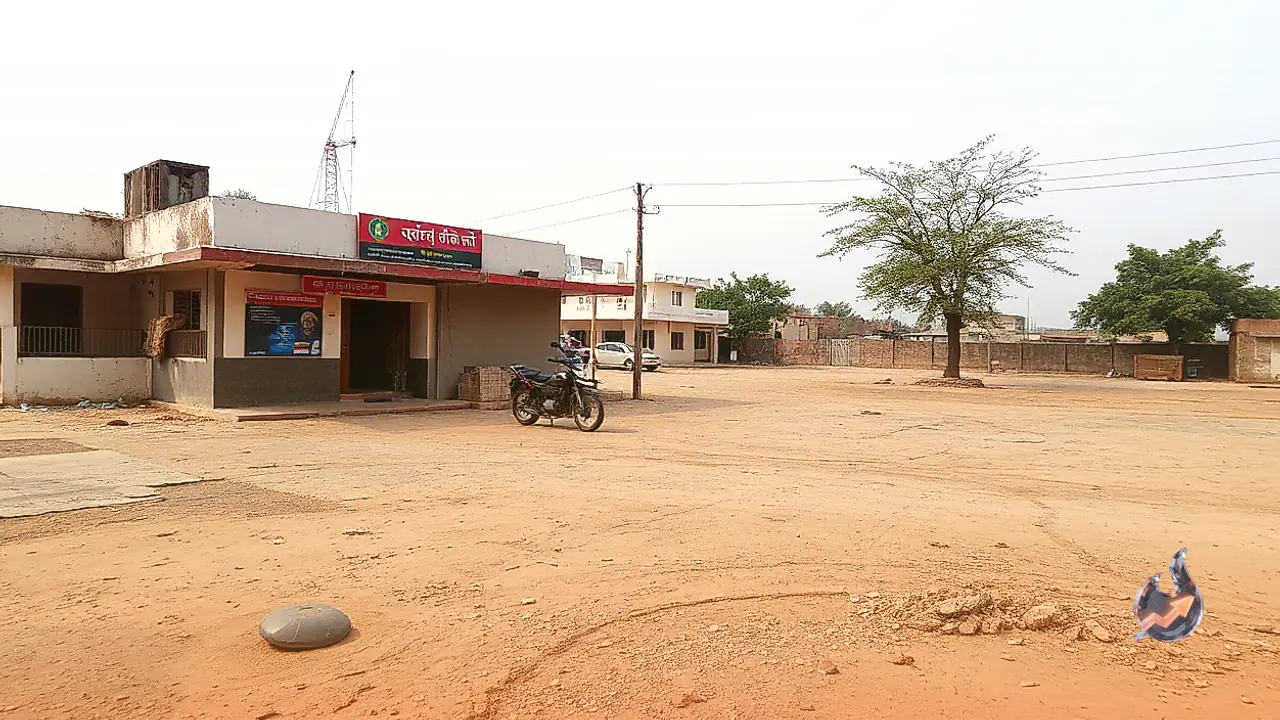














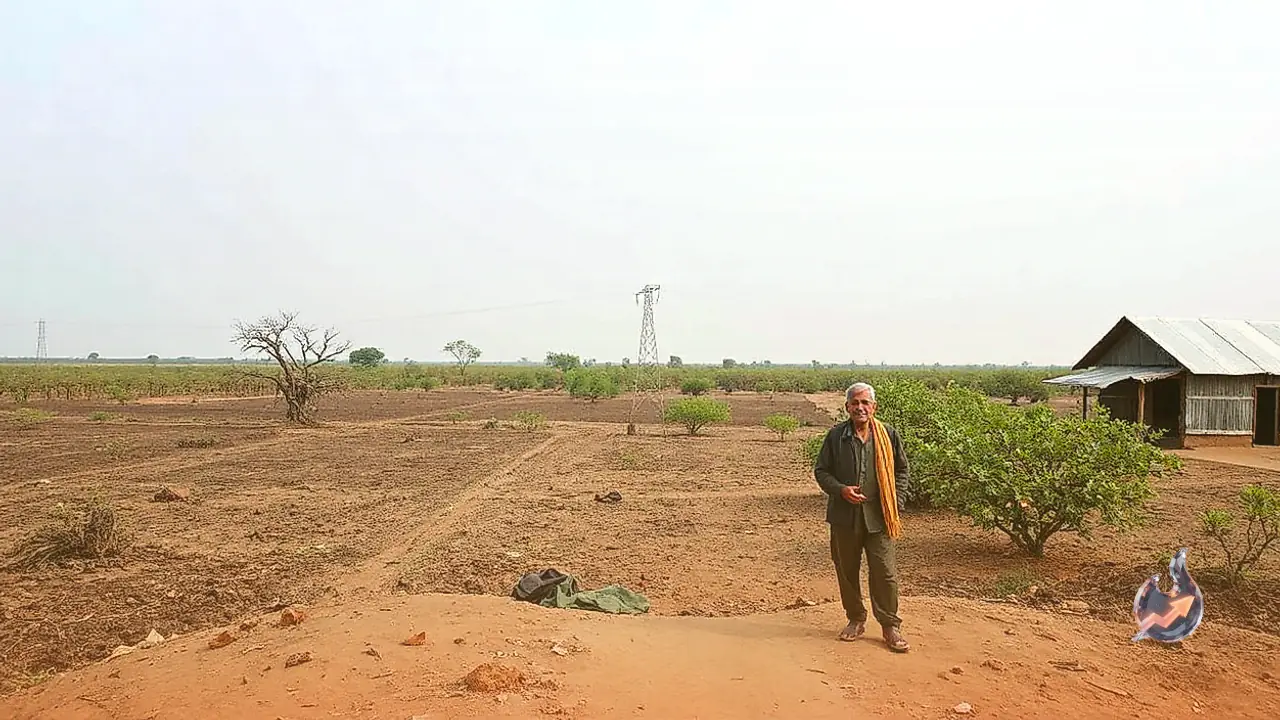

At a stage of life when most individuals seek quiet retirement, a dedicated circle of elderly residents has transformed the landscape of their village through sheer physical determination. In Kuloth Kalan, a settlement lying adjacent to the Haryana boundary, senior citizens took it upon themselves to breathe vitality into an arid wasteland. A sprawling community pond bed covering approximately 250 bighas, once barren and swept by dust, now flourishes under dense canopy. Around 2,000 saplings of sacred fig, banyan, and margosa planted over the years have matured into sheltering trees filled with bird song.
A Tryst with Illness That Sparked a Green Mission
The genesis of this expansive tree plantation traces directly back to the personal ordeal of Ramsingh Lakhera, now 71 years old. Ramsingh battled throat cancer and endured demanding medical procedures before successfully triumphing over the malignant disease in 2008. While relatives urged him to spend his recovery resting quietly at home and avoiding physical exertion, he interpreted his survival as a calling to serve nature. He turned his attention toward the parched, uncultivated terrain surrounding the Dada Keshav Maharaj temple.
Initially working entirely on his own, Ramsingh began planting varieties resilient to the local climate, specifically banyan, neem, and peepal. He fetched water daily, shielded the tender shoots from hazards, and tended each plant meticulously. The moment small green sprouts pierced through the dry earth, his resolve hardened to see the entire tract revived.
Elders Unify to Convert an Individual Initiative into a Community Crusade
Witnessing Ramsingh's persistent dedication under harsh weather, several fellow elders stepped forward to share the heavy labor. By 2011, this lone endeavor swelled into an organized collaborative campaign. Several senior members joined ranks, including 82-year-old Chiranjilal Swami, 76-year-old Ramniwas Sharma, 72-year-old Prakashchand Mechu, 71-year-old Harisingh Mechu, 65-year-old Sher Singh Jangid, 54-year-old Raghuveer Sharma, and 50-year-old Ishwar Meghwal.
The group divided daily responsibilities systematically among themselves. Certain elders took charge of digging and planting, others fabricated protective boundaries to deter grazing animals, while the rest oversaw regular watering schedules. Through continuous collective sweat, they planted approximately 2,000 saplings. Today, these species have developed into massive shade-giving trees, transforming an abandoned tract into a thriving sanctuary resonant with wildlife.
Philanthropic Aid and Lifelines for Local Fauna
Moved by the steadfast dedication of these aging men, a local philanthropist stepped forward to resolve their primary operational hurdle. The donor funded the installation of a deep borewell adjacent to the temple ground, radically simplifying the task of watering hundreds of growing saplings across the vast expanse.
In tandem with raising the green cover, the caretakers addressed the drinking needs of stray animals and avian species. They made arrangements to keep a masonry reservoir near the temple filled with clean water, ensuring cattle and birds have continuous access to water during oppressive summer heat.
Expanding Tree Plantation to the Kesh Rani Wasteland
The group's zeal did not halt at the boundaries of the primary 250-bigha reclamation. Seeking fresh ground to enrich, they directed their tools toward another neglected community plot known locally as Kesh Rani Johri. Spanning roughly 25 bighas, this barren tract was similarly prepared and planted with banyan, peepal, and neem.
Ongoing nurture has brought lush vegetation to this second site as well. The seniors of Kuloth Kalan have demonstrated that ecological rejuvenation does not hinge on official authority or lavish financing; it demands persistent physical resolve and genuine civic commitment to preserve natural assets for future generations.