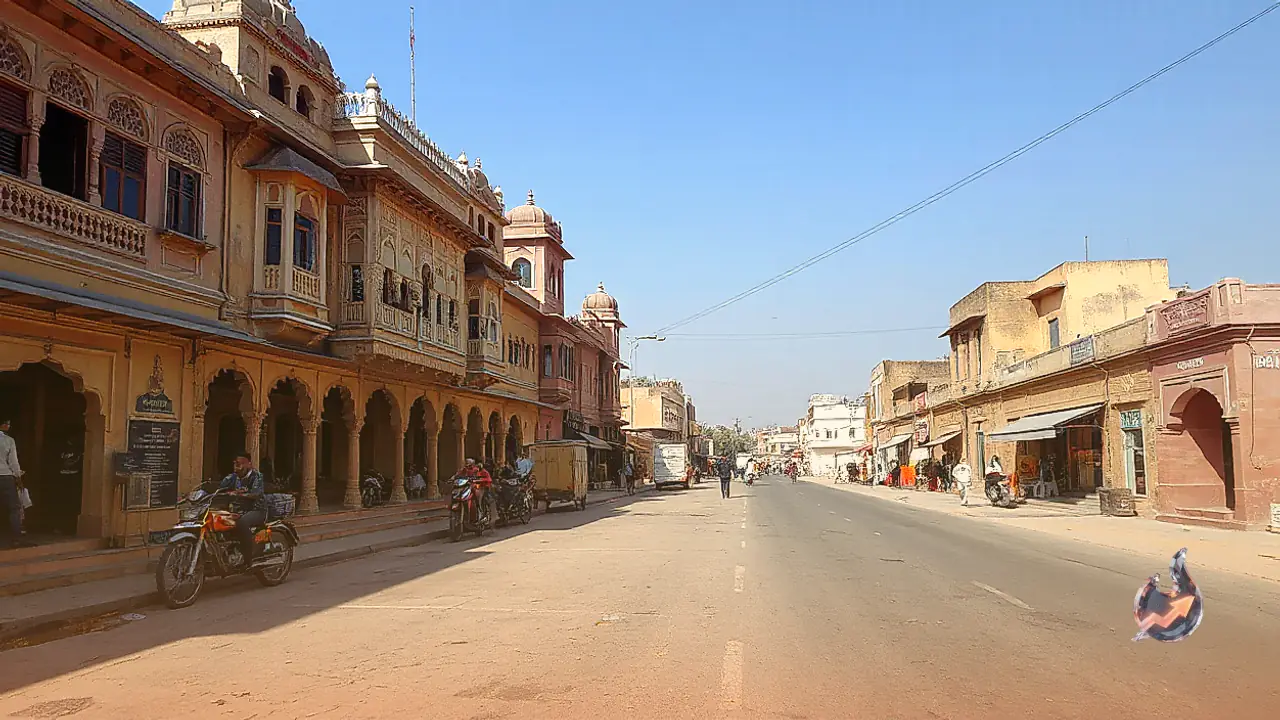
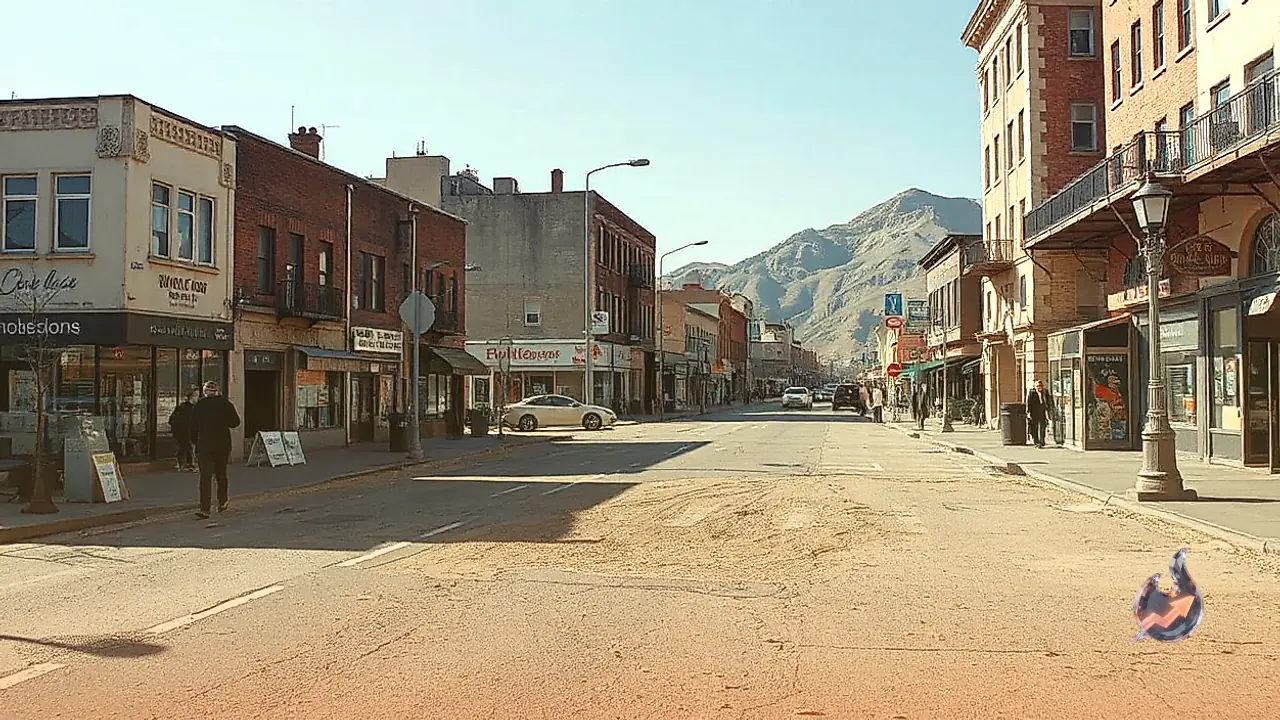
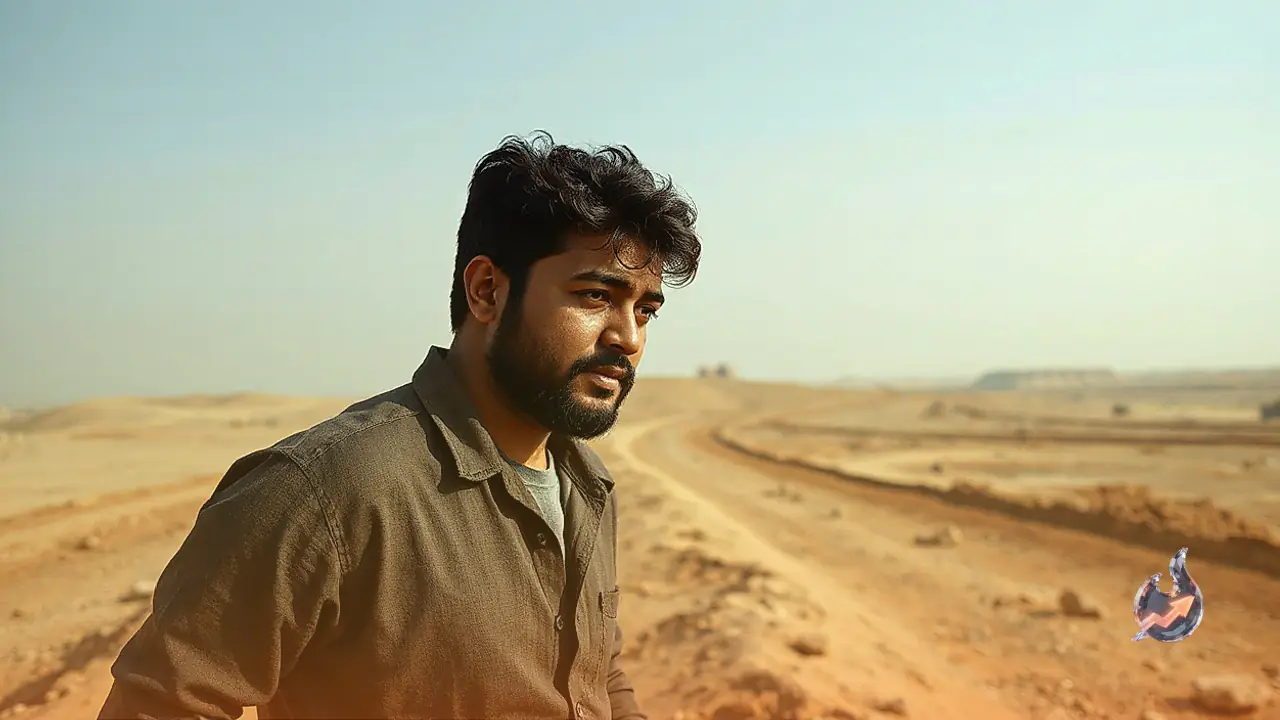
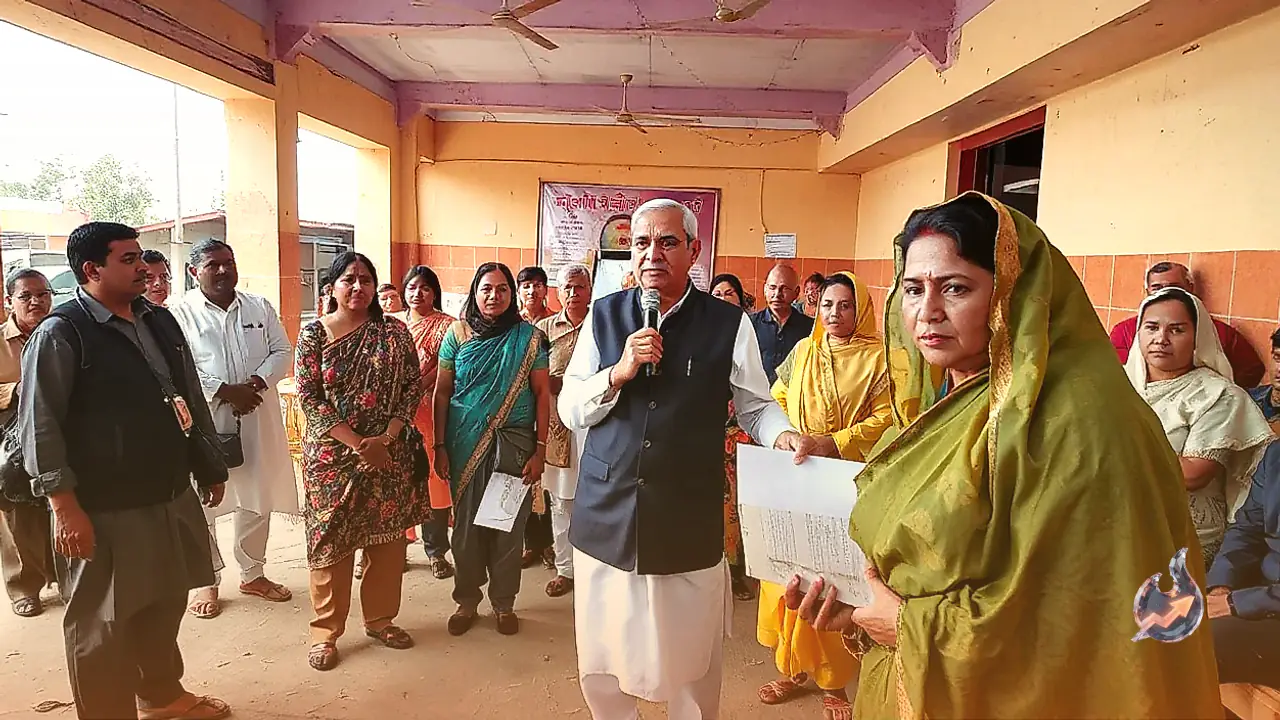















With the festive energy of Diwali building across market streets, worship materials and sacred imagery see immense demand from devotees preparing for the annual ceremonies. While commercial printing presses dominate contemporary shopfronts with mass-produced posters, a distinct artistic legacy persists in the historic town of Karauli. Tracing its lineage back to the princely era, one local family continues to handcraft traditional images meant for Lakshmi Puja using pure and carefully blended pigments. This regional craft stands as an enduring emblem of self-reliant local craftsmanship, producing religious depictions that travel to various destinations across the country during the festive season.
Sustained Reverence and Spiritual Belief
Generations of elders and cultural purists continue to place deep trust in these traditional handcrafted portraits over modern glossy prints. The cultural reverence attached to the artwork is significant, guiding seasonal shoppers toward these distinctive sheets every autumn. Explaining the emotional and spiritual bond, local artist Dinesh Kumar Sharma points out that devotees view these handcrafted representations as the living presence of Goddess Lakshmi herself. This spiritual sentiment remains the cornerstone of why worshippers deliberately seek out these specific illustrations to sanctify their homes during Diwali festivities.
The Sole Craftsman Preserving an Ancestral Lineage
The creation of these sacred festival depictions in Karauli is carried out exclusively by the local Chatera family. For decades spanning multiple generations, family elders preserved the intricate methods of sketching and painting sacred motifs. Today, Dinesh Kumar Sharma shoulders the entire mantle of this ancestral heritage, functioning as the last active artist carrying the lineage forward. The artistic format remains unique to Karauli alone. Despite a surge in public interest and orders during the festive season, the labor-intensive technique keeps overall production tightly restricted.
Intense Labor Yields Just Two Hundred Artworks in Two Months
Crafting each depiction demands immense patience, precise brushwork, and meticulous manual detailing. Dinesh Sharma begins production roughly two months ahead of Diwali to ensure that finished pieces are dry, detailed, and ready for festival rituals. Because every single stroke is applied by hand without mechanical shortcuts, the intense schedule yields barely 200 paintings across that entire sixty-day window. The widespread influx of mass-produced, machine-printed alternative posters has altered the commercial landscape, yet seasoned devotees and discerning collectors continue to prioritize these authentic works. Beyond local Karauli residents, patrons from neighboring territories regularly travel in to acquire them directly.
Affordable Pricing and a Reviving Appreciation for Heritage
Owing to the sheer time investment and manual skill involved, these handcrafted pieces command a slightly higher price than machine-printed paper prints sold in general stores. Consequently, the buying audience remains distinct and focused on preserving tradition. At present, these handmade festive images retail for roughly 50 to 60 rupees each. Artist Dinesh Sharma notes that despite aggressive competition from industrial printings, customer appreciation for authentic artisanal devotion has steadily revived over recent years. Reflecting this slow resurgence in demand, his seasonal production has climbed from roughly 100 paintings in previous years to around 200 pieces today.