























Agricultural activities across Rajasthan's Nagaur district have gained momentum as the rabi season gets underway, with farmers actively preparing their lands for wheat cultivation. Field preparations and the selection of quality seeds are currently top priorities for growers aiming for a bountiful harvest. Experts point out that adopting scientific methods from the very beginning can significantly enhance crop growth and overall yield.
Selecting High-Yielding Varieties and Local Adaptation
Progressive farmer Arjun Chaudhary emphasized that achieving a successful harvest depends heavily on choosing the right crop variety, preparing the land properly, maintaining appropriate seed rates, and timing the sowing accurately. For irrigated zones in the district, varieties such as DBW 187, DBW 222, HD 3406, and HD 3386 serve as excellent options. However, growers should always select varieties based on their specific local climate, soil characteristics, irrigation availability, and sowing schedules. Consulting local agricultural science centers or department specialists can prove highly beneficial for making informed decisions. Farmers are continually advised to purchase only certified seeds to ensure superior quality and germination rates.
Managing Seed Rates and Proper Spacing
Paying close attention to the exact quantity of seed used during planting is crucial for optimal results. Under normal conditions, utilizing approximately 40 kilograms of certified seed per acre is standard practice. Exceeding this recommended amount can trigger intense competition among growing plants for nutrients and space, while using too few seeds results in sparse crop density across the field. Maintaining the correct balance during planting prevents these issues.
Field Preparation and Sowing Techniques
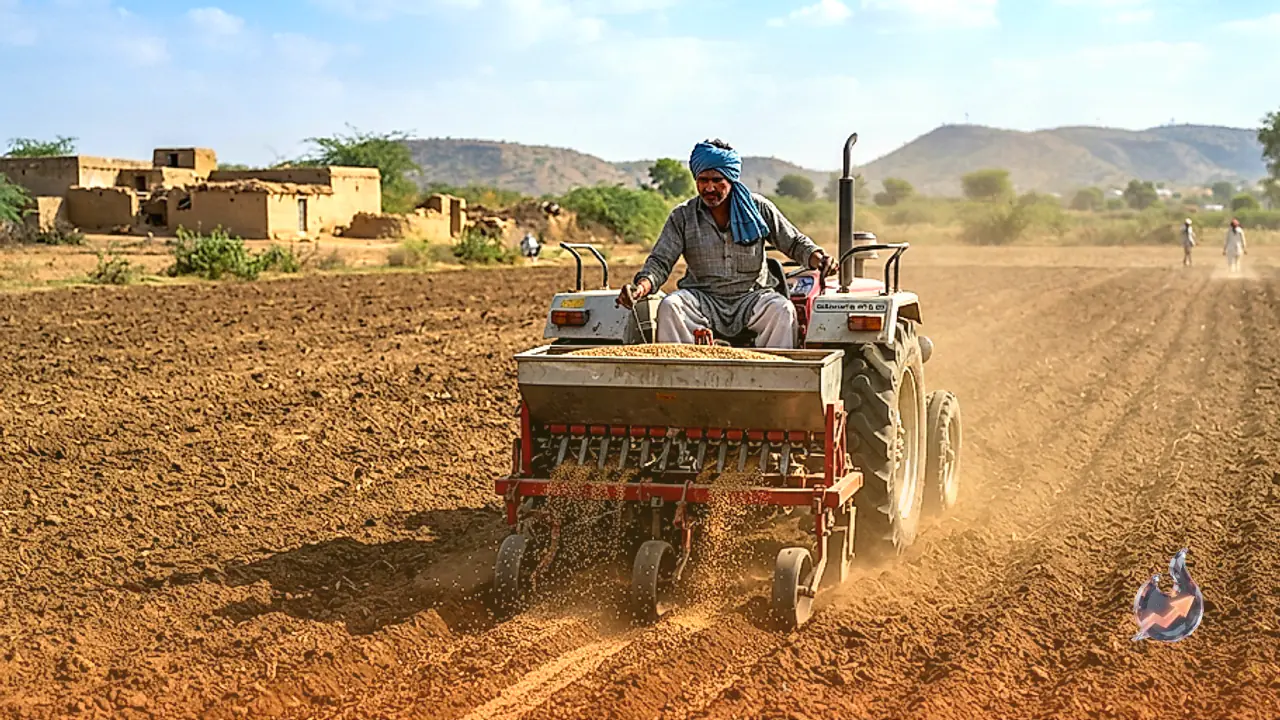
Preparing the land involves thoroughly tilling the soil until it achieves a fine, crumbly texture. Farmers should remove all weeds and leftover crop residue before leveling the field evenly. During the sowing process, maintaining a distance of 20 to 22 centimeters between rows is considered ideal. Seeds should be placed at a depth of roughly 4 to 5 centimeters beneath the soil surface, providing them with favorable conditions for germination and early development. Utilizing a seed drill machine whenever possible helps maintain precise spacing and uniform depth.
Importance of Seed Treatment and Nutrient Management
Seed treatment prior to planting is an essential step that helps minimize the risk of seed-borne and soil-borne diseases. Growers should apply appropriate fungicides or organic treatments following the recommendations of agricultural extension services. Furthermore, conducting a soil test before planting helps determine the precise fertilizer requirements. Timely initial irrigation and consistent moisture retention are vital elements for ensuring the long-term health and productivity of the crop.