























Cultivators grappling with shifting weather patterns, unseasonal downpours, scorching heat, and pest infestations are increasingly turning to polyhouse technology as a robust and reliable farming alternative. By leveraging this modern agricultural technique, growers can maximize their yields within limited spaces and substantially increase their overall earnings. A standout feature of this system is that it frees farmers from complete dependence on natural weather conditions, enabling them to cultivate a diverse range of valuable crops, vegetables, and flowers throughout the twelve months of the year. Consequently, this significantly boosts the likelihood of farmers securing attractive and profitable market prices for their harvested produce.
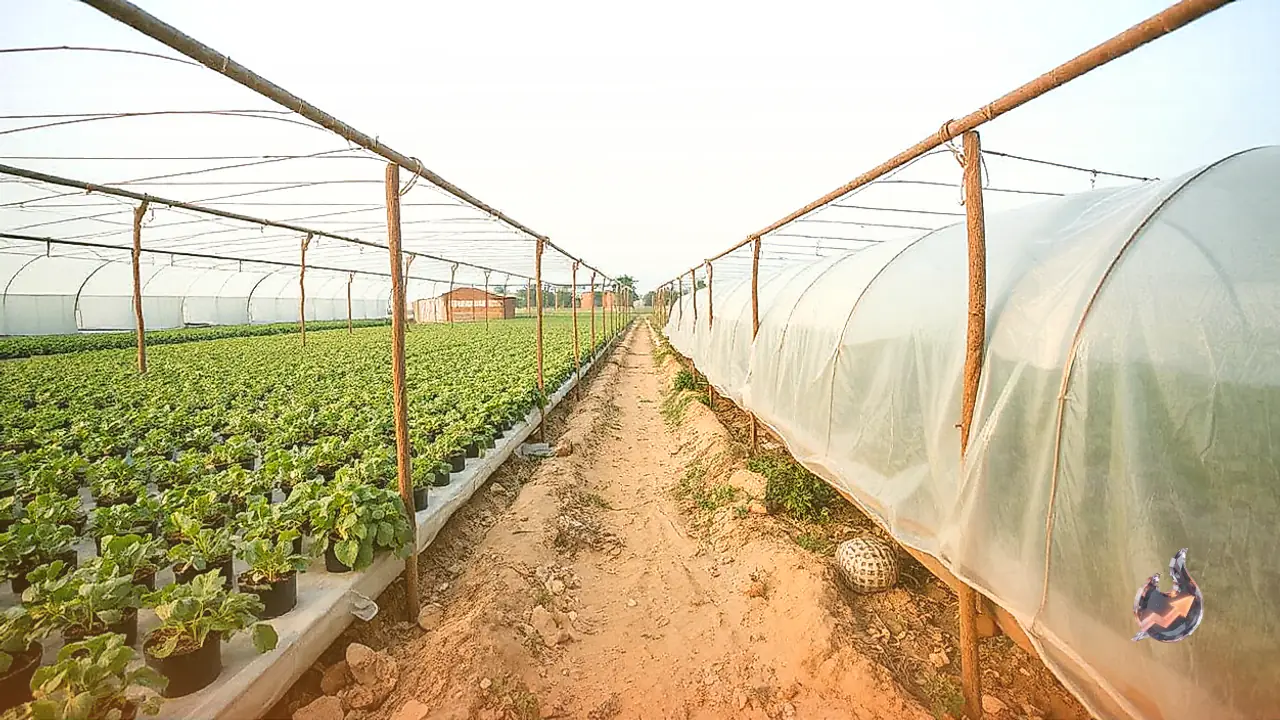
A polyhouse is essentially a specialized structure constructed using durable plastic sheeting and protective mesh netting. Within this enclosed environment, crops are shielded from the adverse and damaging effects of harsh external weather. The primary advantage of this method is that internal temperature, humidity levels, and sunlight exposure can be precisely modulated to match the specific biological requirements of the growing plants. This ensures vigorous plant growth and helps achieve a much higher quality yield compared to conventional open-field farming methods.
Agricultural expert Bajrang Singh explained that the single biggest benefit of polyhouse technology is the ability to produce multiple crops well beyond their normal growing seasons. Within this controlled setup, farmers can successfully cultivate tomatoes, cucumbers, bell peppers, green chilies, coriander, and various other vegetables. Additionally, commercial floriculture enthusiasts can produce high-demand flowers such as roses, gerberas, and carnations. By bringing unseasonal produce to the market precisely when conventional farming yields run low, growers get a prime opportunity to sell their crops at premium rates.
Drip irrigation systems deployed inside polyhouses deliver water directly to the plant roots in exact measured quantities according to need. This curbs water wastage and significantly cuts down operational irrigation expenses. Furthermore, fertigation technology allows water-soluble fertilizers to be transported directly to the plants alongside irrigation water. Implementing mulching techniques further ensures that soil moisture is retained over extended periods while effectively suppressing weed growth.
Crops in open fields frequently endure the destructive fury of strong gales, heavy precipitation, hailstorms, and numerous invasive pests. In contrast, the fine mesh and regulated environment of a polyhouse restrict the entry of external pests. This drastically reduces the probability of crop damage, though farmers must still maintain regular crop monitoring and cleanliness to keep plants thriving.
Scientific spacing, precise irrigation, and optimized nutrition management inside polyhouses maximize the utility of available land. Careful oversight and the selection of high-yielding crop varieties deliver bountiful harvests even from compact areas. This empowers small and medium-scale farmers to easily adopt modern agriculture. However, constructing a polyhouse demands a higher initial financial investment compared to traditional farming, with total costs depending heavily on structural dimensions, build quality, and deployed technology.
Before setting up a polyhouse, farmers must consult their local agriculture and horticulture departments to gather detailed information regarding government subsidies, eligibility criteria, and supportive schemes. It is equally essential to analyze prevailing market demands, select appropriate crops, and pre-plan distribution logistics. When backed by sound planning and scientific methodologies, polyhouse farming proves to be an exceptional vehicle for elevating grower incomes.