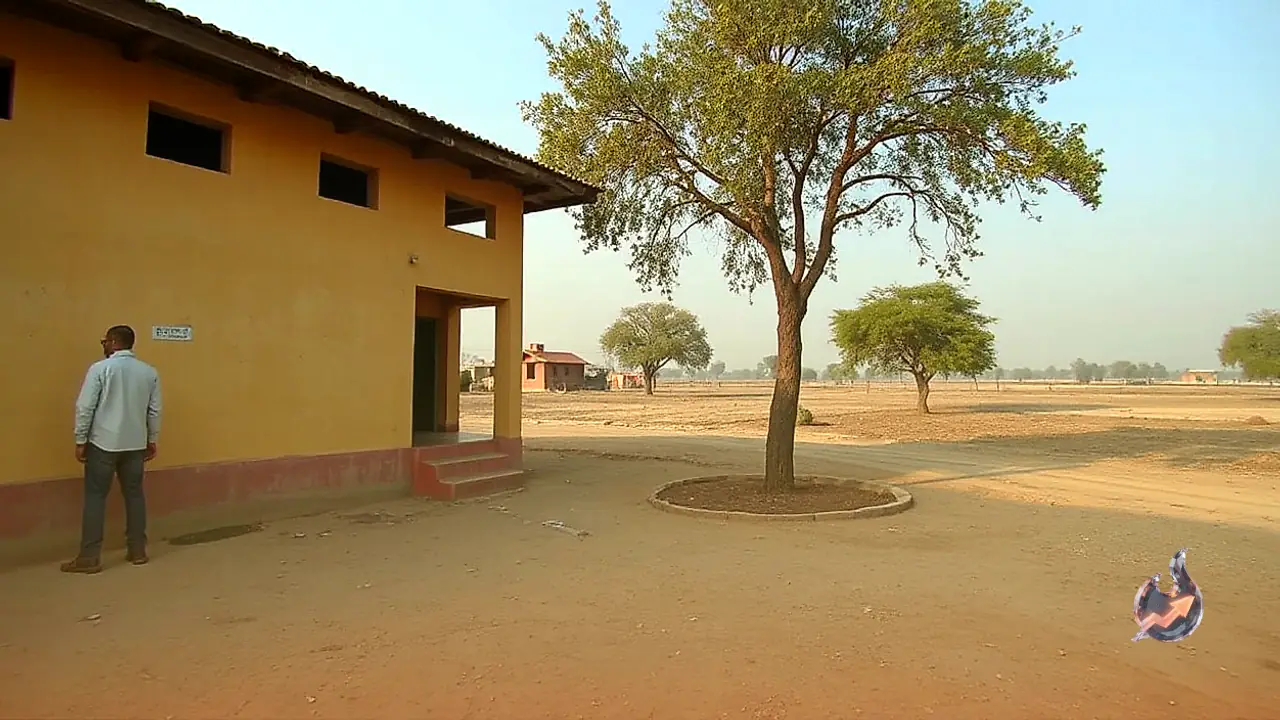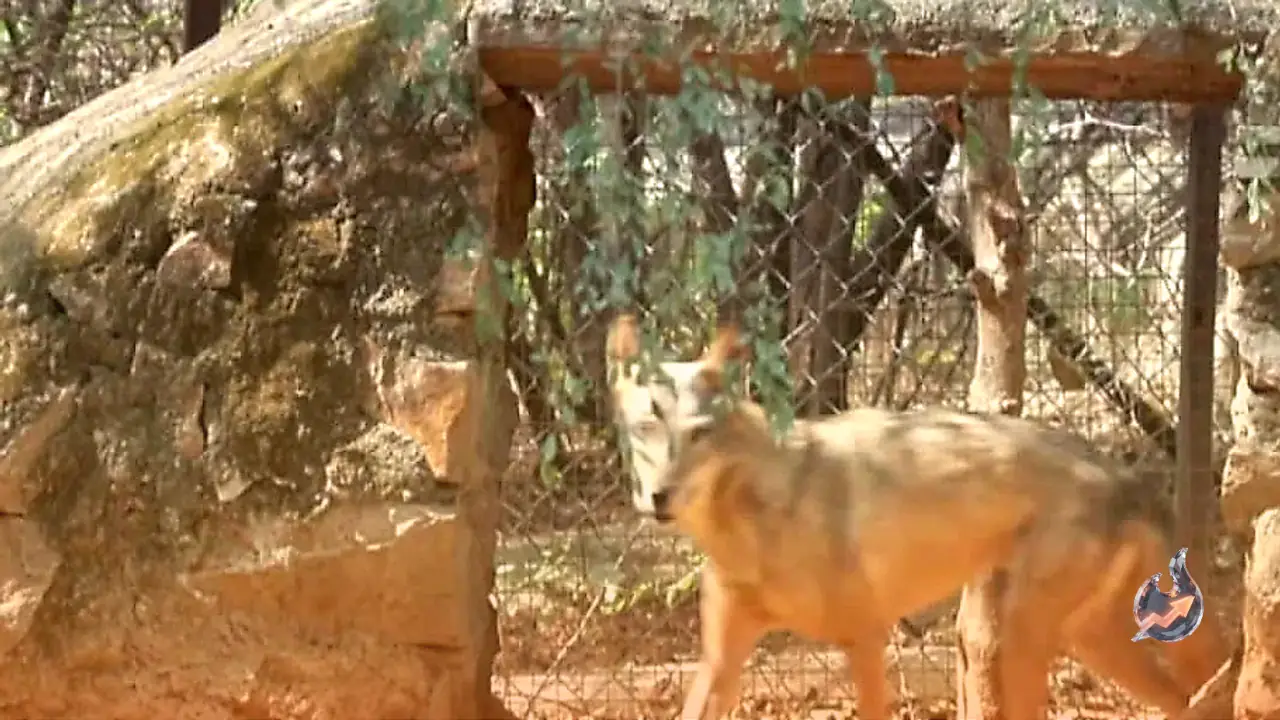

Open grasslands, rugged hills and thorny thickets across Rajasthan once echoed frequently with the distinct calls of wild wolves, but that natural chorus is steadily fading away. As human intervention continues to encroach upon pristine wildlife habitats, the very survival of these predators faces an escalating crisis. The traditional grazing grounds, community pastures known as gochar and oran, and wide-open expanses that wolves have relied on for generations are now being rapidly overtaken by expanding agriculture, large-scale mining operations, and various commercial construction projects. With their natural homes and movement corridors systematically dismantled, the future of this species hangs in the balance.
Declining Numbers and the Shifting Distribution Landscape
A look back at historical data highlights a stark trajectory of decline. Back in the year 2007, official records estimated a wolf population of 1,596 across Rajasthan, whereas the 2026 census across selected forest and protected zones revealed a mere 467 individuals remaining. Although wildlife officials note that the exact methodology and surveyed areas between the two periods may not be completely identical, preventing a definitive declaration of total state-wide population loss, the fresh numbers still raise profound conservation alarm bells. Most notably, out of the 467 recorded wolves, as many as 396 were found residing completely outside designated protected areas, with only 71 located within sanctuary boundaries. This means that roughly 85 percent of the surviving population currently lives in zones heavily pressured by daily human activities.
District-Wise Breakdown of Where Wolves Still Roam
The latest 2026 census data indicates that among protected sanctuaries, Shergarh Sanctuary holds the highest concentration with 39 recorded wolves. Dholpur accounts for 12, Bhainsrorgarh for 8, Band Baretha for 6, and Van Vihar for 2, while other protected reserves registered just a single wolf each. Conversely, areas lying completely outside official protection zones recorded much higher numbers in certain pockets. Jhunjhunu emerged on top with 74 wolves roaming outside sanctuaries, followed by Baran with 59, Jhalawar with 50, Jaipur North with 42, and Dausa with 38. Additional populations were documented in Pali with 22, the Jodhpur DCA wildlife zone with 19, and Sikar with 16.
Unlike forest-dependent apex predators, wolves do not require dense jungles to thrive; open grasslands, scrublands, rocky terrain, and semi-arid landscapes form their ideal habitat. Rajasthan's community pastures and village grazing lands are vital for their foraging, breeding, and safe transit. However, widespread encroachment, agricultural expansion, mining, and industrial push are heavily degrading these spaces. Roads and infrastructure development routinely fracture their historical movement corridors. Beyond being mere hunters, wolves play a crucial ecological role by keeping populations of rodents, hares, and other small mammals under check, meaning their disappearance directly threatens the natural food chain.
Livestock Predation and Escalating Human-Wildlife Conflict
One of the most formidable hurdles in wolf conservation is the sharpening conflict between humans and wildlife. Predation on domestic livestock frequently inflicts financial hardship on rural farmers and herders, occasionally triggering retaliatory measures such as poisoning. Ensuring timely financial compensation for affected livestock owners, reinforcing animal enclosures, and establishing rapid response units from the forest department are imperative. Integrating local rural communities into active conservation initiatives remains the only viable path to mitigating this friction.
Amid these mounting challenges, localized field studies offer glimpses of hope. Research conducted between 2017 and 2019 across seven villages in and around Bhavad in Jodhpur documented 14 wolves spread across a 64-square-kilometer area, identifying 21 active dens of which seven were fully operational. Similarly, a 2021 assessment inside the Kailadevi Wildlife Sanctuary in Karauli estimated the wolf presence to range between 19 and 45 individuals across a 672.82-square-kilometer landscape. These studies prove that suitable habitats still exist across the region and simply require earnest protection.
Calls for Dedicated Conservation Strategies and Future Warnings
Environmentalist Babulal Jaju emphasizes that the state government and forest department must approach wolf conservation with utmost seriousness. The steady erosion of community pastures and the fragmentation of wildlife corridors present an existential threat. Just as dedicated preservation efforts are deployed for the critically endangered Great Indian Bustard, a similarly focused action plan is urgently required for wolves. While captive breeding and conservation initiatives at Jaipur's Nahargarh Biological Park are commendable, true success will only be achieved when these animals can roam safely within their native ecosystems through rigorous scientific monitoring, adequate prey availability, and genetic diversity management.
Failing to act decisively now risks reducing the wolf to little more than a memory preserved in textbooks and photographs. Comprehensive state-wide scientific surveys, strict safeguarding of community lands, restoration of migration corridors, and robust compensation schemes for pastoralists are non-negotiable steps. Setting aside a dedicated budget and targeted management plan for wolves living outside protected zones is an immediate necessity. The current figure of 467 may not represent immediate extinction, but it serves as an unmistakable and grave warning for the future.