





















Workplace dynamics often suffer when privilege overrides basic professional courtesy, but a principled stand by an employee can occasionally dismantle deep-seated entitlement. Aarav Malhotra grew up in an environment of substantial wealth, being the son of successful industrialist Rajiv Malhotra. Rajiv Malhotra had spent decades building his corporate enterprise through relentless labor and focus. Aarav, however, appeared far more interested in flaunting his family's affluence than in understanding the responsibilities required to manage an organization. Arriving late to the office, shouting at colleagues, and dismissively interrupting team members were frequent occurrences in his daily routine. He operated under the firm conviction that his family ownership shielded him from consequences, granting him the liberty to treat staff members however he wished.
A Courageous Stand Against Unwarranted Arrogance
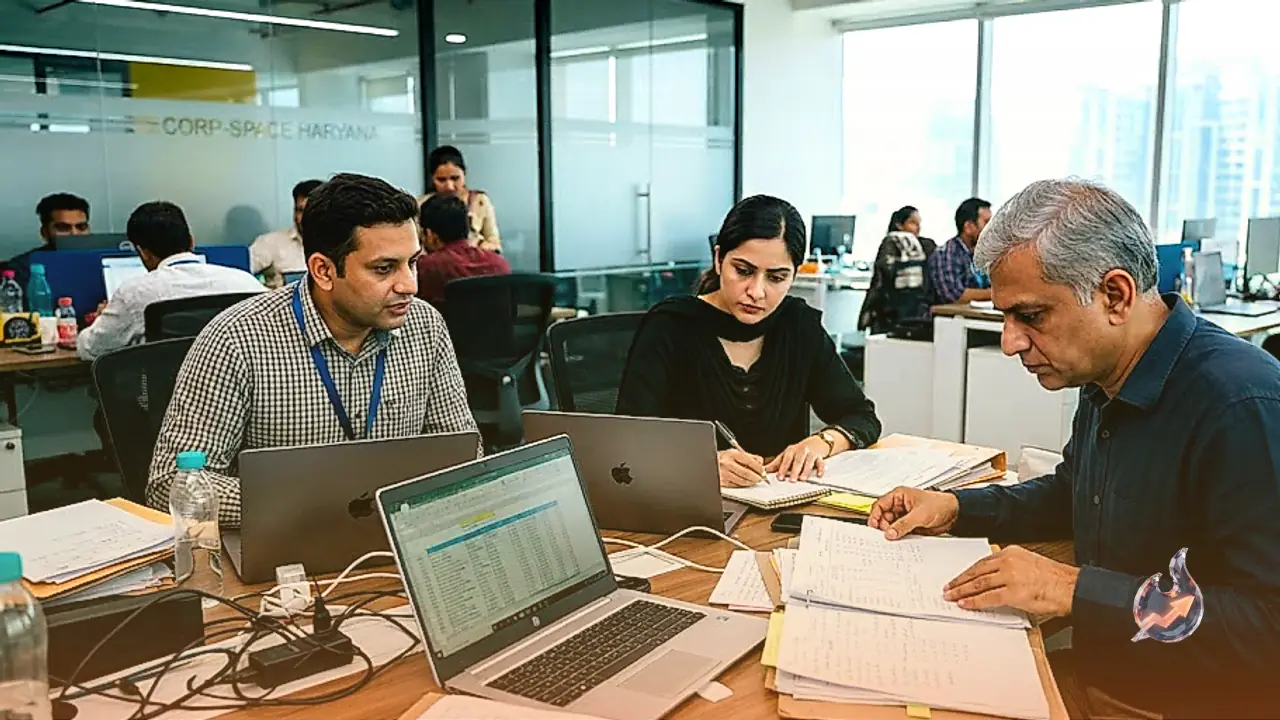
Working within the same company was Meera Sharma, who served as a junior content executive. Known for her composed demeanor and thoughtful approach to work, Meera maintained a strong moral compass that prevented her from remaining silent in the face of blatant injustice. The tension reached a boiling point on a day when Aarav walked into the workspace and discovered his morning coffee had not been served. Losing his temper immediately, he launched into a harsh, public tirade against an elderly female receptionist seated at the entrance, berating her loudly and questioning what the staff actually did to earn their livelihoods.
Before the elderly receptionist could find words to respond to the humiliation, Meera stepped in to defuse the aggression. She calmly informed Aarav that preparing coffee fell outside the receptionist's assigned duties, adding firmly that even if it were her responsibility, no one possessed the authority to demean another human being in such a fashion. The confrontation silenced the entire floor, as no employee had ever challenged the owner's son so directly. Stunned and offended, Aarav demanded to know whether she realized who he was. Maintaining her poise without raising her voice, Meera replied that she was well aware of his status as the owner's son. However, she emphasized that his pedigree did not excuse basic disrespect, reminding him that his father had built the company through honest hard work rather than by humiliating people. Although Aarav retaliated by threatening her with termination, Meera stood her ground without backing down.
A Father's Stern Lesson and a Shift in Perspective
Word of the altercation reached Rajiv Malhotra the following day, prompting him to summon his son to his office. The senior entrepreneur delivered a blunt assessment of Aarav's conduct, stating clearly that the company he took excessive pride in was built on the contributions of the very workers he treated as disposable. Rajiv issued an unequivocal warning that an individual incapable of respecting his workforce remained completely unfit to shoulder the responsibility of leading the enterprise. The reprimand struck Aarav deeply, forcing him to confront the uncomfortable truth that he had merely been coasting on his father's reputation rather than establishing any personal merit.
Shortly thereafter, a critical deadline on an important corporate project created intense pressure across departments. Aarav decided to stay late at the office for the first time to observe the operation firsthand. While doing so, he noticed Meera finishing her own workload and then assisting another team member who had previously treated her poorly and filed complaints against her. Intrigued by her behavior, Aarav inquired why she was extending a helping hand to someone who had actively tried to undermine her. Meera replied with a calm smile, explaining that one should not abandon one's innate kindness merely because someone else committed an error, emphasizing that an office is a place for collaboration rather than personal vendettas. The interaction prompted Aarav to view her not just as a junior staff member, but as a person possessing profound integrity from whom he had much to learn.
Earning Respect and Building a Relationship Grounded in Equality
Following that realization, Aarav implemented tangible changes in his daily conduct. He began arriving punctually, made a conscious effort to listen attentively to the staff, offered sincere apologies whenever he made a mistake, and ceased claiming unearned credit for the team's output. While Meera observed this gradual evolution, she remained cautious and did not rush to extend unearned trust. During a subsequent conversation, Aarav admitted that he had previously operated under the assumption that people owed him compliance because of his status, but now recognized that true respect must be earned through one's conduct.
Meera encouraged him by acknowledging the positive shift, while reminding him that personal growth should stem from a desire to become a better individual rather than an effort to win anyone's approval. Aarav conceded that this very authenticity was why he had developed feelings for her, noting that around her, he felt no compulsion to project a false persona. He emphasized that he did not expect his improved behavior to be taken as a transaction for affection, wanting instead to be judged purely by his ongoing actions. Weeks later, Aarav expressed his romantic interest directly, assuring Meera that if she did not share the same feelings, he would wholeheartedly respect her decision.
Meera responded with measured maturity rather than an immediate commitment. She stated that she valued an individual who could acknowledge shortcomings, respect others unconditionally, and maintain integrity during challenging moments. She added that if Aarav had genuinely embodied those traits, they could consider embarking on a shared journey together. Accepting her perspective with patience, Aarav chose not to press for quick promises, recognizing that authentic affection thrives on mutual dignity, understanding, and emotional parity.