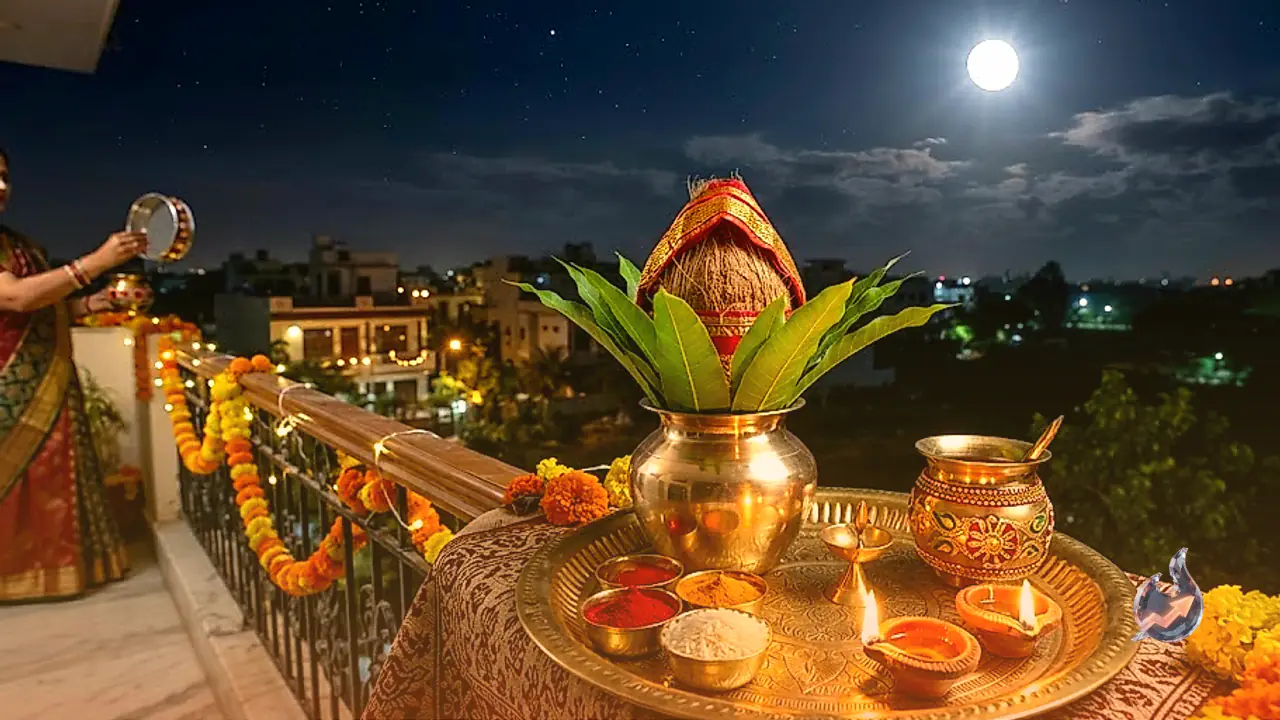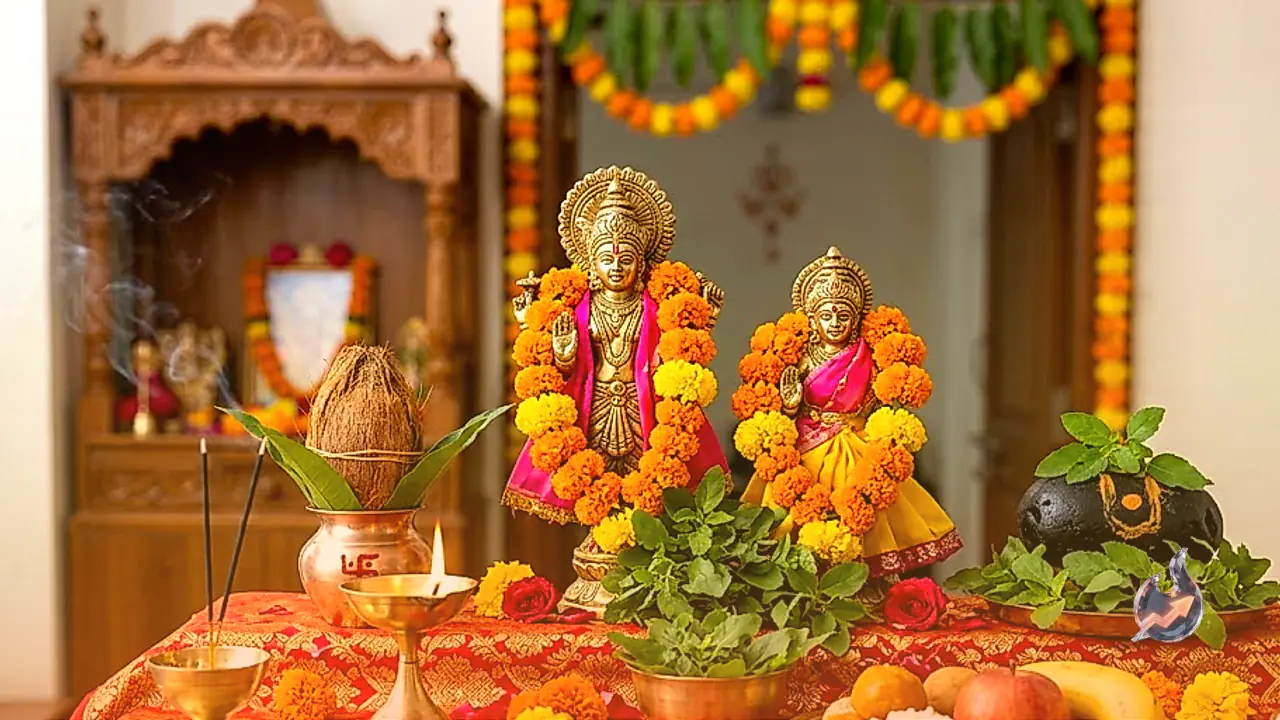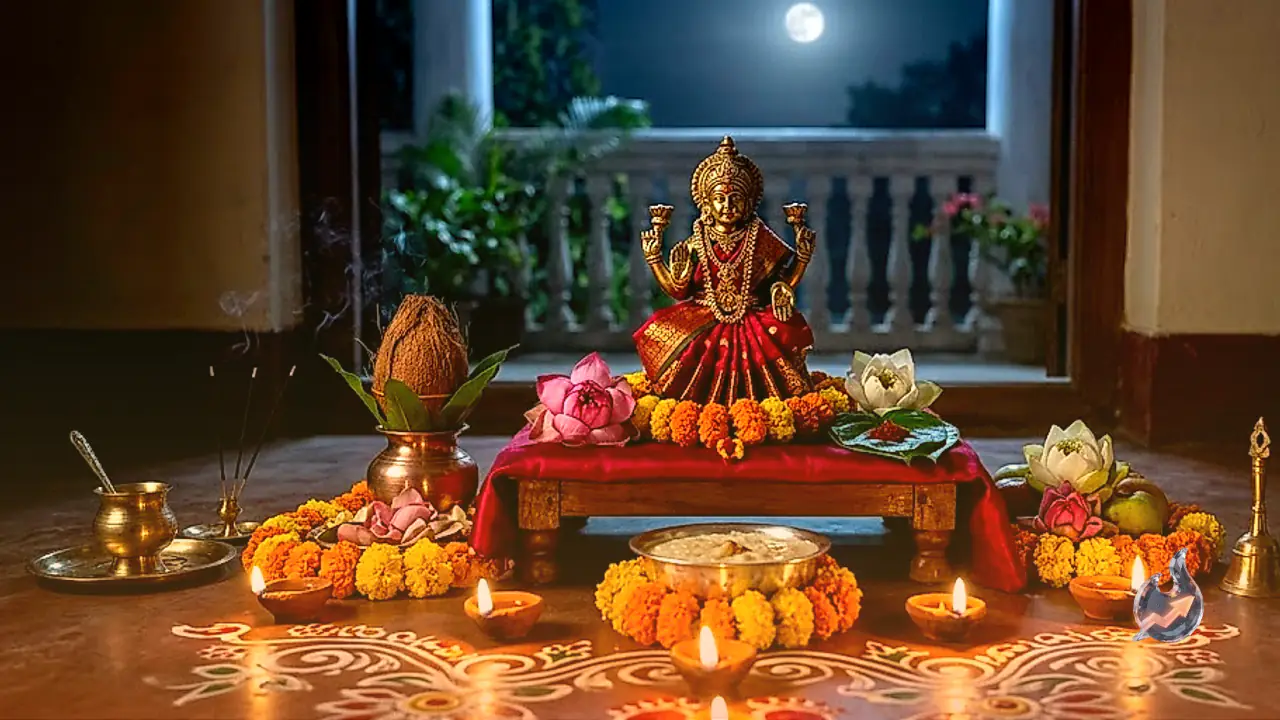





















Alongside observing a strict fast, conducting the ceremonial evening prayers, and making offerings to the moon upon its sighting, the custom of presenting Bayna to the mother-in-law holds deep significance during Karwa Chauth. For the year 2026, married women observe the sacred fast on Thursday, October 29. In domestic traditions, preparing a decorative plate of gifts serves as an expression of reverence, gratitude, and familial warmth toward the elder matriarch. For those arranging this auspicious offering, understanding the essential festive items and the underlying values of this ceremony is particularly helpful.
Understanding the Meaning of Bayna on Karwa Chauth
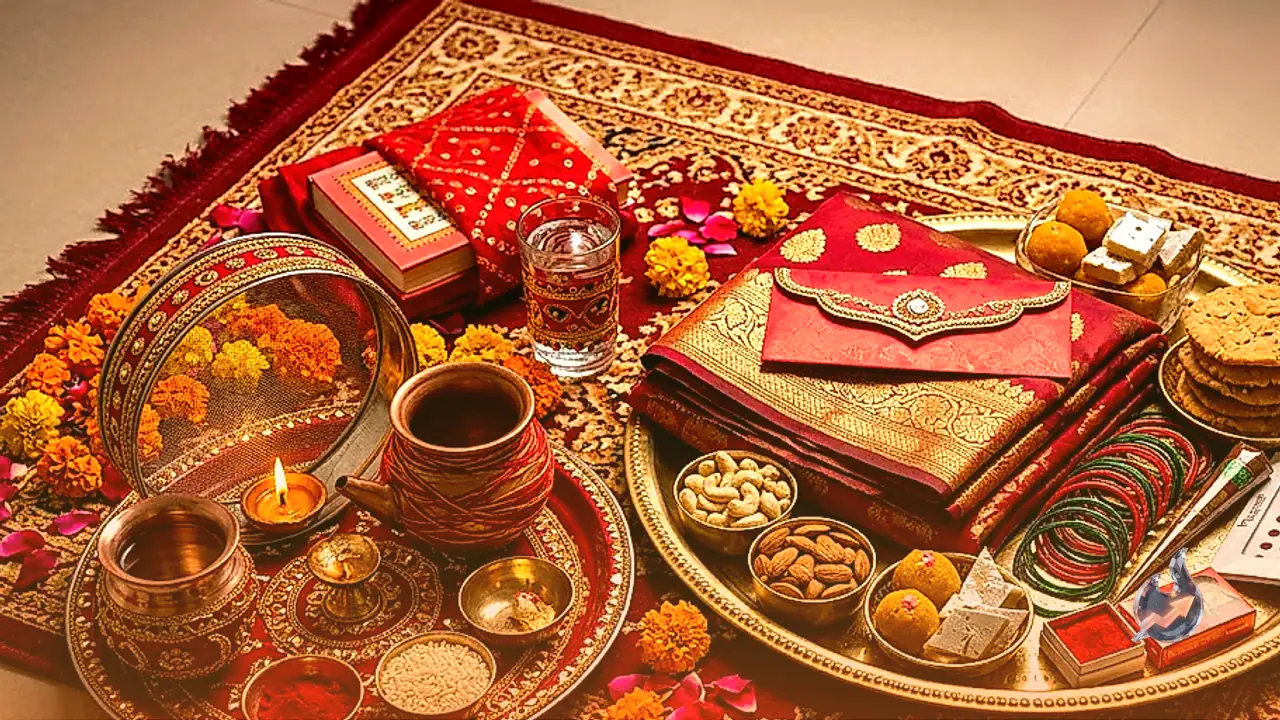
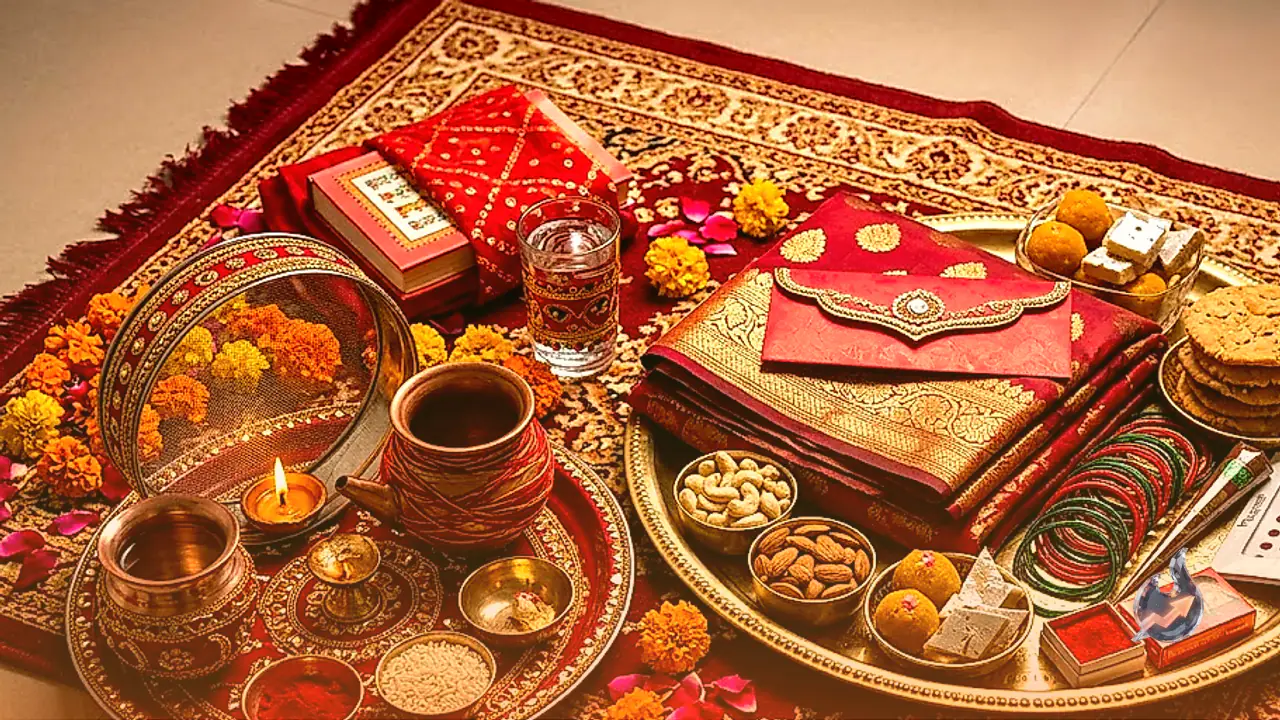
Within cultural and religious customs, Bayna is a ceremonial gift offered to a mother-in-law as a tangible gesture of deep respect, affection, and acknowledgment. Different communities and households observe distinct customs regarding its presentation. In certain households, the articles for Bayna are integrated directly into the central worship platter, whereas other customs call for arranging a separate, beautifully prepared festive plate exclusively for this purpose. The specific contents placed within the arrangement frequently reflect lineage traditions, regional practices, and domestic customs.
Essential Items to Include in the Offering Plate
When arranging the ceremonial plate, participants generally bring together garments, traditional adornments, sweets, fresh produce, and auspicious accessories. The traditional arrangement typically incorporates several key elements
- A carefully selected festive garment, such as a saree, an unstitched suit fabric, a blouse piece, or a festive chunri. In many customs, auspicious shades including bright red, warm yellow, or vibrant orange are given strong preference over darker hues.
- A comprehensive assortment of traditional grooming and adornment items representing marital auspiciousness, including glass bangles, bindi packs, vermilion, herbal mehndi, kohl, a styling comb, a pocket mirror, lipstick, and red mahawar.
- Depending on personal means and individual family preferences, personal ornaments such as silver anklets, toe rings, or other jewelry pieces can also be gracefully presented within the platter.
- Traditional confections form a crucial part of the offering, including classic mathri, besan or dry-fruit laddus, pedas, seasonal ghevar, or any preferred varieties of festive sweets.
- Fresh seasonal fruits alongside a whole brown coconut are included, with the coconut traditionally regarded across regional cultures as an emblem of completeness, purity, and divine favor.
- In adherence to regional household conventions, additional items such as fresh betel leaves, roli, ceremonial kumkum, fragrant blossoms, and an embroidered handkerchief may also be incorporated into the plate.
Sacred Ritual Supplies and Auspicious Monetary Tokens
In many family traditions, the articles included in the Bayna are paired directly with core items utilized during the Karwa Chauth worship ritual itself. This often encompasses the ritual clay or metallic pitcher known as the karwa, ceremonial dry grass reeds, the illustrated festive calendar, and traditional sugar confectionery known as choora-gatta. Furthermore, placing an auspicious sum of money in cash upon the plate remains a widespread and cherished custom intended to invoke prosperity and goodwill.
The Emotional Significance and Value of the Tradition
Beyond its ceremonial formalities, this presentation functions as a meaningful medium to strengthen mutual understanding, respect, and emotional bonding between a mother-in-law and daughter-in-law. By presenting the curated offering and seeking elders' blessings through respectful salutation, the daughter-in-law honors the senior generation. In return, the mother-in-law imparts heartfelt wishes for lasting companionship, marital bliss, and prosperity. In this time-honored ritual, the genuine feelings of affection and preservation of family harmony far outweigh the material expenditure or monetary worth of the gifts.