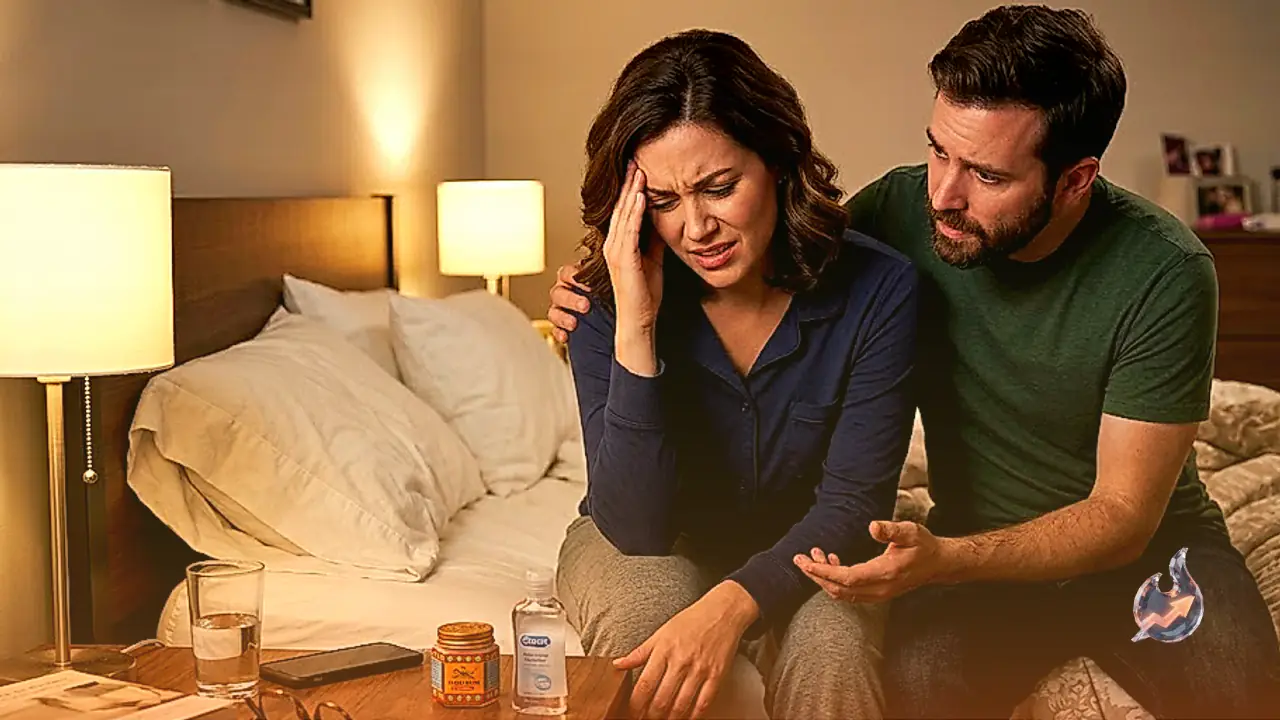
























The approach of a wedding date typically brings an atmosphere of joy, shopping, and intense excitement about starting a new chapter of life. During the initial phases of romance, the human body releases higher levels of happy hormones like dopamine and oxytocin, which often makes everything about a partner seem wonderful while masking their flaws. However, marriage is a lifelong commitment rather than a single-day celebration, making it essential to evaluate a relationship with a clear and open perspective before making the final leap.
New York-based divorce attorney James Sexton, who has witnessed thousands of dissolving relationships throughout his professional career, points out that there are specific warning signs before marriage that should never be overlooked. If these indicators are neglected in time, the relationship may face severe difficulties down the road. He emphasizes two critical factors that every couple should evaluate carefully.
Do Not Take Substance Habits Lightly
During an appearance on a podcast, James Sexton explained that one of the biggest red flags in his professional experience is a person's tendency toward alcohol, drugs, or any form of chemical dependency. Initially, many individuals brush this off as merely partying with friends or occasional indulgence, but Sexton points out that such habits are often masking deeper emotional turmoil, stress, or depression.
According to his observations, if substance habits are visible early on, they tend to escalate significantly when the responsibilities of marriage and family life increase. This trajectory ultimately impacts the relationship's stability, the household financial health, and the mental peace of everyone involved, creating profound friction over time.
The Way Someone Apologizes Reveals Their Character
The second major red flag highlighted by Sexton involves a partner who avoids taking accountability for their mistakes or offers superficial apologies. The true nature of a person can often be measured by how they handle culpability, as many people tend to shift blame during disputes rather than offering a genuine acknowledgment of fault.
This defensive pattern gradually fosters resentment and emotional distance within a partnership. While disagreements are a normal part of any shared life, a refusal to admit wrongdoing erodes trust and communication entirely. A sincere apology requires a person to fully acknowledge the hurt caused, take responsibility for their actions, and express a genuine commitment to changing that behavior in the future.
Making Informed Decisions Before the Wedding
A stable career, a pleasant personality, or a good family background alone cannot guarantee a successful partnership. It is equally vital to observe how a prospective partner handles adversity, whether they acknowledge their mistakes, and if they struggle with any hidden addictions. When a partner demonstrates emotional accountability in these areas, the foundation for long-term trust and marital strength is substantially reinforced.