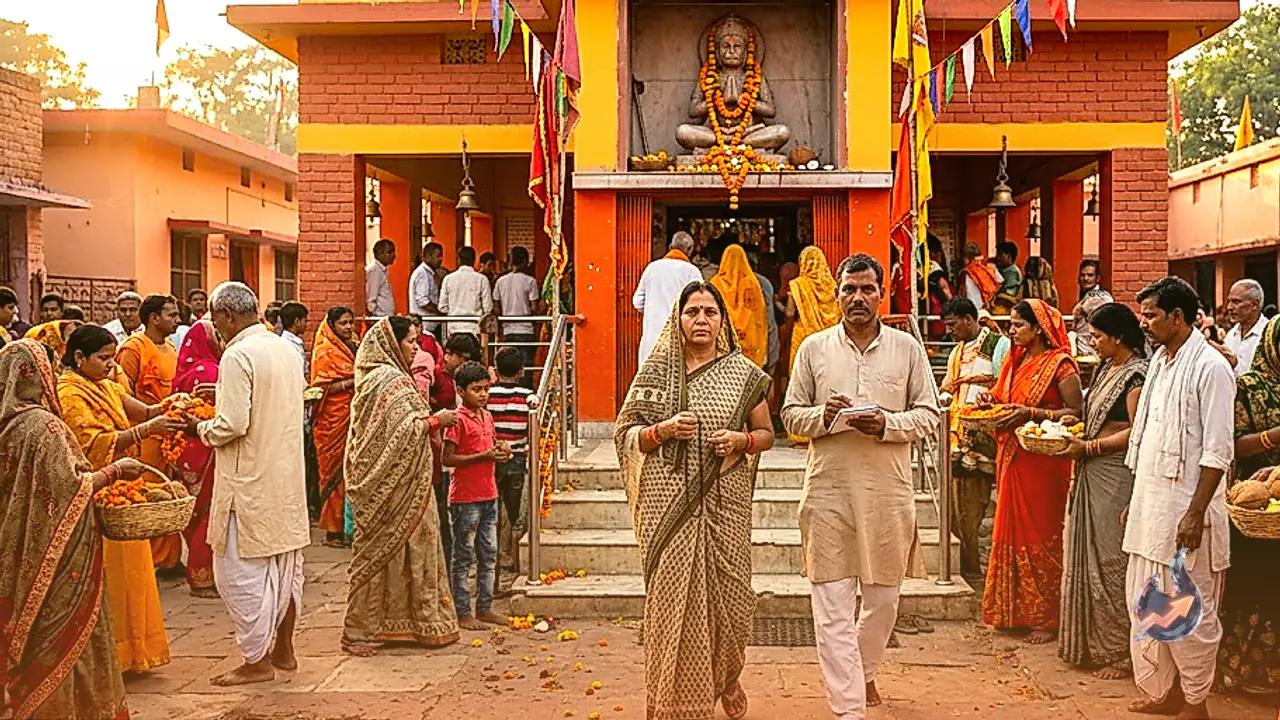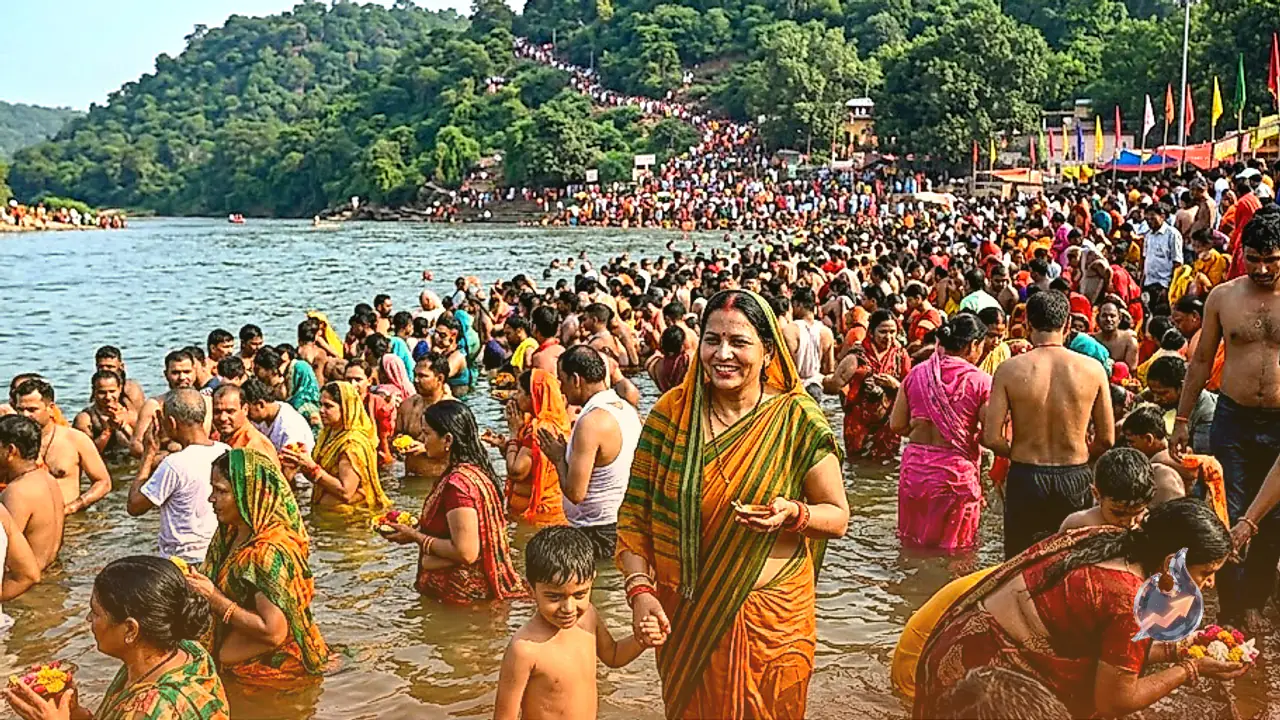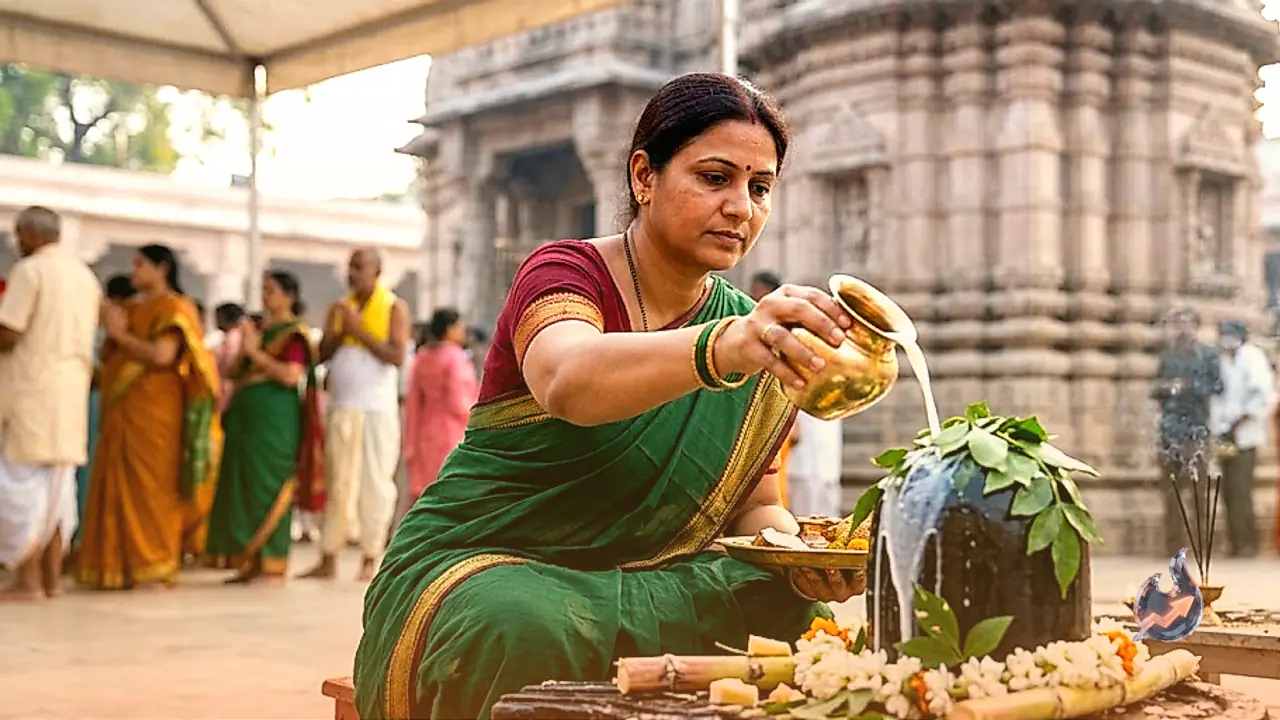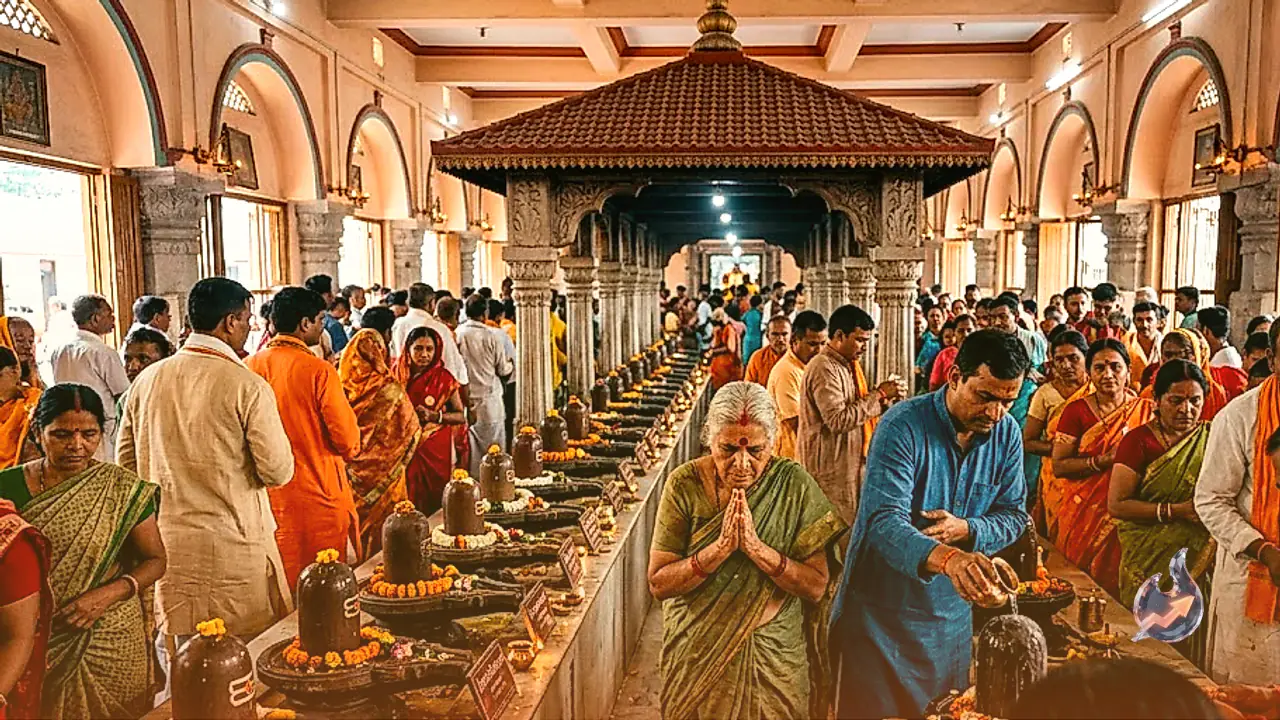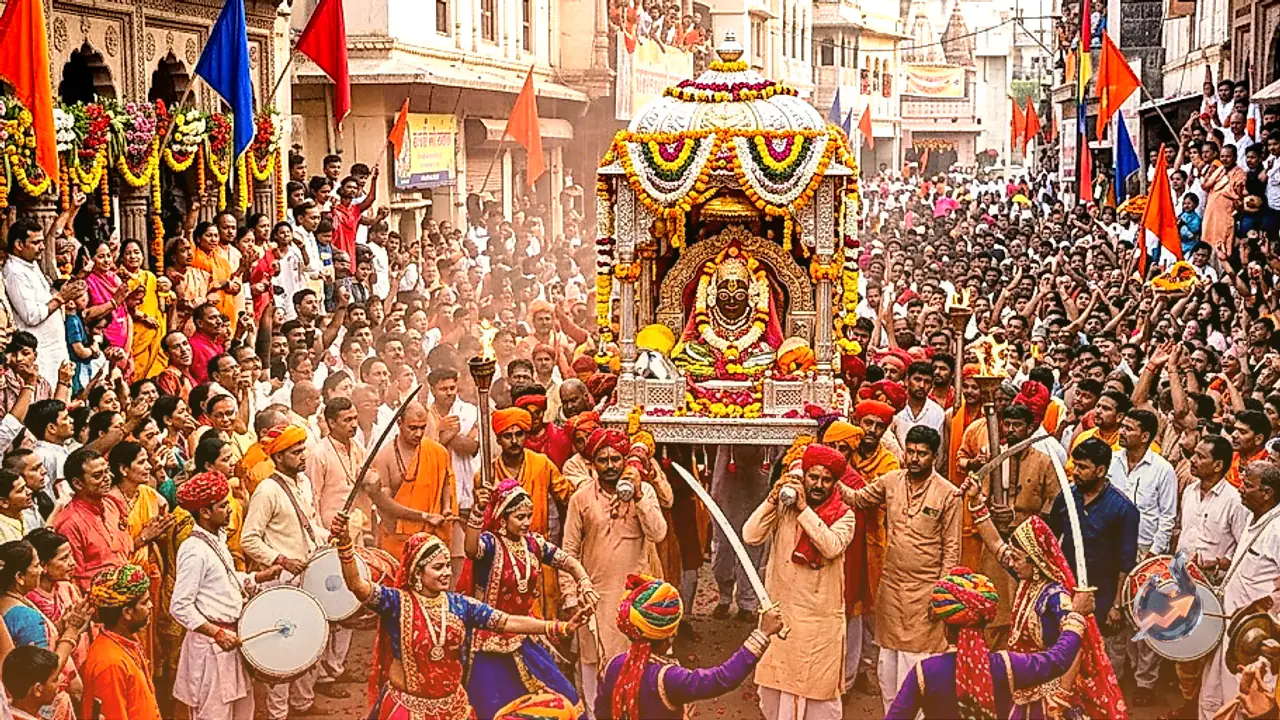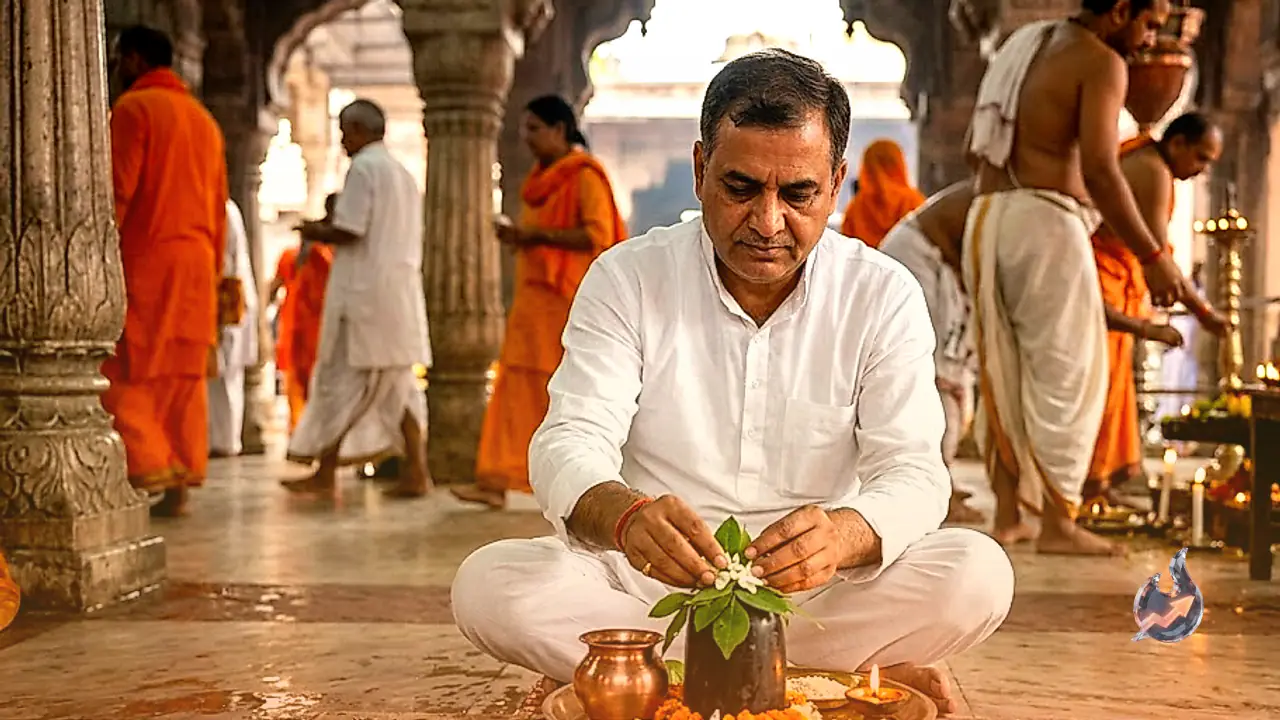



















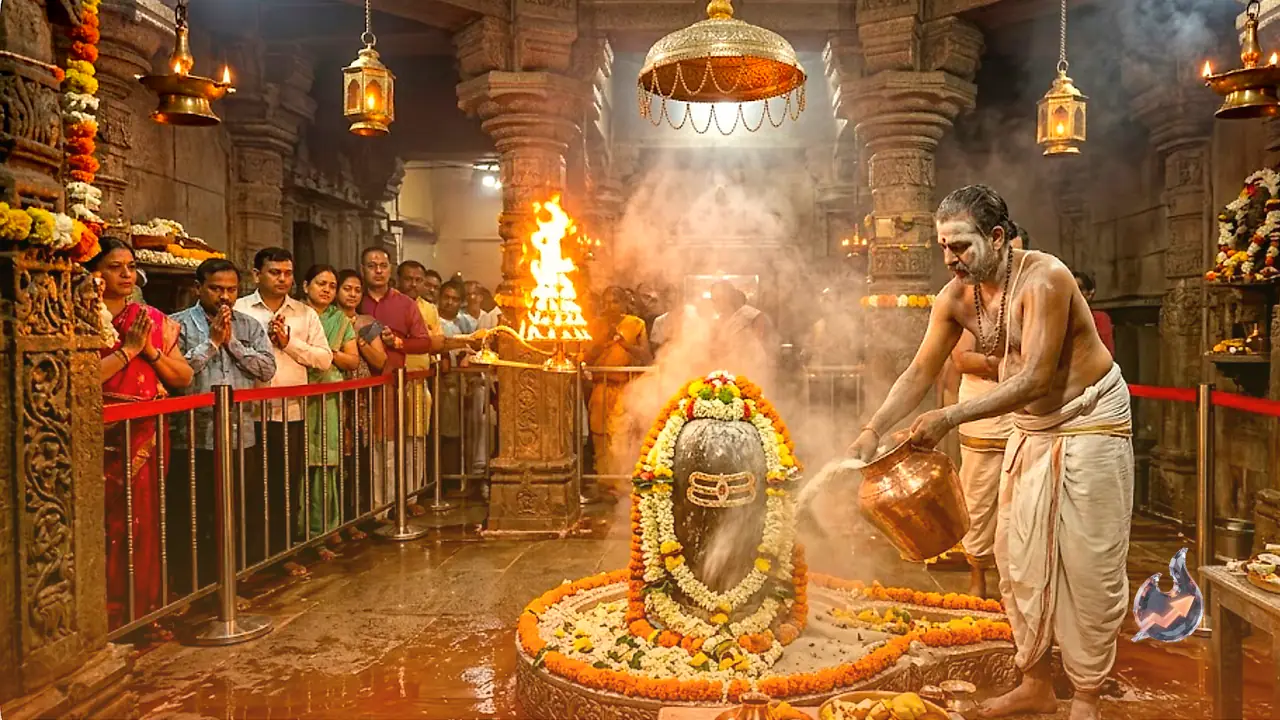

At the renowned Jyotirlinga Shri Mahakaleshwar Temple in Ujjain, Madhya Pradesh, a grand Bhasma Aarti and Shringar Darshan took place during the Brahma Muhurta on Sunday, June 28, 2026. A large number of devotees gathered on this occasion, filling the temple premises with chants of 'Jai Mahakal' and 'Har Har Mahadev.' The attendees experienced a profound sense of faith and devotion while catching a glimpse of the divine image of Lord Mahakaleshwar. Many devotees offered prayers for peace and prosperity in their lives, later accepting the holy prasad after the completion of the ritual.
Daily Rituals and Traditions at Mahakaleshwar
In the routine of Shri Mahakaleshwar Temple, Lord Mahakal is honored with six daily aartis. The Bhasma Aarti stands out as the most prominent, drawing lakhs of devotees from across India and various parts of the world to Ujjain. During this early morning ritual, the deity is adorned in the 'Ghata Top' form. The essence of the Bhasma Aarti involves the use of a cotton cloth, which is tied and used to scatter ash over the deity of Shri Mahakaleshwar to complete the ceremony. It is a deeply held belief among followers that visiting Juna Mahakal is an essential step to complete the pilgrimage after viewing the main deity.
Revised Booking Regulations for Bhasma Aarti
To enhance convenience and ensure complete transparency for the public, the temple administration has implemented significant changes to the booking rules for the famous Bhasma Aarti. Under the new system, any individual can now register to attend the Bhasma Aarti only once within a three-month period using a single mobile number.
Implementation of the New Policy
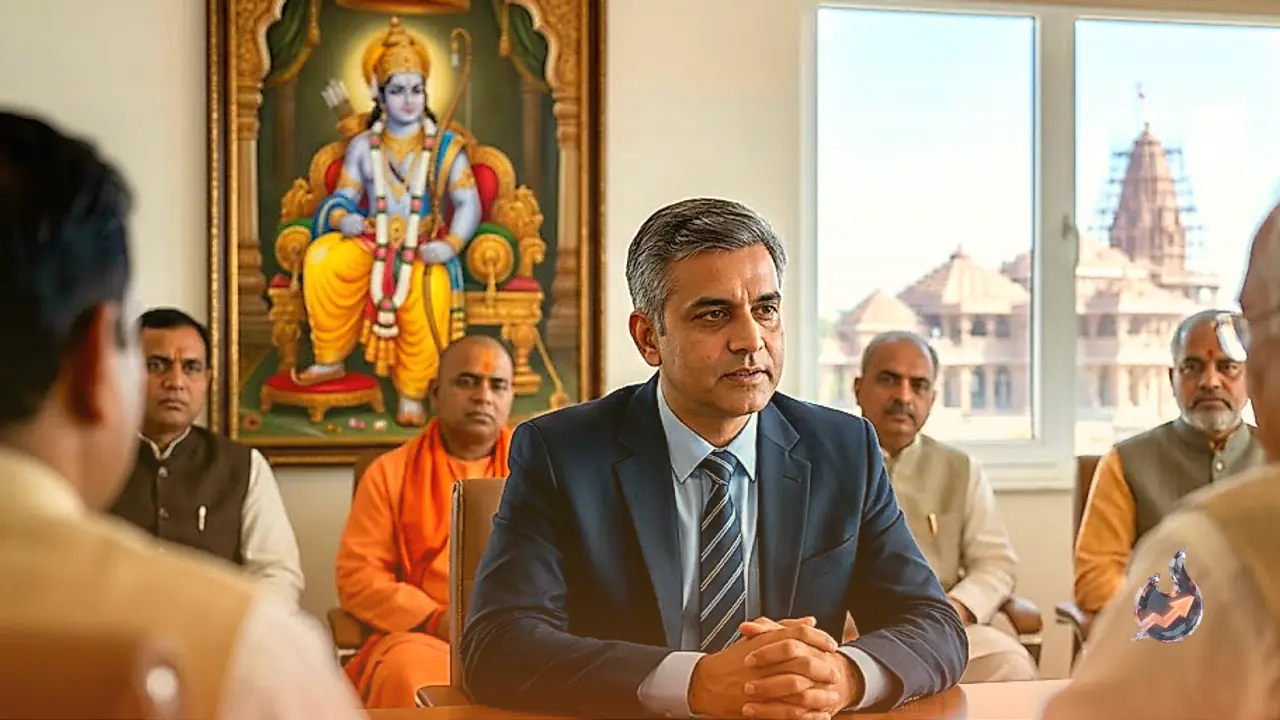
The temple administrator, Pratham Kaushik, stated that this rule applies uniformly to all devotees. He emphasized that even those arriving under the protocol quota are required to adhere to these restrictions. The administration aims to provide the opportunity to participate in the Bhasma Aarti to as many distinct devotees as possible through this systematic approach.
Background of the Decision
The policy limiting attendance to once every three months was originally introduced in 2024. At that time, the then-Collector Neeraj Kumar Singh made the decision in response to persistent grievances from devotees. The complaints highlighted that some individuals were repeatedly booking slots, which prevented other interested pilgrims from getting a chance to witness the ceremony. The introduction of this booking restriction was the administration's solution to ensure fair access for everyone.