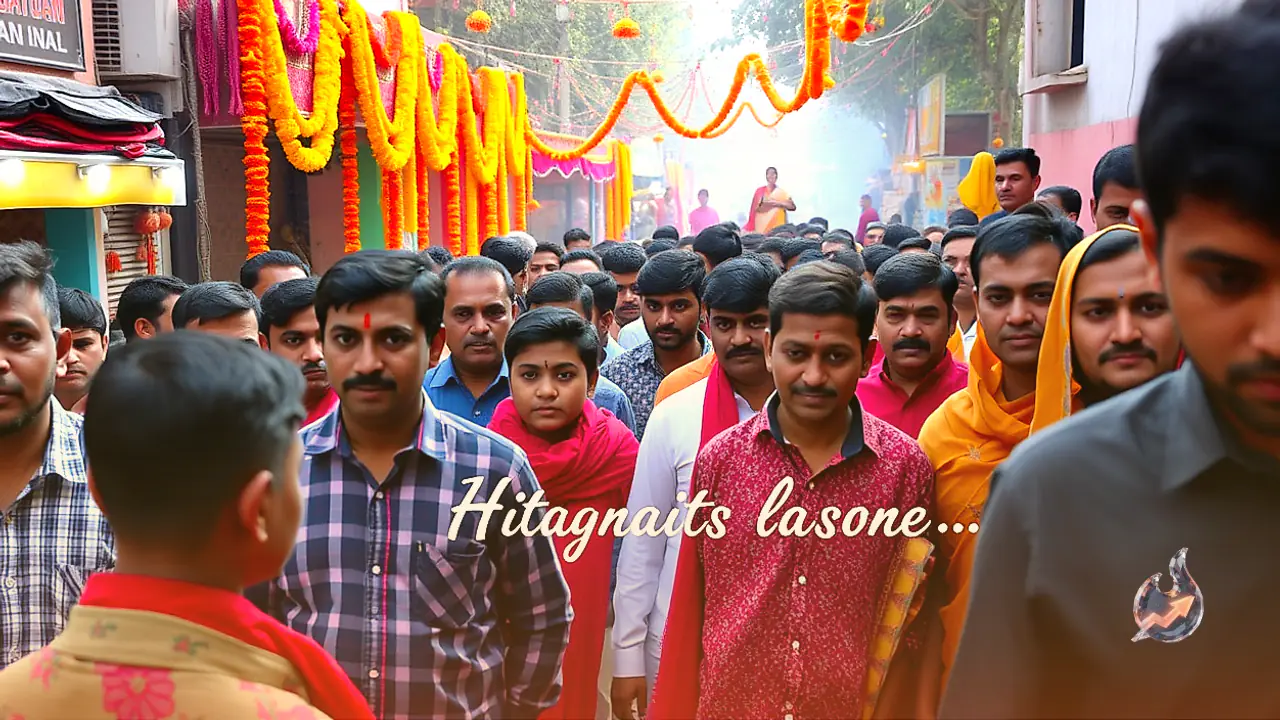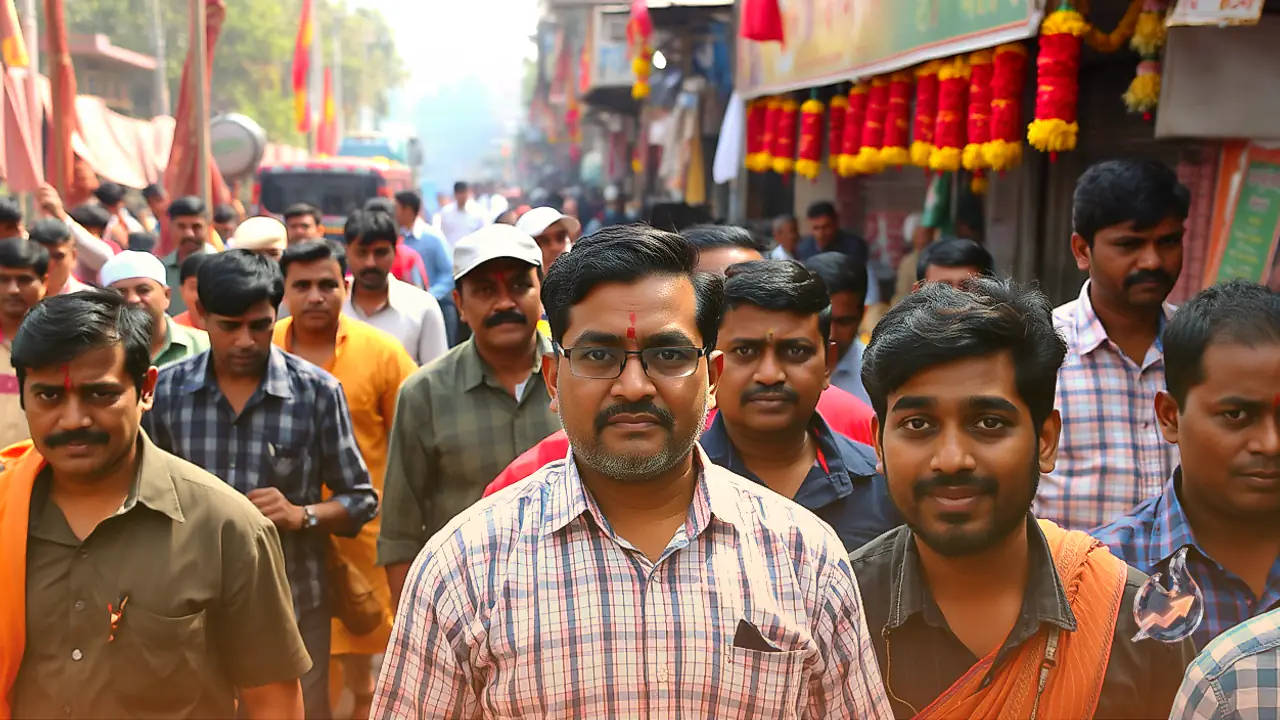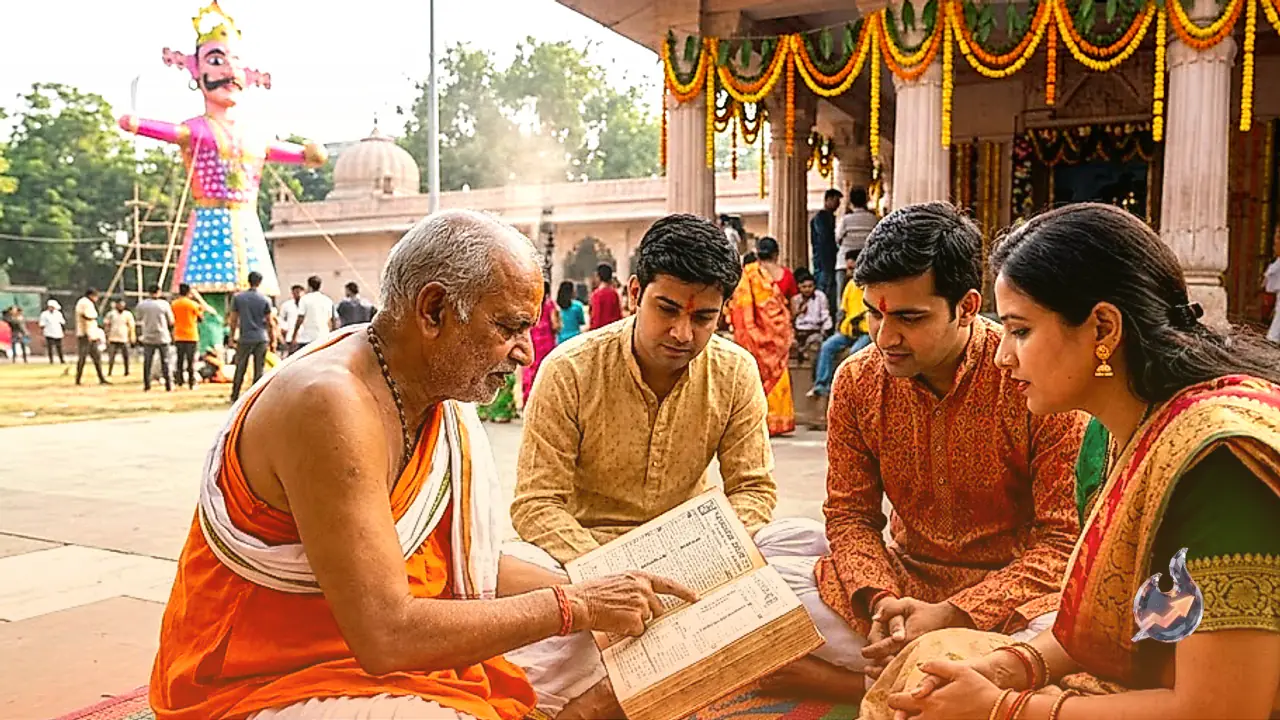


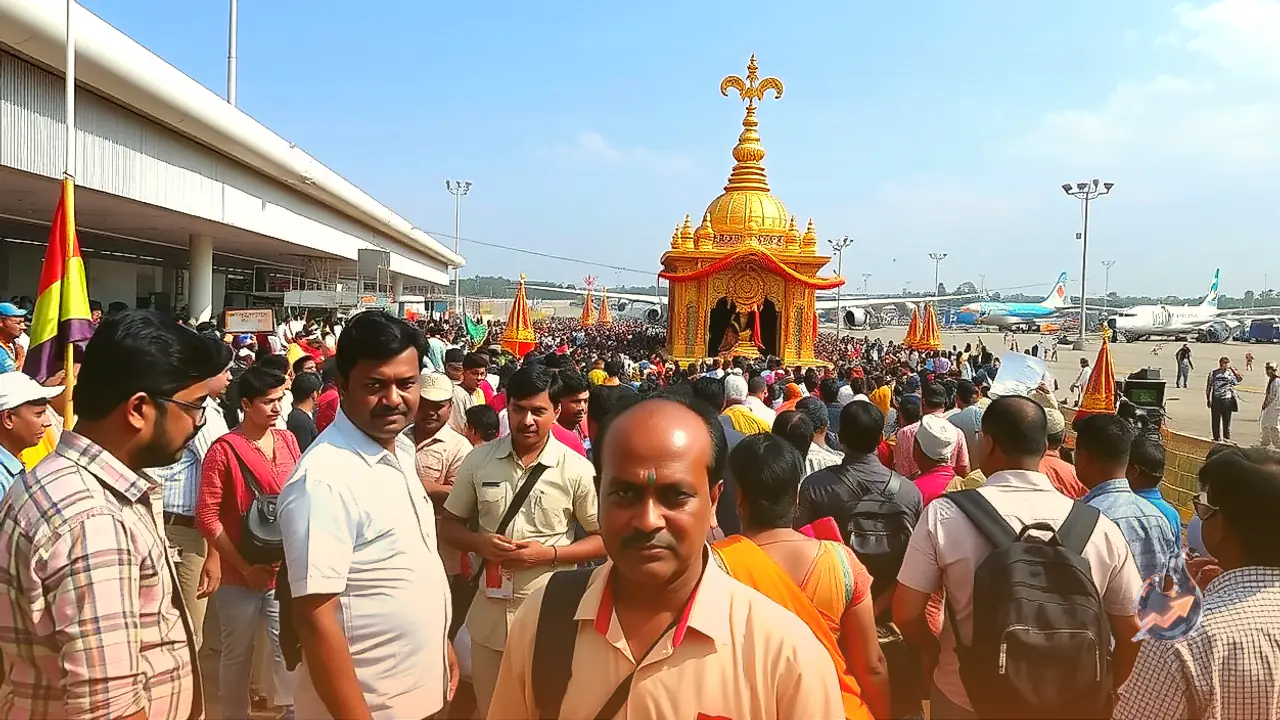















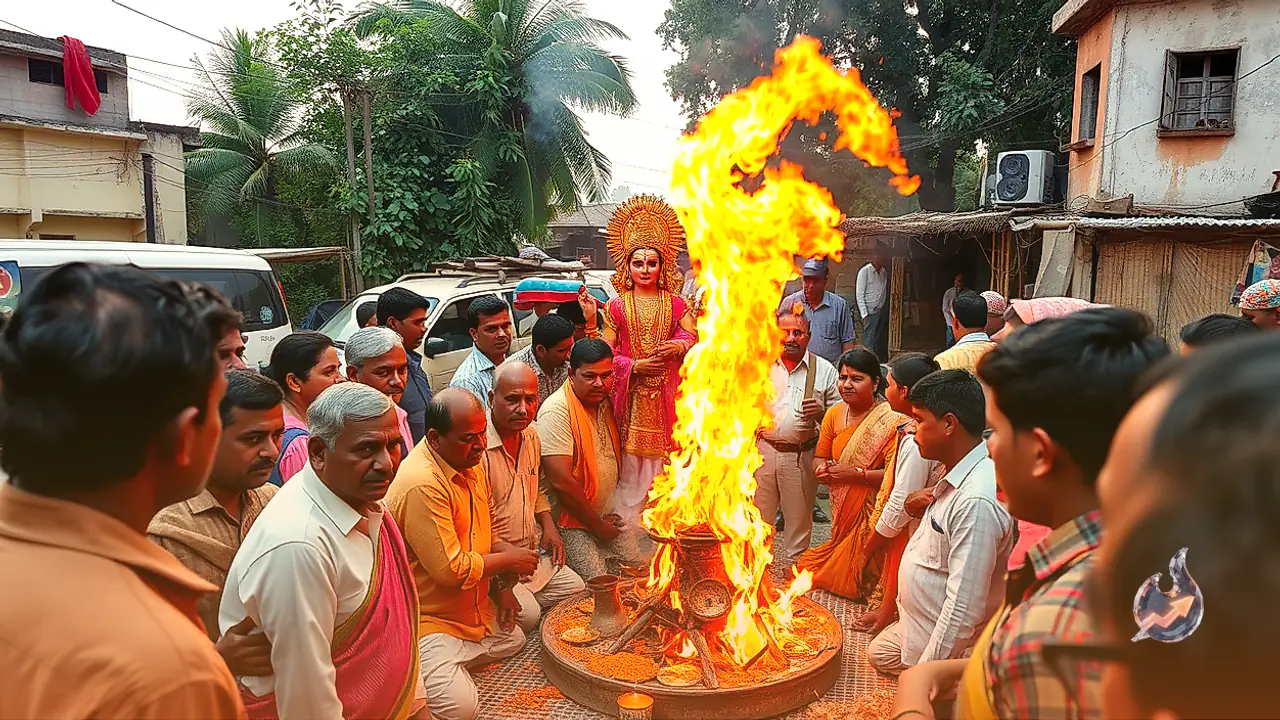

Across India, the festival of Vijayadashami is widely observed to commemorate the triumph of righteousness over malice and virtues over vices. According to classical Hindu scriptures, this auspicious day marks the historic battle where Lord Rama defeated the demon king Ravana, while also celebrating Goddess Durga's conquest over the demon Mahishasura. In almost every corner of the country, towering paper and bamboo effigies of Ravana are set ablaze during evening festivities. However, Indian cultural geography contains fascinating exceptions where standard practices are entirely inverted. One such striking custom thrives in Sangola, a modest settlement located within the Akola district of Maharashtra, where villagers gather to perform sacred rituals and offer prayers to Ravana instead of burning his likeness.
The Ten-Headed Sovereign at the Entrance
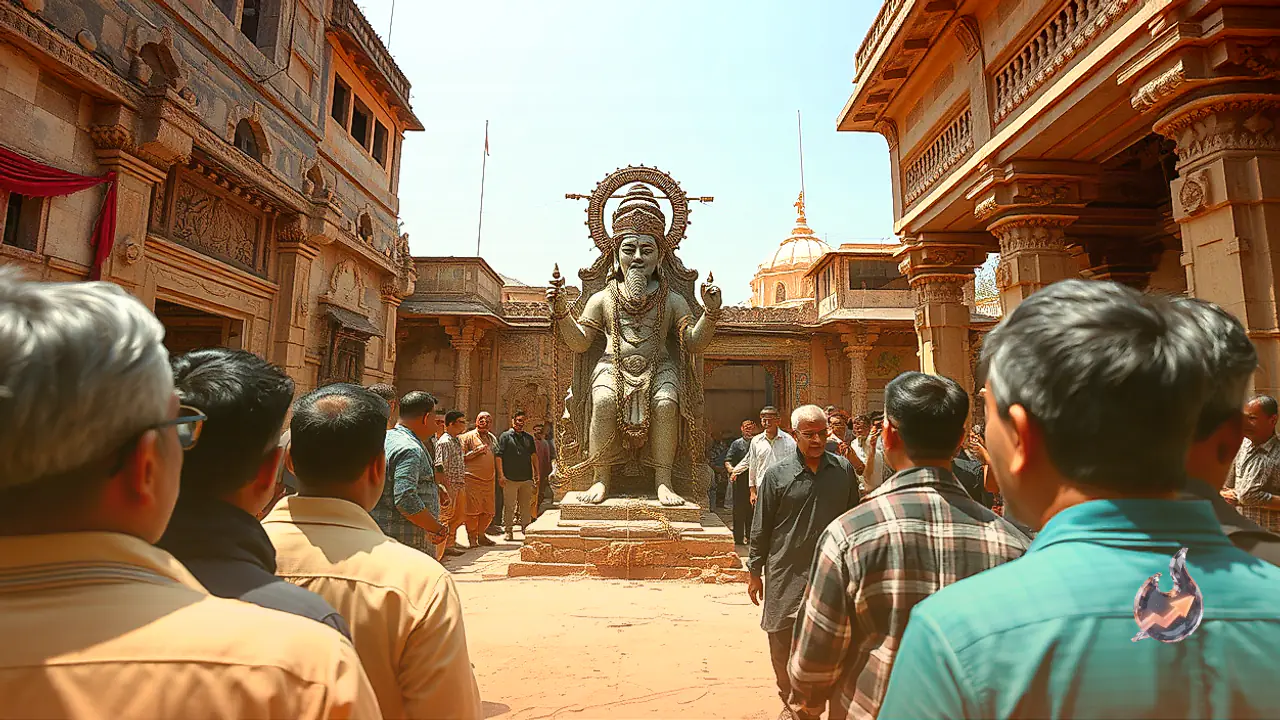
Situated roughly 40 kilometers from the district headquarters of Akola, Sangola has earned widespread attention for its age-old festival ritual. While the rest of the nation watches effigies go up in smoke, the inhabitants of this village assemble for an elaborate puja and maha aarti. Right at the gateway of the village stands a dedicated shrine featuring a commanding statue of Ravana carved entirely from a single rock. The sculpture presents him in his classical form as a ten-headed monarch armed with various traditional weapons. The imposing craftsmanship reflects imperial authority, reminding visitors of Ravana's immense scholarship, mastery of scriptures, and regal discipline rather than solely focusing on his misdeeds.
Looking Beyond Faults to Honor Wisdom
The philosophical conviction driving this practice is deeply rooted in local thought. Villagers point out that although Ravana succumbed to certain severe moral shortcomings that ultimately caused his downfall, he was simultaneously a profound scholar, an accomplished devotee, and a ruler of extraordinary capability. The residents of Sangola believe that humanity benefits far more by discarding vices while absorbing the wisdom and positive traits of an individual. Rather than reducing a multifaceted mythological figure to pure villainy and hatred, the community has maintained a centuries-old custom of acknowledging his intellectual stature and celebrating his virtuous attributes through reverent devotional service.
The Sacred Journey From Chikhal
Local lore places the origin of the shrine between 200 and 300 years in the past. According to community elders and local residents, the idol was originally sculpted in Chikhal, a neighboring locality situated not far from Sangola. After the monolithic sculpture was completed, the intention was to transport it across the area to another designated destination. The heavy stone sculpture was mounted on a conventional bullock cart to make the journey. However, as the cart approached the river flowing near the periphery of Sangola, the cart suddenly came to a complete halt and could not be advanced despite persistent efforts by the handlers.
Establishment of the Shrine and Weekly Rites
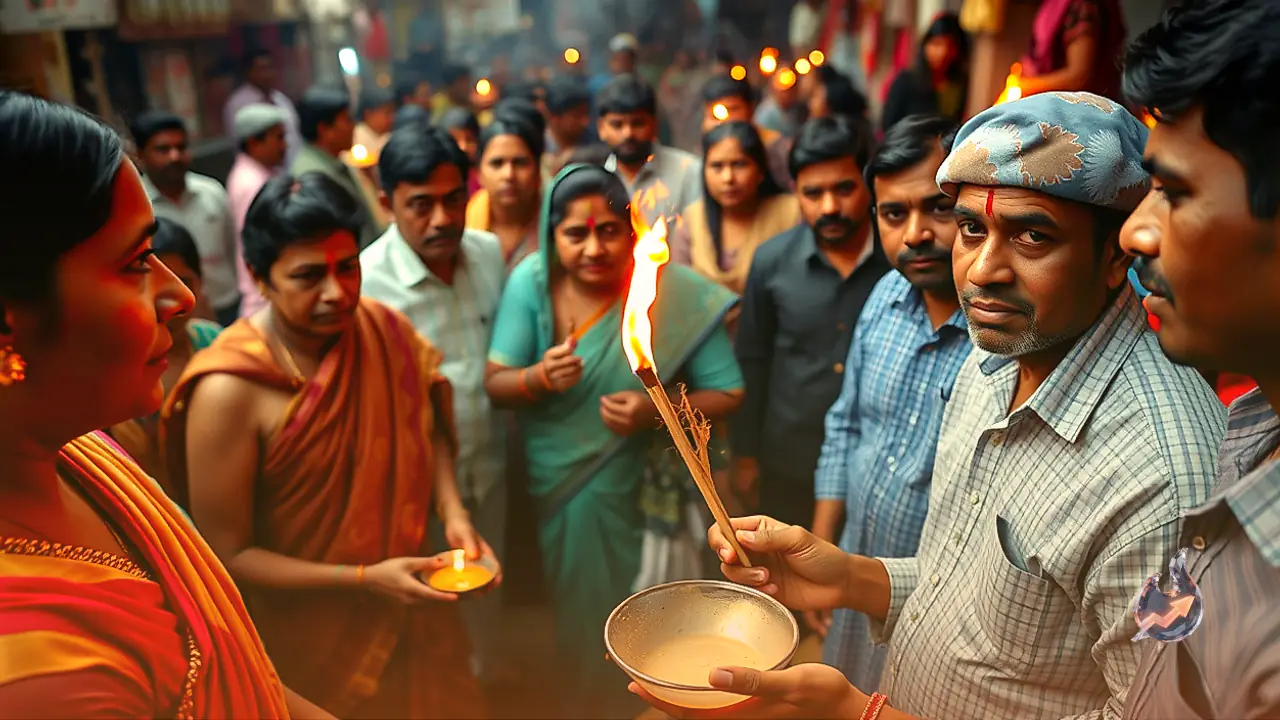
Interpreting the sudden immobility of the transport as an unmistakable omen, the local populace resolved to enshrine the statue right at the outer entrance of the settlement. Ever since that pivotal moment, daily ritual care has been provided without interruption. Resident priest Balkrishna Jadhav explains that the stone carving carries hundreds of years of uninterrupted heritage, a narrative passed down to him directly by his preceptor. The priest notes that routine services occur daily, but Saturdays entail a distinct ritual protocol where the idol is ceremonially anointed with pure coconut oil alongside fragrant incense, lit lamps, and prayer sticks. During Vijayadashami, this devotion culminates in a grand village-wide gathering marked by traditional hymns and the climactic maha aarti.