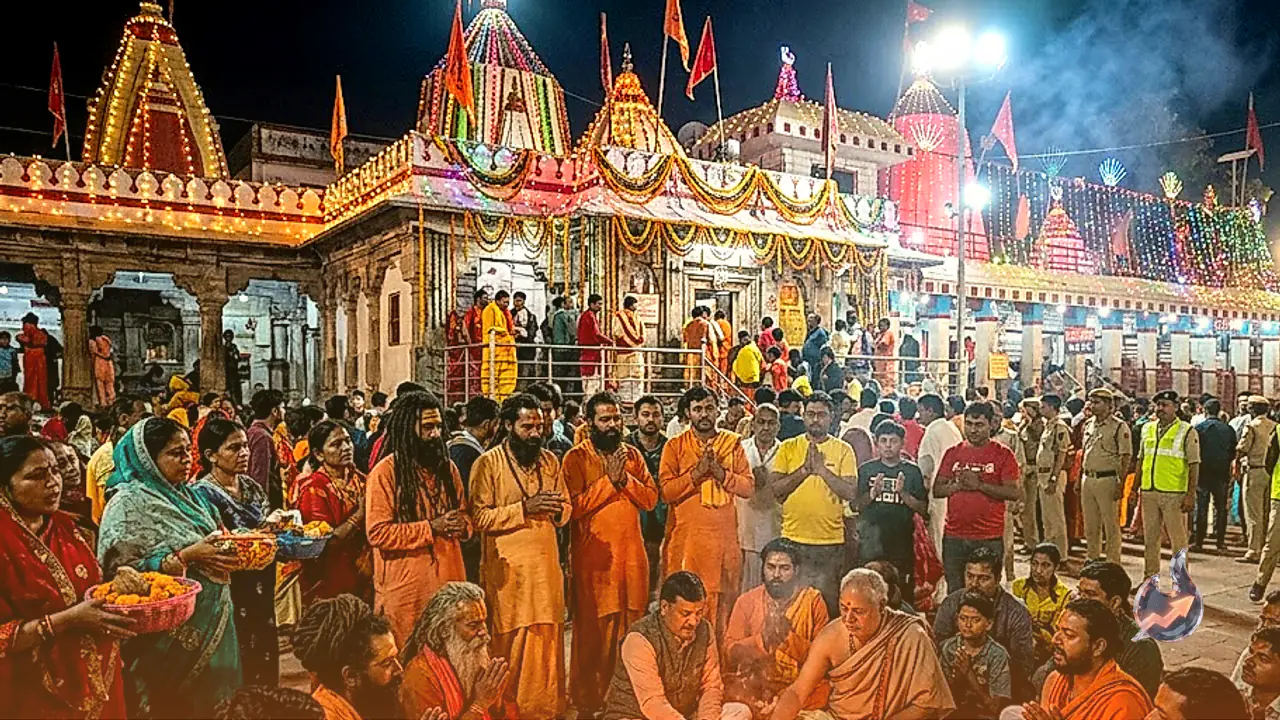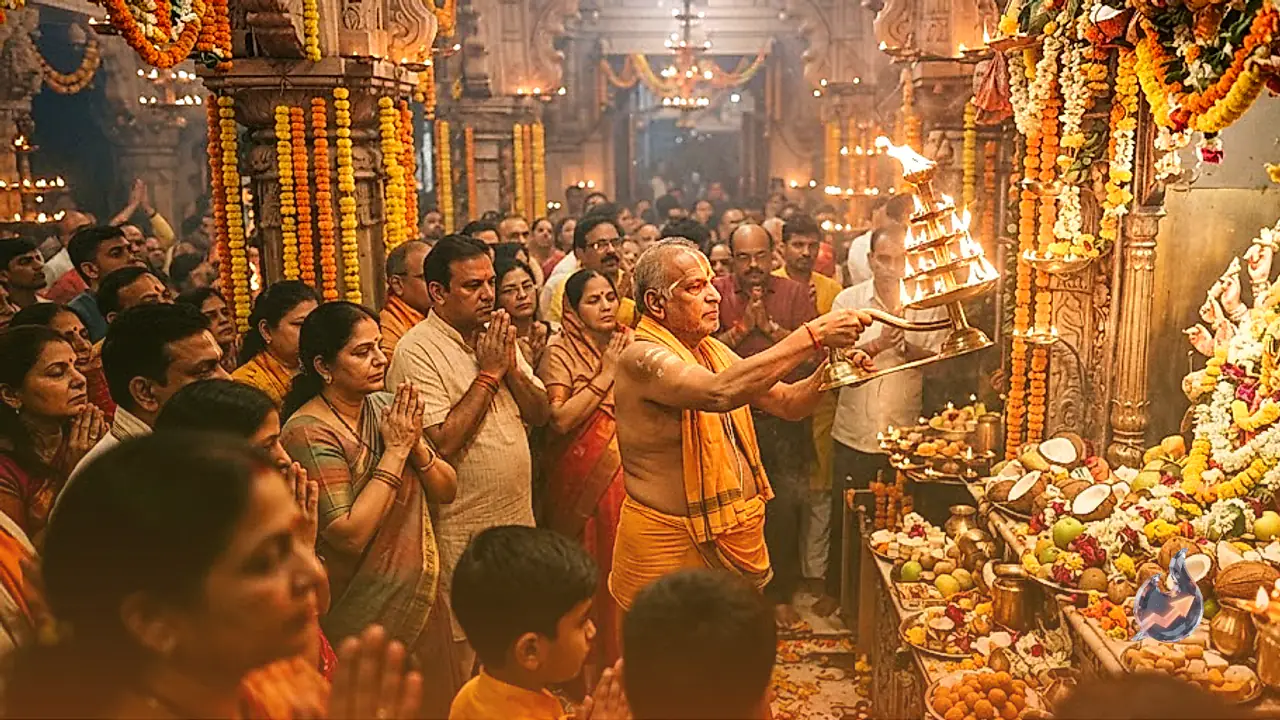




















The concluding ninth day of Shardiya Navratri, observed as Maha Navami on 19 October 2026, marks the sacred worship of Maa Siddhidatri, the final form among Goddess Durga's nine incarnations. The name Siddhidatri translates to the giver of supernatural perfections, where siddhi denotes mystical accomplishments and datri means the bestowal of gifts. The Markandeya Purana outlines eight primary siddhis, namely Anima, Mahima, Garima, Laghima, Prapti, Prakamya, Ishitva, and Vashitva. Devout worship of the Goddess on this culmination day is believed to remove spiritual hindrances and grant seekers these rare mystical endowments.
The Iconography and Celestial Weapons of Siddhidatri
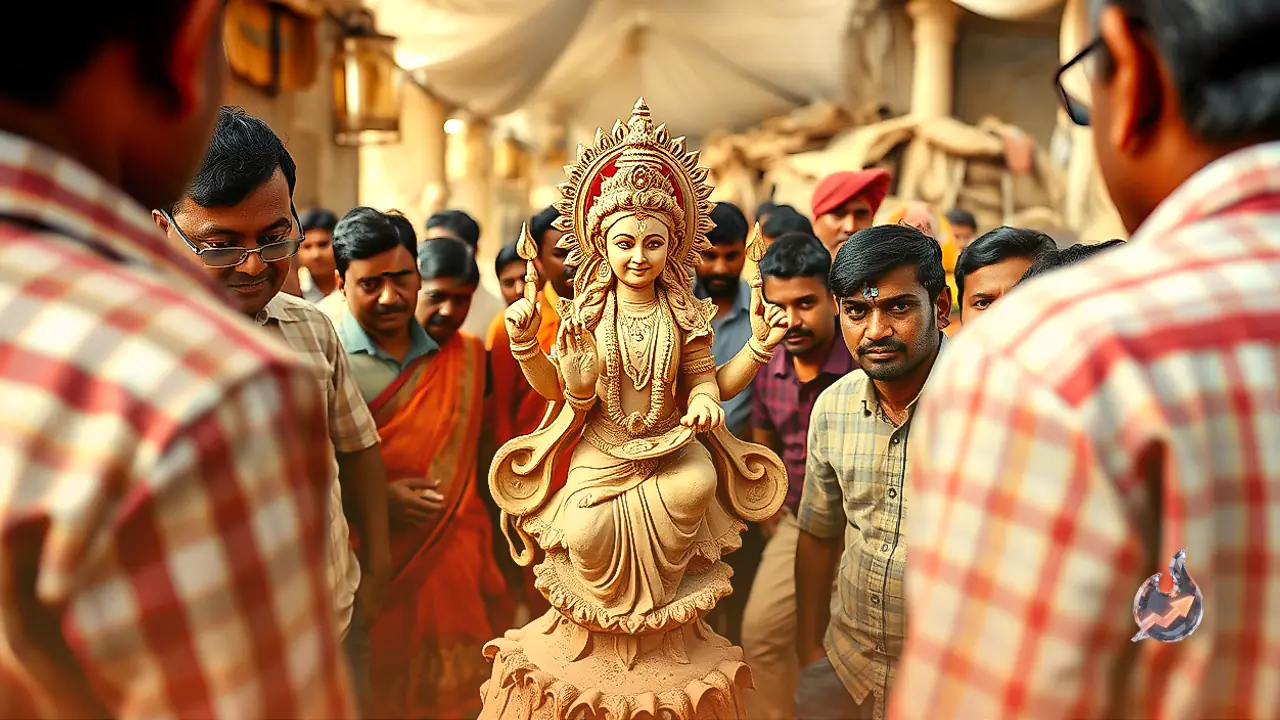
Maa Siddhidatri is depicted with an aura of immense grace, dressed in radiant red garments and seated upon a fully blossomed lotus flower. She possesses four arms carrying divine accoutrements that symbolize cosmic balance and authority. In her upper right hand, she holds a sacred conch shell, while her lower right hand rests holding a tender lotus flower. Her upper left hand wields the celestial discus, and the lower left hand holds a mace. This four-armed manifestation reflects absolute mastery over time, preservation, and spiritual strength, offering divine reassurance to her devotees.
The Creation Legend and the Origin of Ardhanarishvara
Ancient scriptural accounts reveal that prior to the origin of the cosmos, nothing existed except absolute darkness. During this primordial state, Lord Shiva undertook rigorous austerities dedicated to Adi Shakti to awaken the cosmic energy needed for universal creation. Pleased with his unwavering penance, the supreme Goddess manifested in two forms, one of which was Maa Siddhidatri. Through her benevolent blessings, Lord Shiva was conferred all eight paramount siddhis, which equipped him to participate in cosmic sustenance.
As a result of this divine grace, Lord Shiva's body merged with the feminine energy, transforming one half into the Goddess while the other remained Shiva. This union established the revered form of Ardhanarishvara, demonstrating that masculine and feminine principles are fundamentally inseparable. The cosmic order depends entirely on the harmonious coexistence of Shiva and Shakti, showing that consciousness cannot operate without dynamic power.
Kanya Pujan Traditions and Sacred Offerings
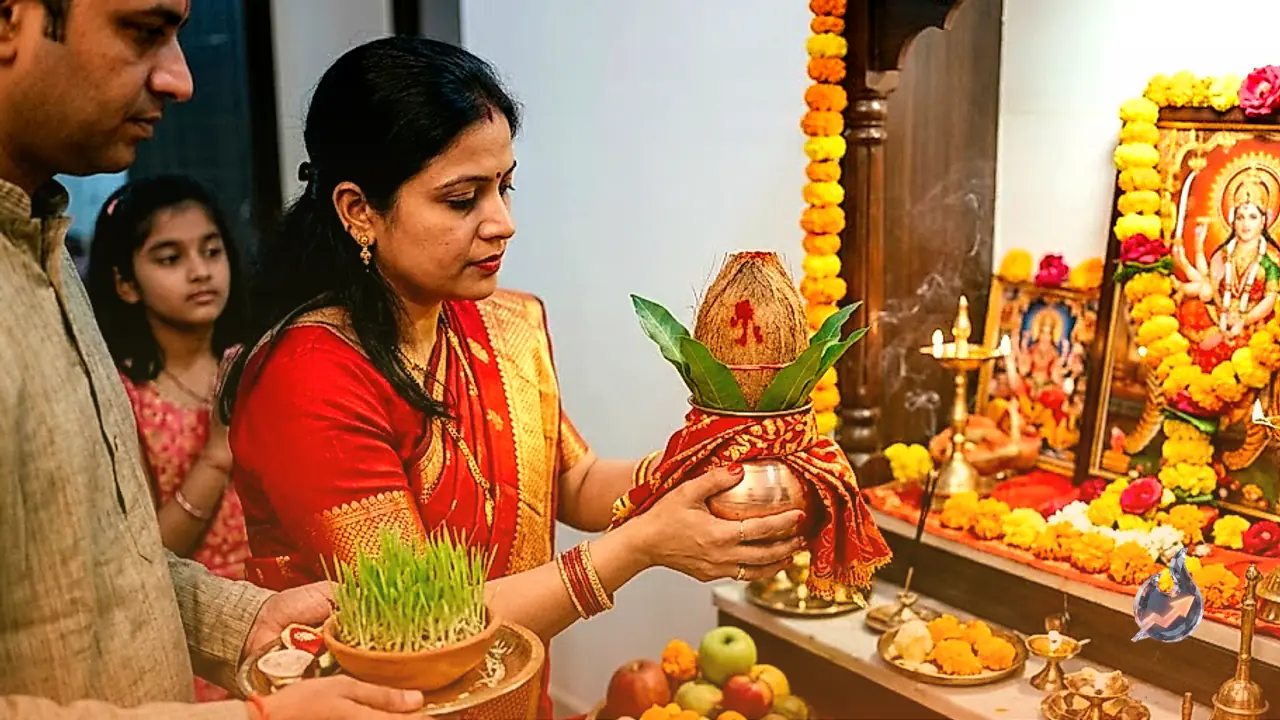
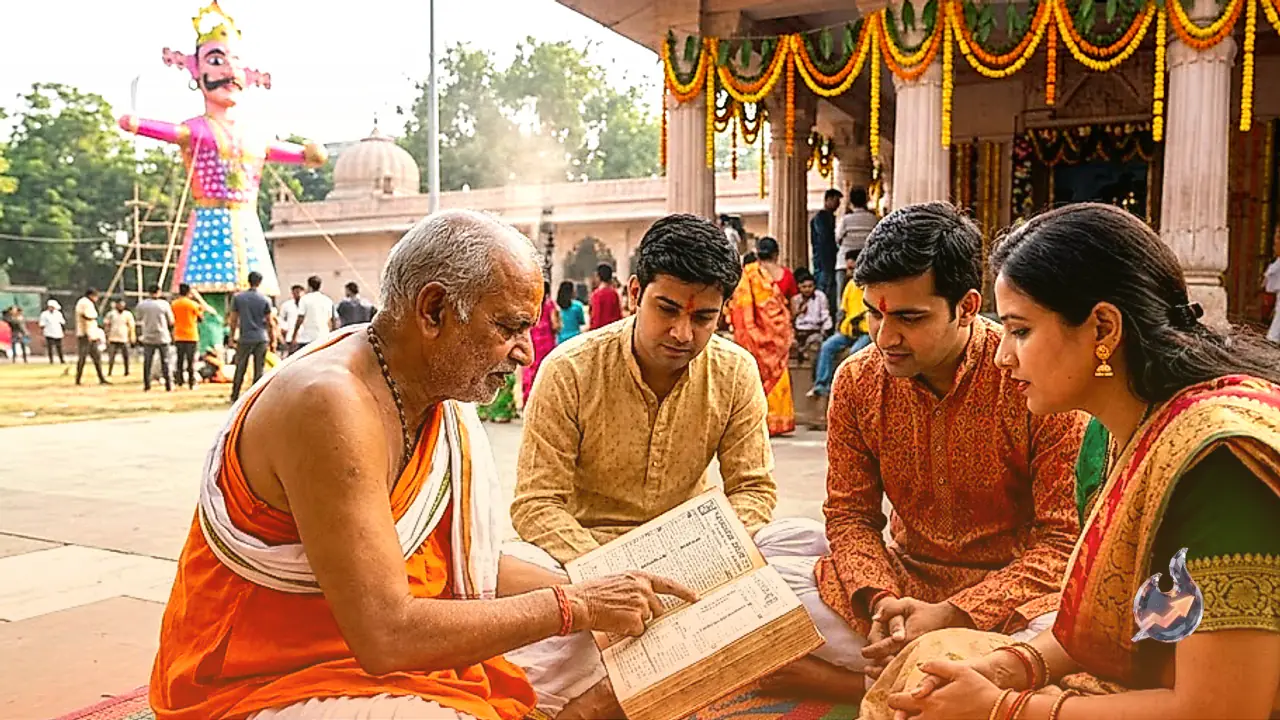
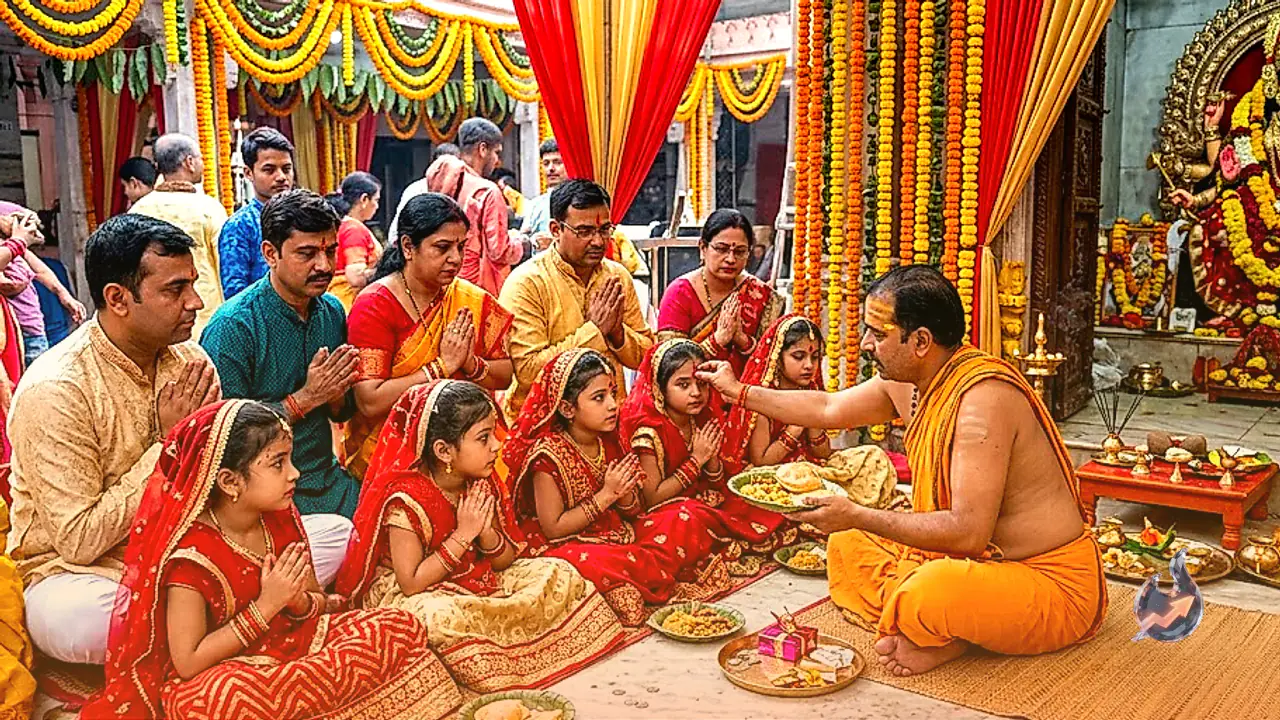
The observance of Maha Navami is inextricably linked with Kanya Pujan, also commonly referred to as Kanjak Puja. On this occasion, young girls are invited into households as living embodiments of Goddess Durga and served sacred meals. The traditional feast prepared for this ritual includes roasted black chickpeas, fried wheat puris, semolina halwa, and sweet kheer. These dishes are first offered as sacred naivedya to Maa Siddhidatri before being served respectfully to the young girls to seek their divine blessings.
Devotees decorate the sacred space and offer specific flowers such as champa, lotus, and red hibiscus to attract joy, serenity, and family well-being. Incorporating the color pink is regarded as exceptionally auspicious during this worship, representing compassion, unconditional love, and the divine feminine principle. Wearing pink garments and maintaining a spirit of devotion on Maha Navami is believed to fulfill heartfelt wishes and bring complete fulfillment to the nine-day spiritual journey.