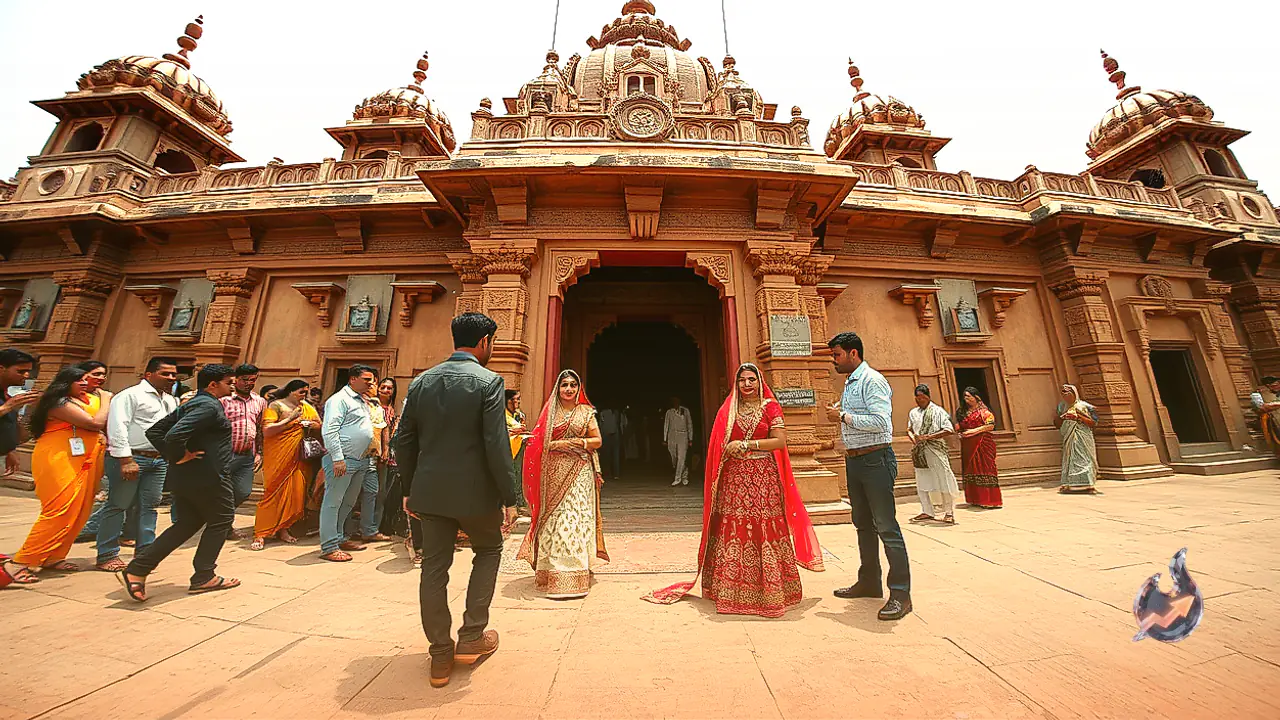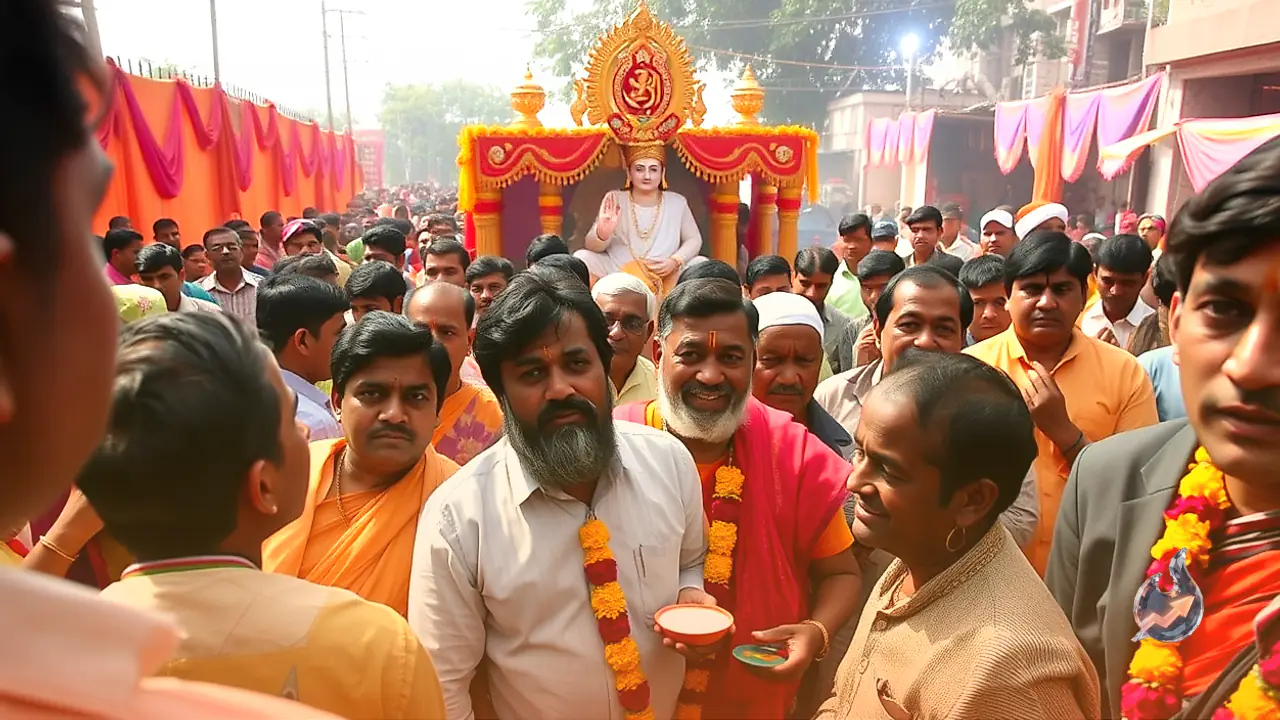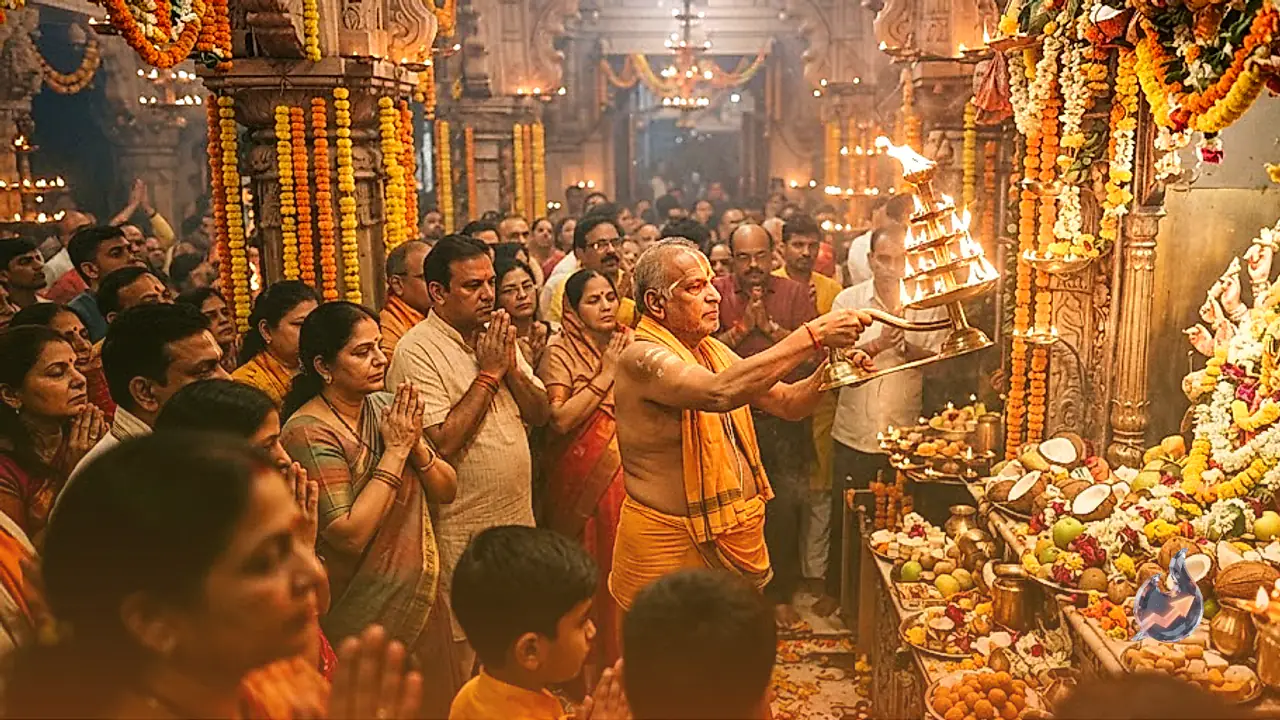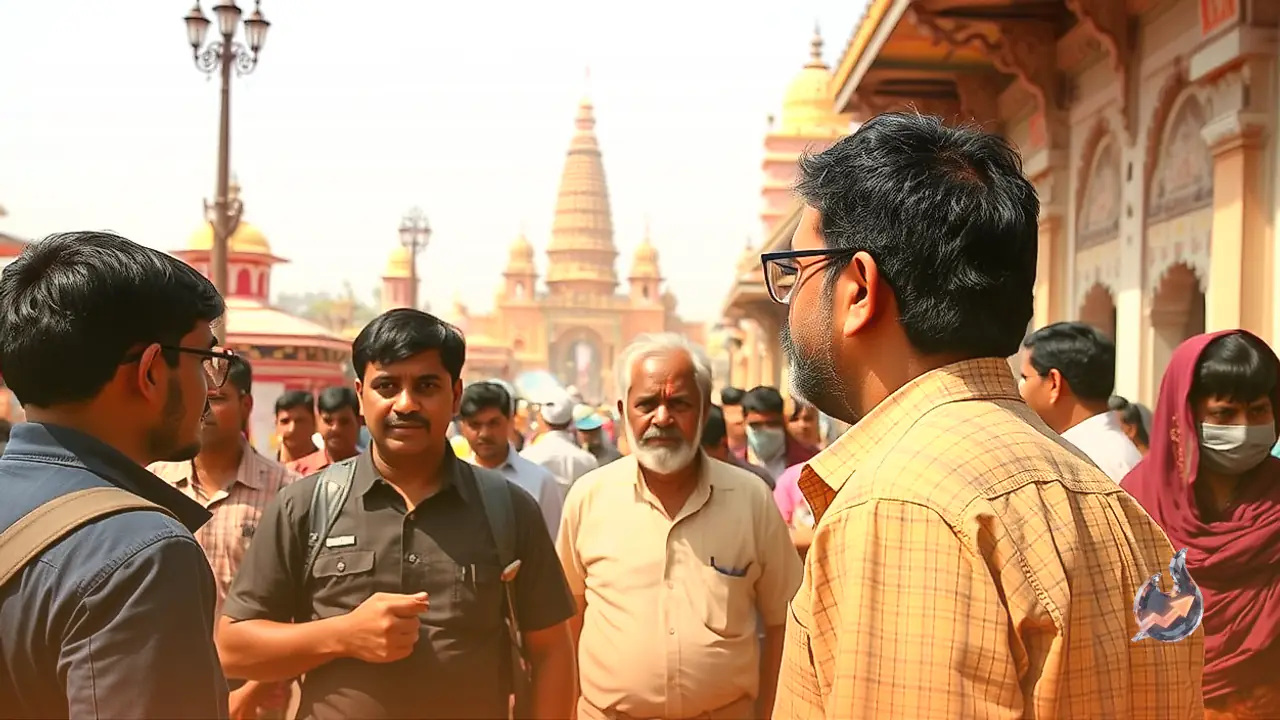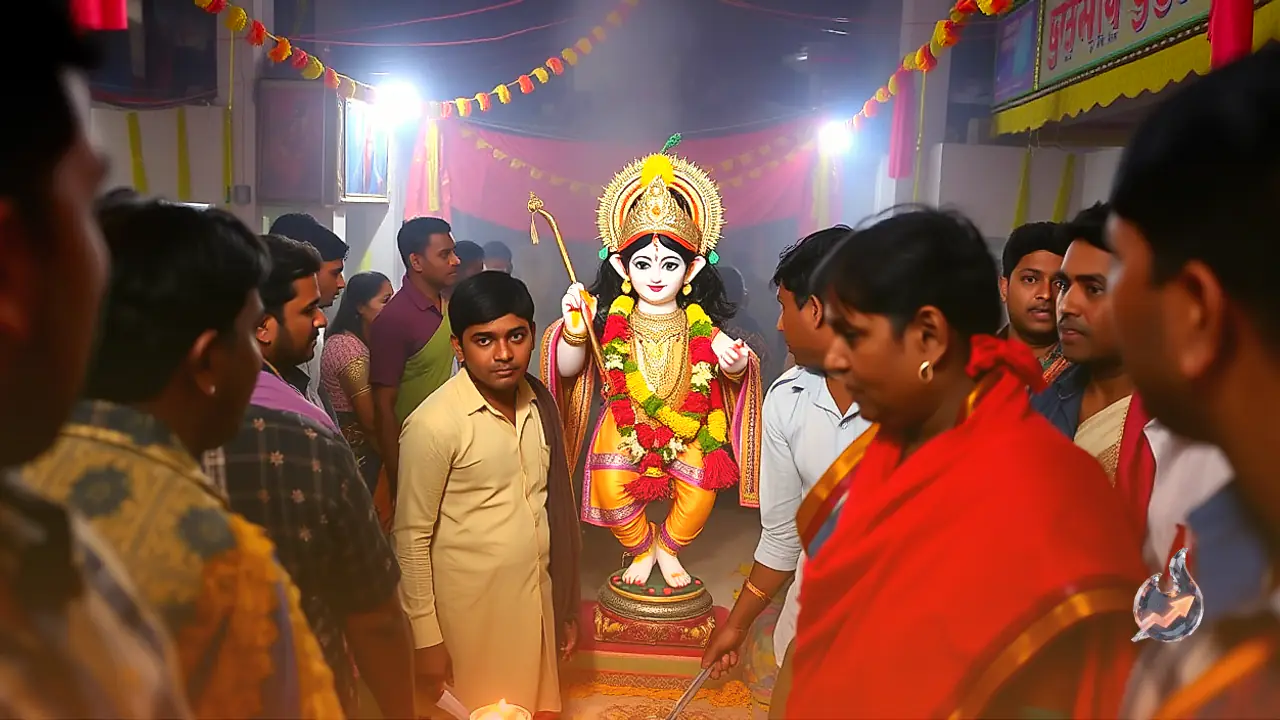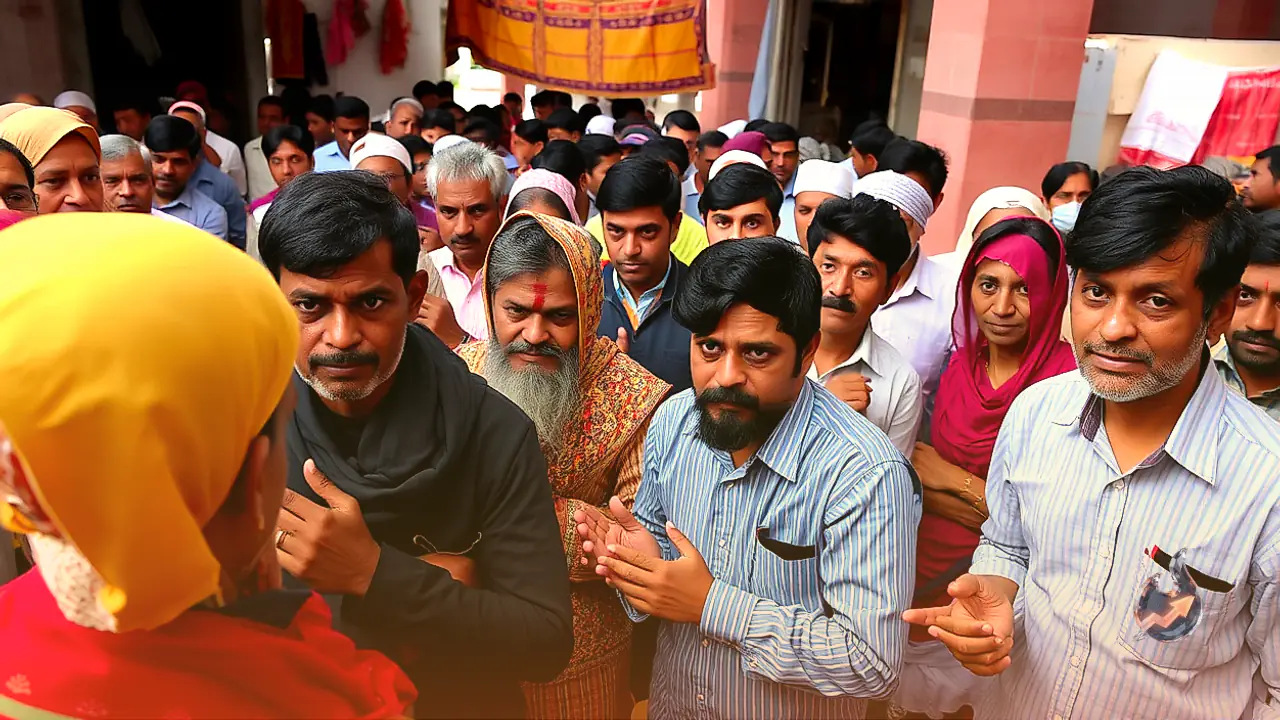




















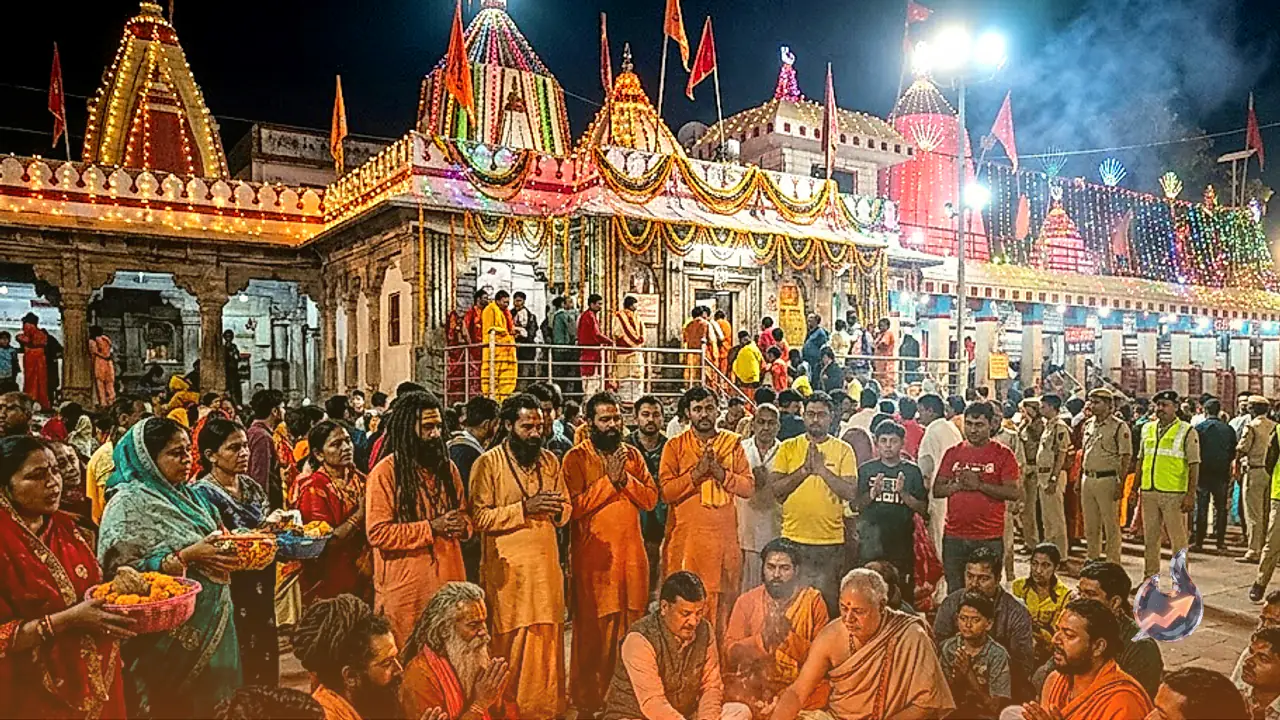

Spiritual seekers and devotees from across the country have gathered at the revered Maa Vindhyavasini Dham in Uttar Pradesh's Mirzapur district to observe the sacred nocturnal rituals of Navratri. The nights of Mahaashtami and Mahanavami hold unparalleled significance in the realm of spiritual penance and esoteric traditions. Practitioners focusing on mantra discipline and esoteric rituals dedicate these specific hours to acquiring spiritual accomplishments known as siddhi. Central to these observances is the Mahanisha puja, regarded as the most potent and spiritually charged window of the entire festival. As soon as the sun dips below the horizon, intensive ceremonial worship commences across key sacred sites in the region.
Key Pilgrimage Sites and Official Arrangements
Beyond the core sanctum of the Maa Vindhyavasini temple, spiritual practitioners establish their seats at spiritually charged locations including Bhairav Kund, Ram Gaya Ghat, and the elevated trails of Ashtabhuja Hill. Recognizing the heavy influx of hermits, tantric practitioners, and regular pilgrims during this nocturnal window, local administrative authorities have instituted comprehensive logistical arrangements. These measures aim to avert disruptions, maintain public order, and ensure that practitioners engaged in rigorous meditation face no operational hurdles. Chants and meditative hymns echo across the ghats and forest slopes throughout the quiet night hours.
The Esoteric Significance of the Mahanisha Hours
Outlining the scriptural backdrop, Vedic scholar Pandit Anupam Maharaj explained that the nights straddling Mahaashtami and Mahanavami possess extraordinary spiritual potency. Citing ancient scriptural guidelines, the transitional nocturnal period connecting Saptami and Ashtami is considered profoundly concentrated with shakti. During this critical window, seekers chant their designated mantras continuously to achieve fulfilment of their spiritual vows and awaken esoteric potencies. The ritual traditions of this night incorporate sacred fire oblations alongside symbolic sacrifices, where items such as lemons and nutmegs are offered rather than animal life. Sadhus and esoteric worshippers also position themselves near the Maa Tara shrine and surrounding cremation grounds to conduct severe penance.
Invocation of Goddess Siddhidatri and Vindhya's Sacred Standing
Pandit Anupam Maharaj highlighted that the ninth night belongs to Goddess Siddhidatri, the presiding deity celebrated for conferring ultimate spiritual attainments. Dedicated worship conducted during this concluding night of the festival is believed to crown the devotee's efforts with success and fulfillment of worldly as well as transcendental goals. Spiritual traditions hold that there is no destination more auspicious or effective than the Vindhya region for awakening mantras and solidifying siddhi. This enduring belief continues to make the hills of Mirzapur the premier sanctuary for intense nocturnal sadhana during the culminating phase of Navratri.