



















In the forested hills of Shivpuri district in Madhya Pradesh stands an ancient temple whose origins are said to trace back to the Mahabharata era. Located roughly 30 kilometres from the district headquarters, the 20-Bhuji Mata Mandir, the temple of the twenty armed goddess, is known not just for its antiquity but for a string of happenings that devotees describe as beyond ordinary explanation. Local belief holds that the Pandavas, during their period of exile, came to this very spot to offer special prayers to the goddess. Here is a closer look at the mysteries surrounding this shrine that continue to leave visitors bewildered.
A History Tracing Back To The Pandavas
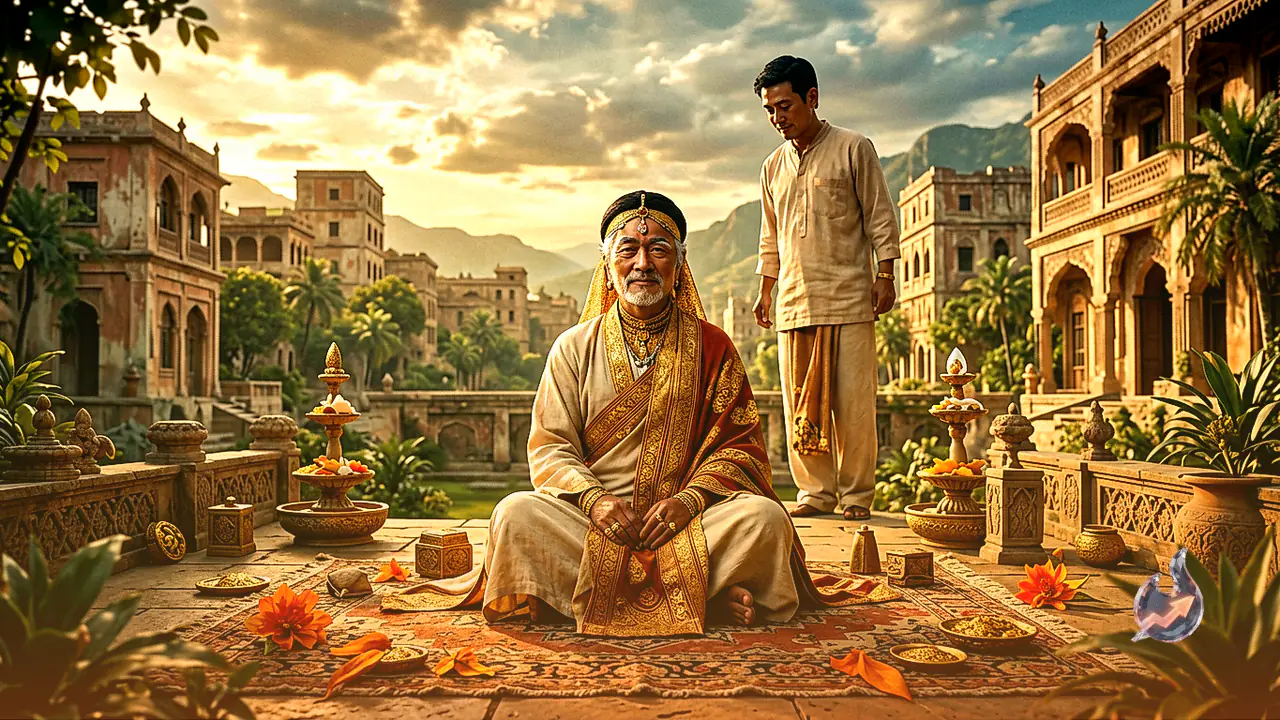
The temple is said to be several centuries old. According to local tradition and historical indicators, when the Pandavas were serving out their exile during the Mahabharata period, they took shelter on this densely forested hill and worshipped the goddess here. It wasn't only the Pandavas; in the medieval era, the powerful king Jwala Singh of Pathrigarh is also said to have come regularly to serve the goddess and seek her blessings. Even today, several remnants scattered around the hill stand as evidence of this old history.
A Feat Of 20 Arms That Defies Counting
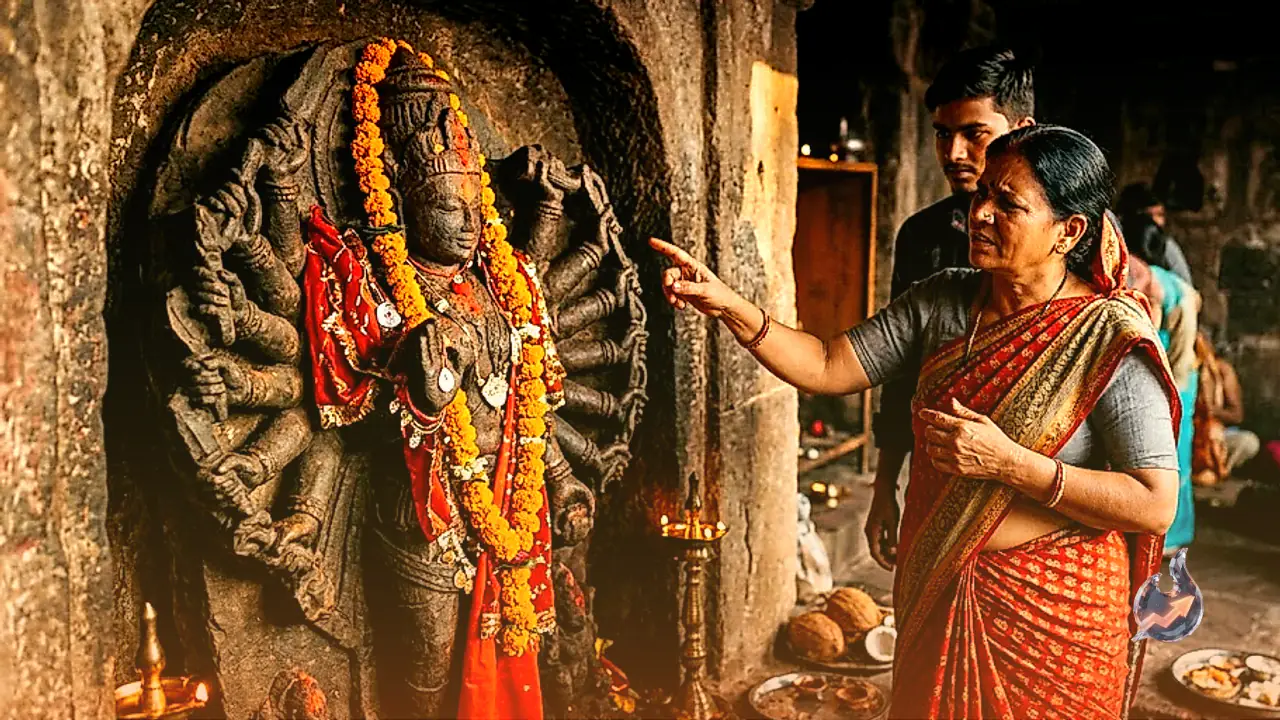
Villagers and devotees who visit the temple claim there is something about the goddess's idol that even science cannot explain. Any ordinary person who tries to count the goddess's 20 arms ends up getting confused every single time. According to locals, only a devotee who offers a coconut to the goddess with complete devotion is able to clearly count all 20 arms. Each of those arms holds a different weapon.
The Goddess Who Appeared Without Human Consecration
The temple's chief priest, Ramdas Ji Maharaj, says this is possibly the first temple in Madhya Pradesh where the idol of the goddess was never consecrated by human hands through a prana pratishtha ritual; instead, the goddess herself is believed to have manifested at this spot. Elders recall that a makor, also called mafur, tree once stood here, and it was near this very tree that the divine idol appeared. Exactly how the goddess came to be at this location remains an unresolved mystery even today.
A Pond That Never Runs Dry
The temple originally stood atop a valley, and directly beneath that old structure lies an extremely ancient pond, or kund. What makes this pond remarkable is that it never dries up even in peak summer heat, staying filled with water through all 12 months of the year. Devotees believe that bathing in this sacred pond permanently cures every kind of skin ailment.
Claims Of Recovery From Cancer
The goddess's shrine is home to more than just faith; it carries several living stories of unwavering belief. According to local residents, an incident here recently left everyone stunned. Three people battling cancer, a serious and otherwise incurable illness, arrived at the temple after losing hope from their doctors. After the goddess's blessings and repeated visits for darshan, they are said to have fully recovered and become healthy again.
Stones That Match A Famous Monastery
Historians and local residents believe the stones used in this temple are identical to those found at the well-known Rannod Math, a monastery, suggesting both structures may have been built during the same historical period. During the medieval era, foreign invaders caused significant damage to this ancient temple, breaking apart its old pillars. Today, a grand new temple has been built at the base of the hill and has become a major centre of faith for the entire district.
The Buried Remains Of An Ancient Village Called Analapur
Local resident Vikram Singh Chouhan says that traces of an ancient civilisation can still be found atop this hill, which stretches all the way to Gau-Kho on the banks of the Sindh river. Old foundations and ruined structures are clearly visible here. An old inscription, or beeje, recorded this place under the name Analapur, once a thriving settlement. Remains of the older temple can still be seen scattered across the hill, roughly 100 metres from the present-day temple.