















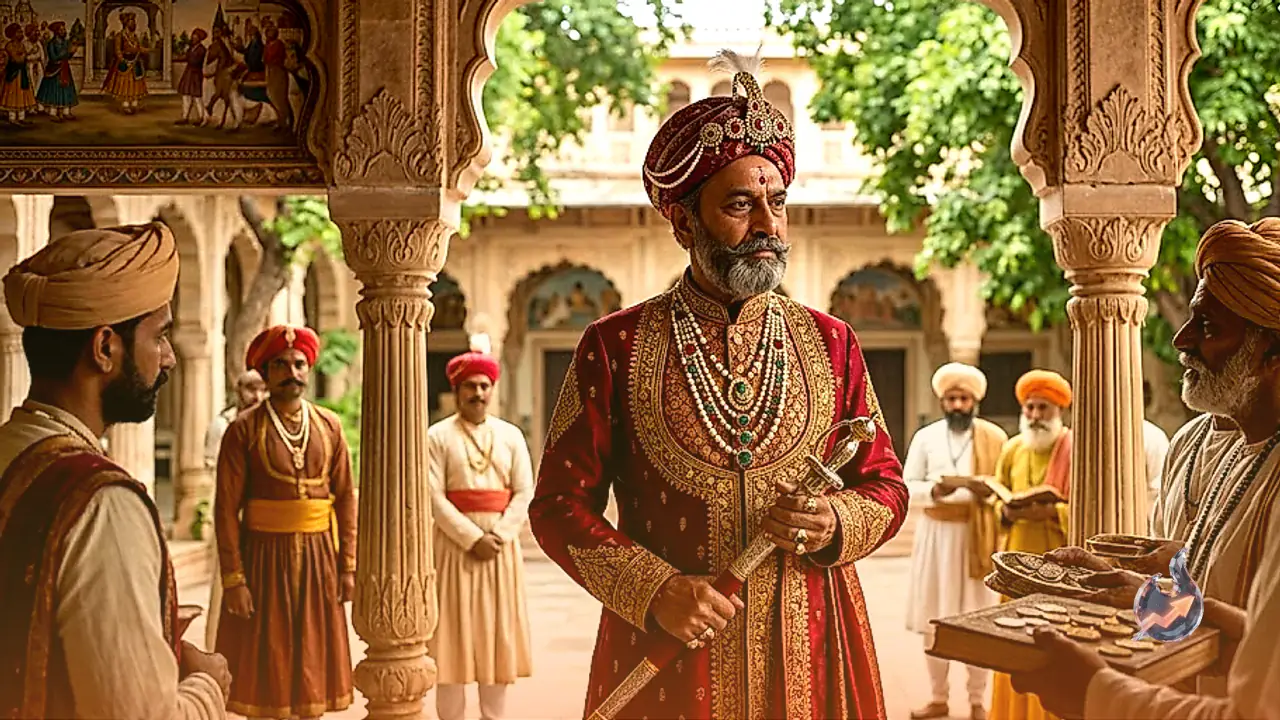
Located approximately 20 kilometers from Mathura along the serene banks of the Yamuna River, the village of Rawal stands as a significant site from the Dvapara Yuga. This village is celebrated as the birthplace of Radha Rani, and it was here that her father, King Vrishabhanu, held his royal court. King Vrishabhanu was regarded as one of the most powerful and affluent monarchs of that era. His influence was such that no major activity within the entire Braj region could take place without his consent and oversight.
The Governance of King Vrishabhanu and the Significance of Rawal
According to local traditions and historical accounts, King Vrishabhanu was not only a capable administrator but also a person of immense affection for his subjects and his daughter. Legend holds that whenever Radha Rani visited her father, King Vrishabhanu experienced profound joy. During his reign, Rawal village flourished as a prosperous hub, providing a picturesque setting where Radha Rani often played with her companions along the banks of the Yamuna. Her presence was considered a constant source of happiness for the king, cementing his reputation as a benevolent leader.
Possessor of 11 Lakh Cows
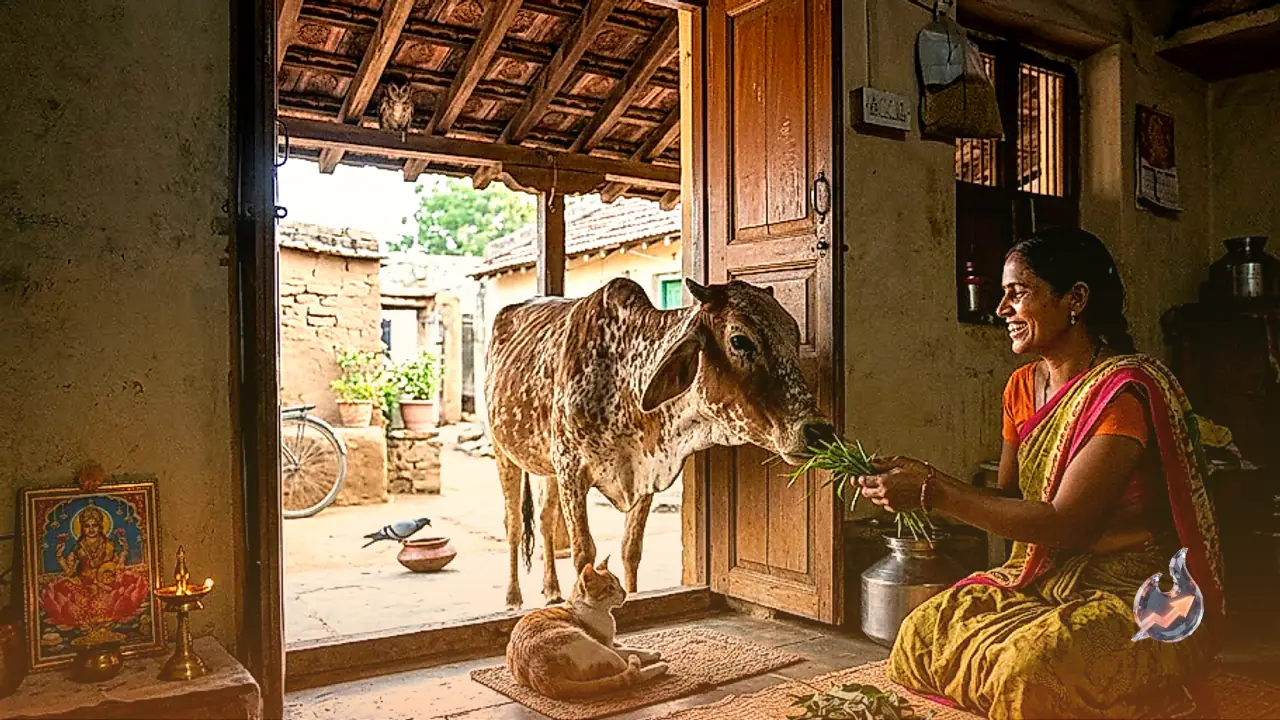
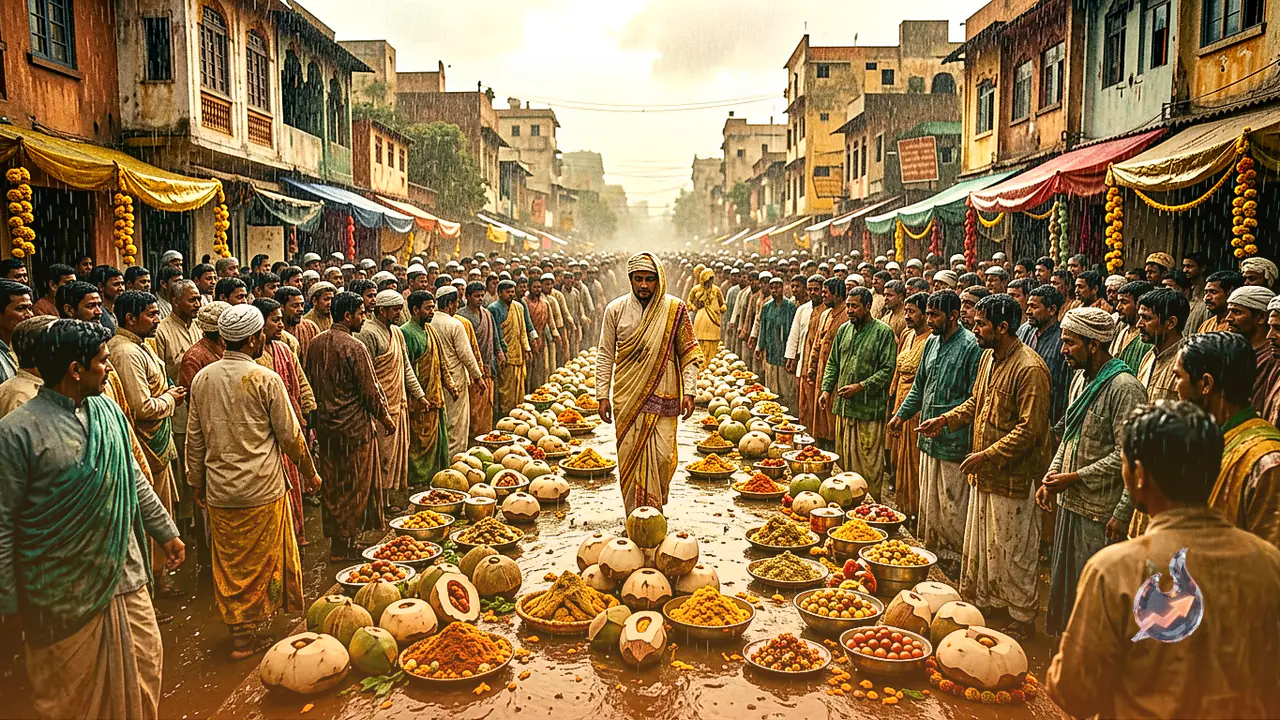
The core of King Vrishabhanu's wealth was his immense livestock. According to Rahul Pandit, a priest associated with the Radha Rani temple, King Vrishabhanu maintained a herd of 11 lakh cows, which he cared for with great diligence. This number was considered the largest in the region at the time. His wealth is often compared to that of Nanda Baba, who famously possessed 9 lakh cows. Nanda Baba and King Vrishabhanu shared a deep and enduring friendship; while Nanda Baba ruled over Gokul, King Vrishabhanu managed the affairs of Rawal. Due to his vast ownership of cattle and his generous nature, Vrishabhanu remains known as the greatest cattle-rearer and king of the Braj region, a legacy that continues to be honored by the people of the area today.