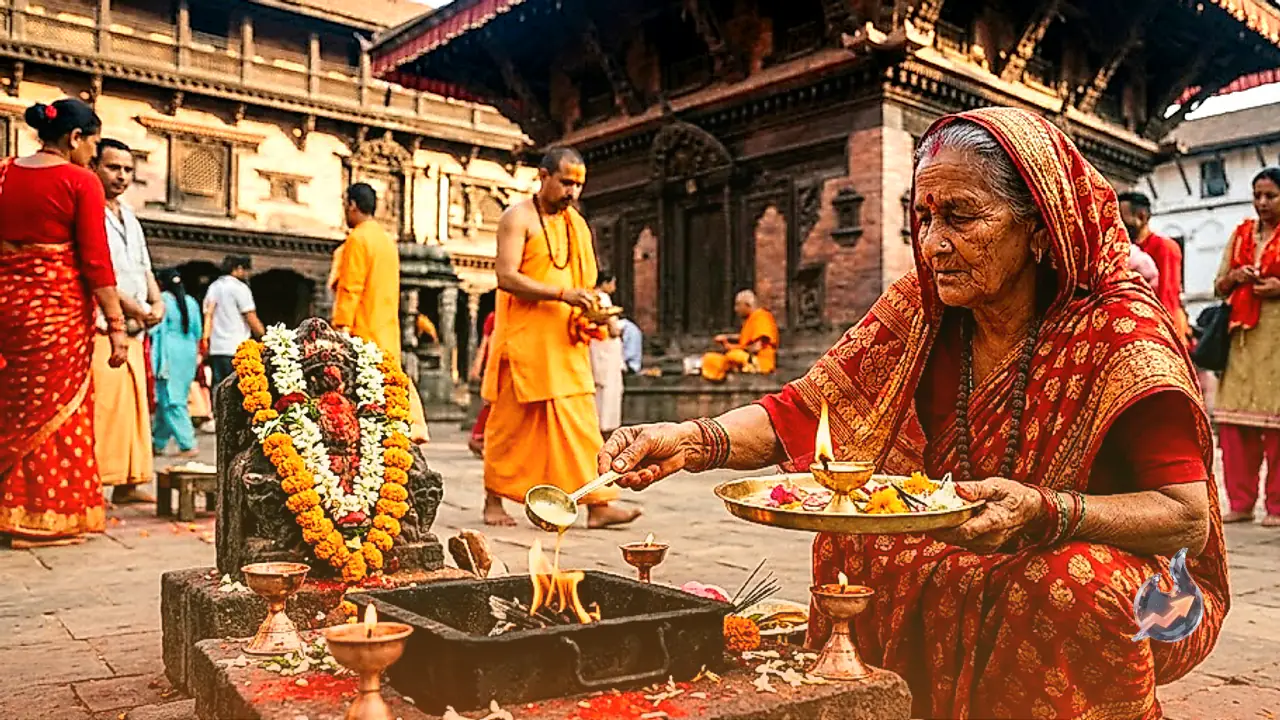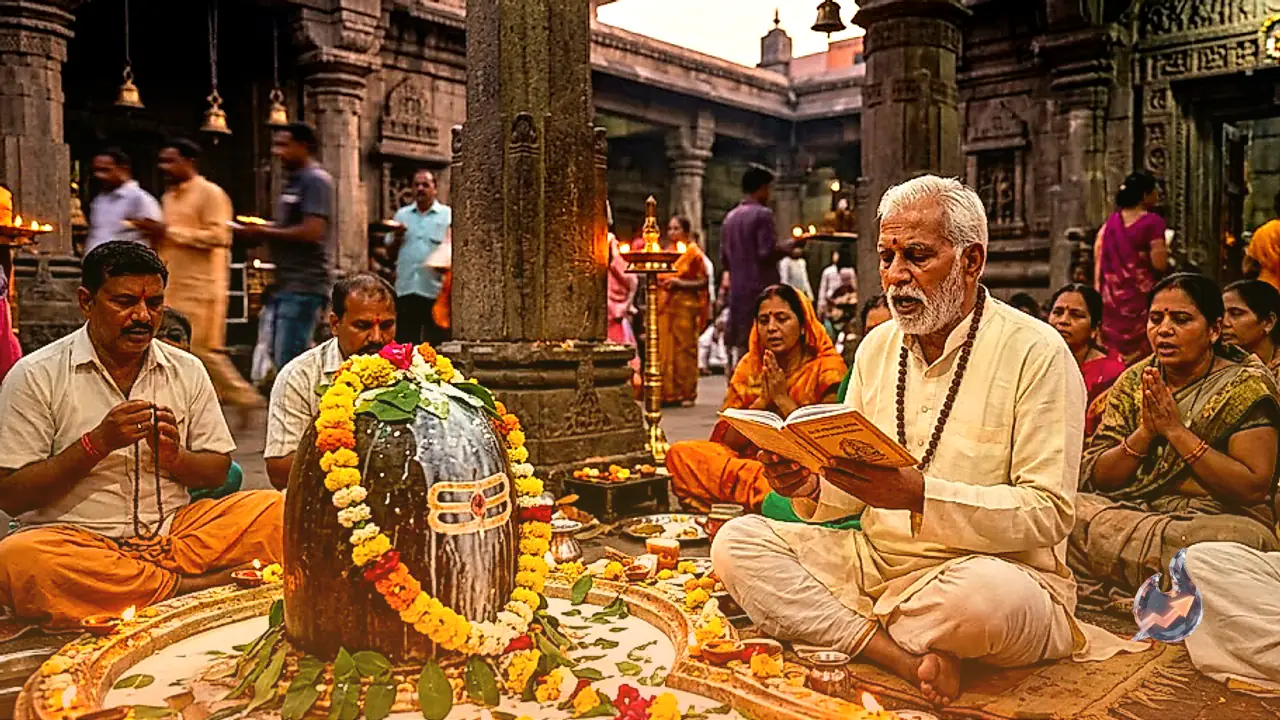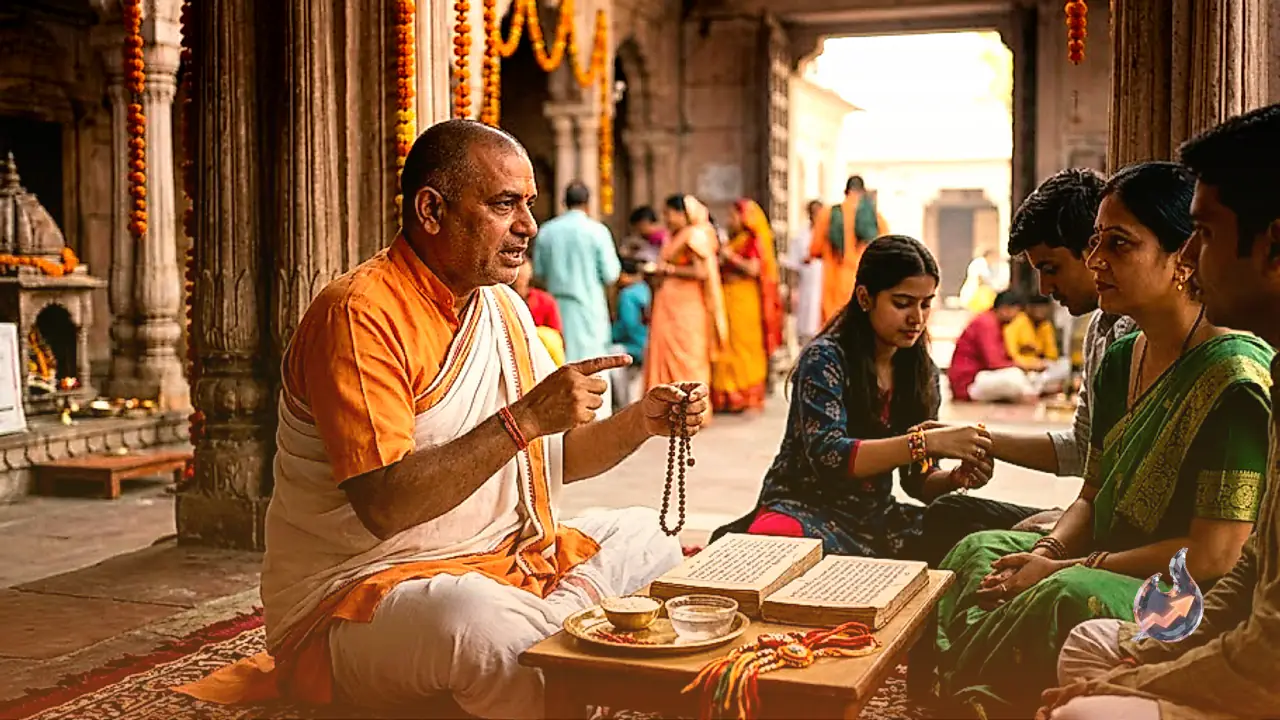


















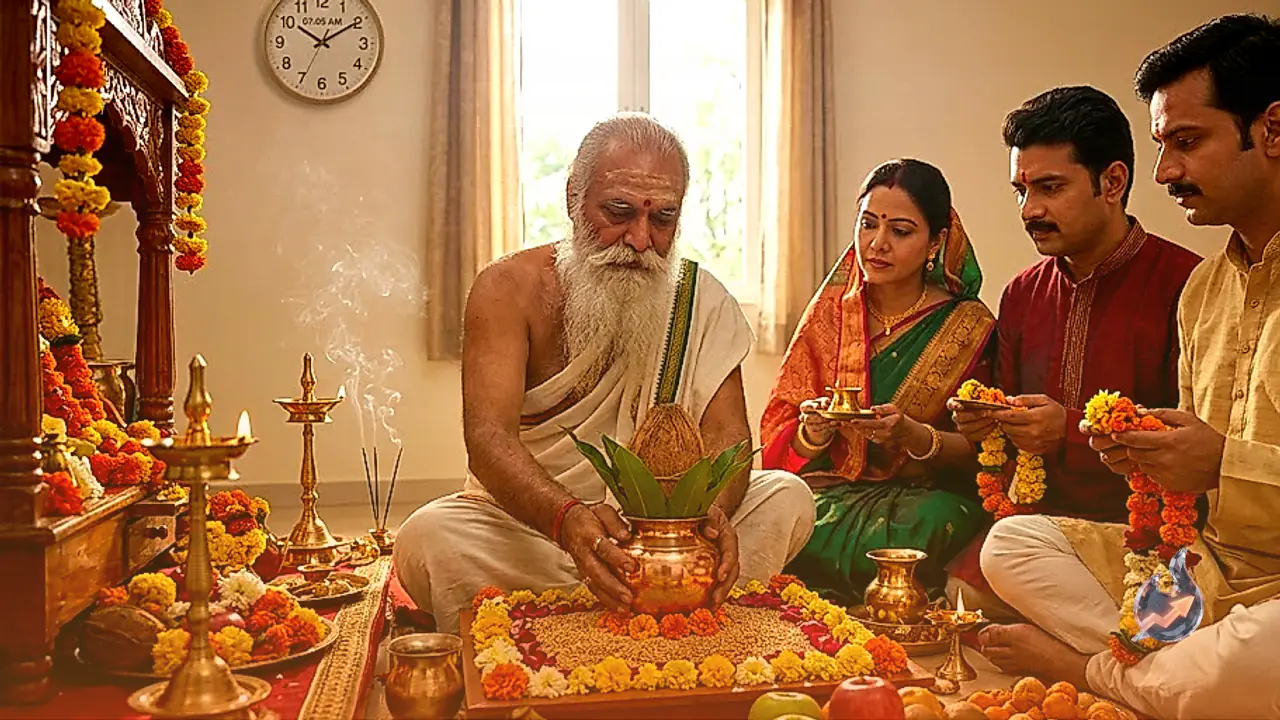

In Hinduism, the worship of divine feminine power holds immense spiritual significance, with the nine days of Navratri considered highly sacred. When most people think of Navratri, they immediately recall the popular Chaitra and Shardiya Navratris. However, according to sacred traditions, this holy festival is actually celebrated four times a year. While two of these are celebrated publicly with grand social gatherings, the other two are known as Gupt Navratri or the secret Navratris. Occurring during the Hindu months of Magh and Ashadha, these periods are dedicated to intense, confidential spiritual practices. Seekers, ascetics, and tantric practitioners utilize this auspicious time for deep meditation, seeking mystical accomplishments and spiritual energy under strict disciplinary vows.
The Spiritual Essence of Gupt Navratri and the Ten Mahavidyas
Unlike the public Navratri festivals that focus primarily on the nine popular forms of Goddess Durga, Gupt Navratri involves the worship of both these nine forms and the highly powerful Ten Mahavidyas. These ten manifestations of cosmic energy include Goddess Kali, Tara Devi, Tripura Sundari, Bhuvaneshwari, Chhinnamasta, Tripura Bhairavi, Dhumavati, Bagalamukhi, Matangi, and Kamala Devi. It is believed that performing secret rituals during this phase helps the practitioner fulfill deep spiritual desires and overcome worldly obstacles. The efficacy of these prayers is said to increase when kept strictly confidential, far from the public eye, which is why it is traditionally referred to as "Gupt" (hidden) Navratri.
Ashadha Gupt Navratri 2026: Key Dates and Auspicious Muhurat
In the year 2026, the sacred festival of Ashadha Gupt Navratri will begin on July 15 and conclude on July 23. This nine-day window is highly anticipated by devotees who wish to immerse themselves in rigorous prayers. On the very first day of the festival, the most crucial ritual is the Ghata Sthapana, which refers to the ceremonial installation of the sacred Kalash. For those planning to initiate their worship on July 15, the most auspicious timing or muhurat for the Kalash Sthapana begins early in the morning at 05:33 AM and remains open until 10:09 AM. Adhering to this specific timeframe is believed to align the prayers with favorable cosmic energies.
Detailed Rituals and Step-by-Step Puja Vidhi
To successfully perform the rituals of Ashadha Gupt Navratri and receive the blessings of the Goddess, devotees must follow a structured procedure
- On the first day of Navratri, wake up early in the morning during the Brahma Muhurat, bathe, and wear clean, fresh garments.
- Clean your home temple or a designated altar space, spread a fresh red cloth over it, and respectfully place the idol or image of Goddess Durga.
- Take a shallow clay pot, fill it with clean soil, sow barley seeds inside it, and prepare to place the sacred Kalash directly over this base.
- Fill the Kalash with clean drinking water, adding a few drops of holy Ganga jal (Ganges water) to purify it.
- Arrange fresh mango leaves around the mouth of the Kalash, and carefully place a coconut on top. Ensure that the coconut is wrapped in a piece of red cloth and securely tied with the sacred red thread known as kalava.
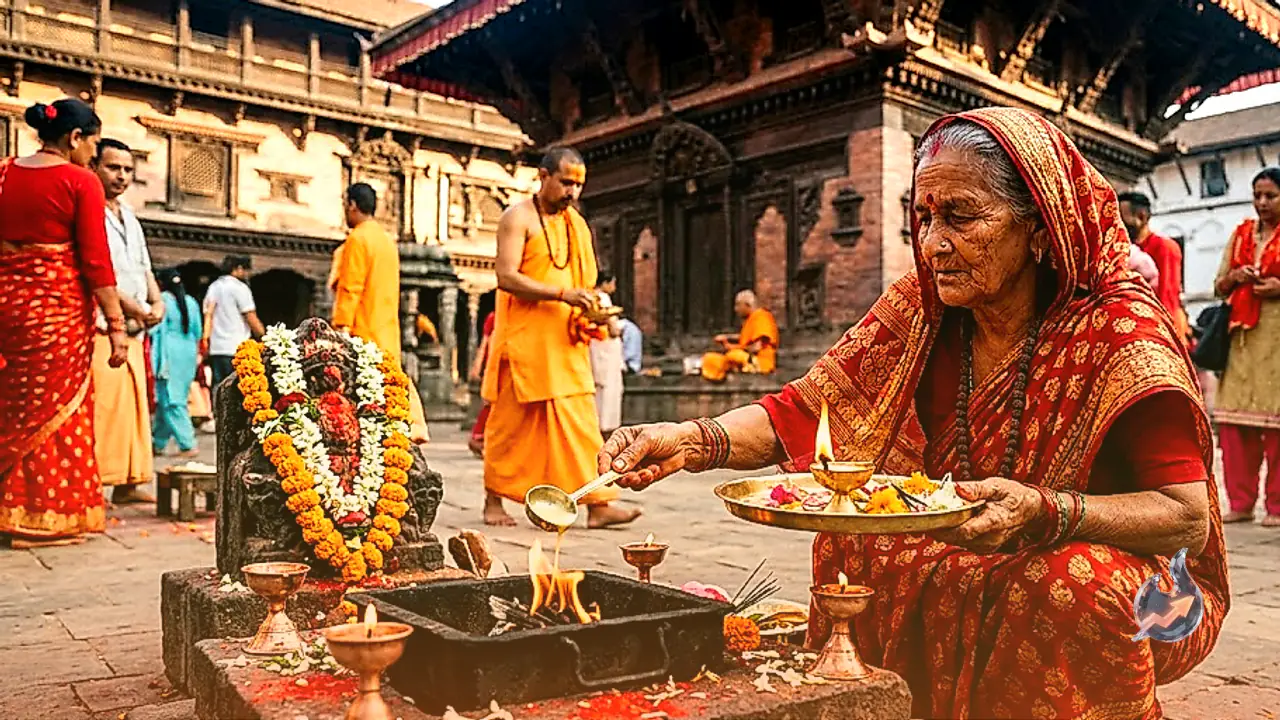
- Light a ghee lamp and incense sticks, offering fresh flowers, camphor, and traditional incense to perform the Panchopachar puja of the deity.
- Conclude the daily prayers by singing the aarti of Goddess Durga and offering traditional food (bhog) as a token of devotion.
- This elaborate worship ceremony must be performed diligently twice a day, in the morning and evening, throughout the nine days.
- On the final day of the festival, invite young girls to your home, serve them a sacred meal, offer gifts, and seek their blessings to conclude the spiritual fast.