


















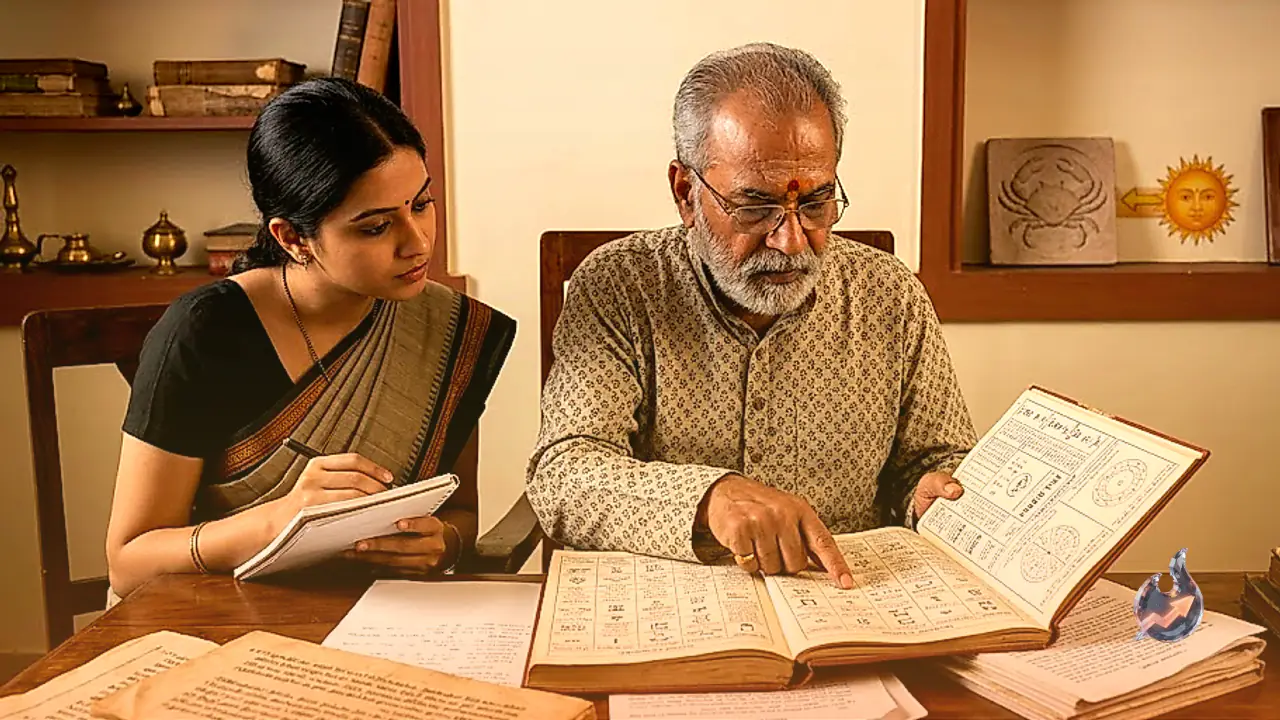

According to astrology, the day the Sun moves into Cancer each year is observed as Kark Sankranti, and in 2026 this occasion falls on 16 July. The day is considered highly auspicious for worship and for charitable acts such as bathing rituals and donations. What makes this year special is that a Siddhi Yog is forming alongside Kark Sankranti, a combination regarded as extremely favourable in astrology because any task begun during this yog is believed to succeed. The Sun is set to enter Cancer at 11:45 PM on 16 July.
When the Punya Kaal Window Opens
As per the Panchang, the Punya Kaal muhurat on 16 July 2026 will run from 12:27 PM in the afternoon to 07:21 PM in the evening, and religious acts linked to bathing and donation can be carried out throughout this window. Within that period, the stretch from 05:03 PM to 07:21 PM is being treated as the Maha Punya Kaal, described as the most powerful part of the entire muhurat. For anyone hoping to complete both the ritual bath and the donation, this late-evening window is considered the last and most effective opportunity of the day.
Chaughadiya Muhurat for the Day and Night
Beyond the Punya Kaal, the Panchang also lays out separate Chaughadiya muhurats for daytime and night-time, which are traditionally consulted before starting any auspicious work. During the day, the Shubh Chaughadiya, rated excellent, runs from 05:34 AM to 07:17 AM. It is followed by the Char Chaughadiya from 10:44 AM to 12:27 PM, which yields average results, and then the Labh Chaughadiya from 12:27 PM to 02:10 PM, associated with progress and growth. The Amrit Chaughadiya, considered the best of all, follows from 02:10 PM to 03:54 PM, and the Shubh Chaughadiya returns once more in the evening from 05:37 PM to 07:21 PM. At night, the Amrit Chaughadiya runs from 07:21 PM to 08:37 PM, followed by the Char Chaughadiya from 08:37 PM to 09:54 PM. Later, the Labh Chaughadiya returns from 12:27 AM to 01:44 AM.
What This Sankranti Means for Different Areas of Life
The Panchang also describes how this Sankranti is expected to influence different walks of life. People engaged in small-scale work or everyday trade are said to benefit from this transit, and prices of everyday goods are expected to stay largely stable, with no major swings anticipated. Astrologically, this Sankranti is believed to bring wealth and prosperity, making it significant from a financial standpoint as well. It is also believed that relations between nations will improve during this period and that grain reserves will grow.
Why Kark Sankranti Holds Special Astrological Importance
In astrological terms, Kark Sankranti marks an important turning point in the Sun's movement. On this day, the Sun's Uttarayan phase comes to an end and the Dakshinayan period begins, meaning the direction of its apparent movement shifts. This shift is also said to coincide with visible changes in nature, as the monsoon season begins around this time. The occasion is considered auspicious for those involved in trade and business. Large numbers of people observe a fast on this day and carry out religious rituals involving a holy bath and acts of charity during the auspicious muhurat. Donating food grains, clothes and food on this occasion is regarded as especially beneficial, believed to bring merit to those who give.