






















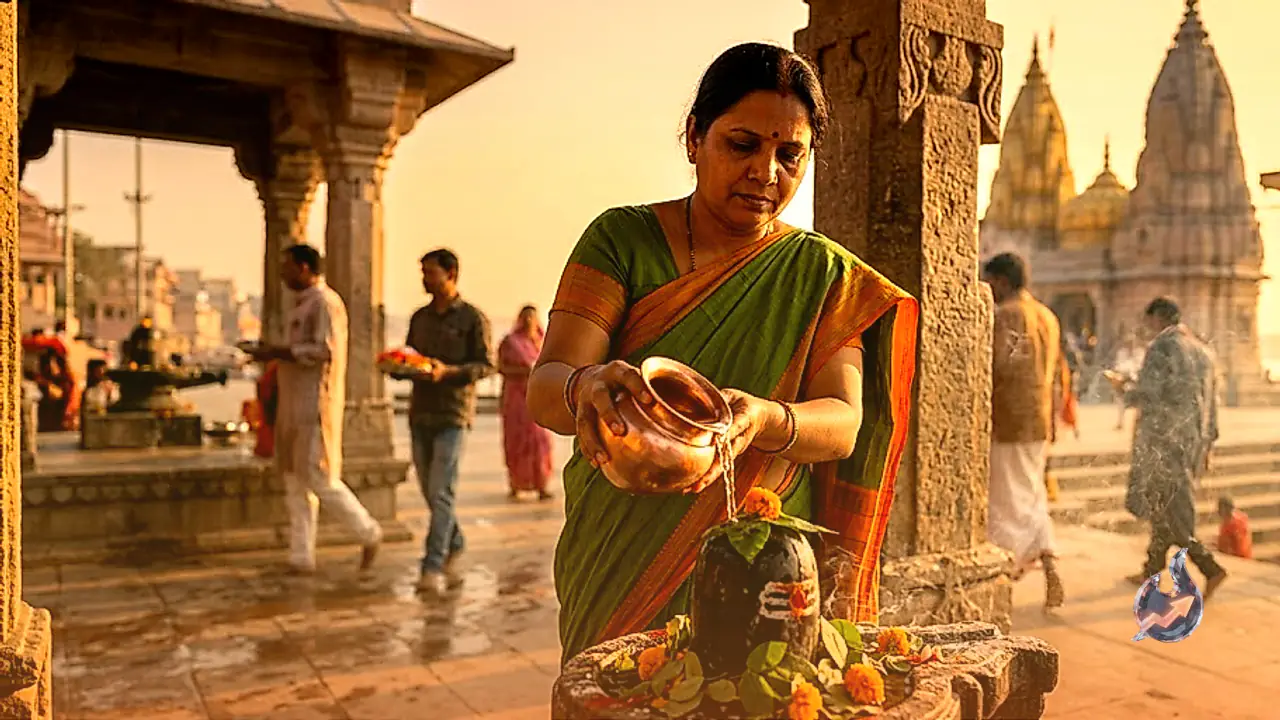

In Hindu tradition, the month of Sawan is considered the most sacred period for the devotion and worship of Lord Shiva. Throughout this month, temples dedicated to Shiva see a significant influx of devotees who perform Jalabhishek and Rudrabhishek to seek the blessings of Bholenath. Religious beliefs hold that sincere worship performed with proper rituals during this time helps alleviate life's struggles and brings happiness, prosperity, and the fulfillment of desires. According to astrologer Anand Bhardwaj from Ujjain, many unmarried women also observe the Sawan Monday fast with the hope of finding a suitable life partner.
Key Dates for Sawan 2026
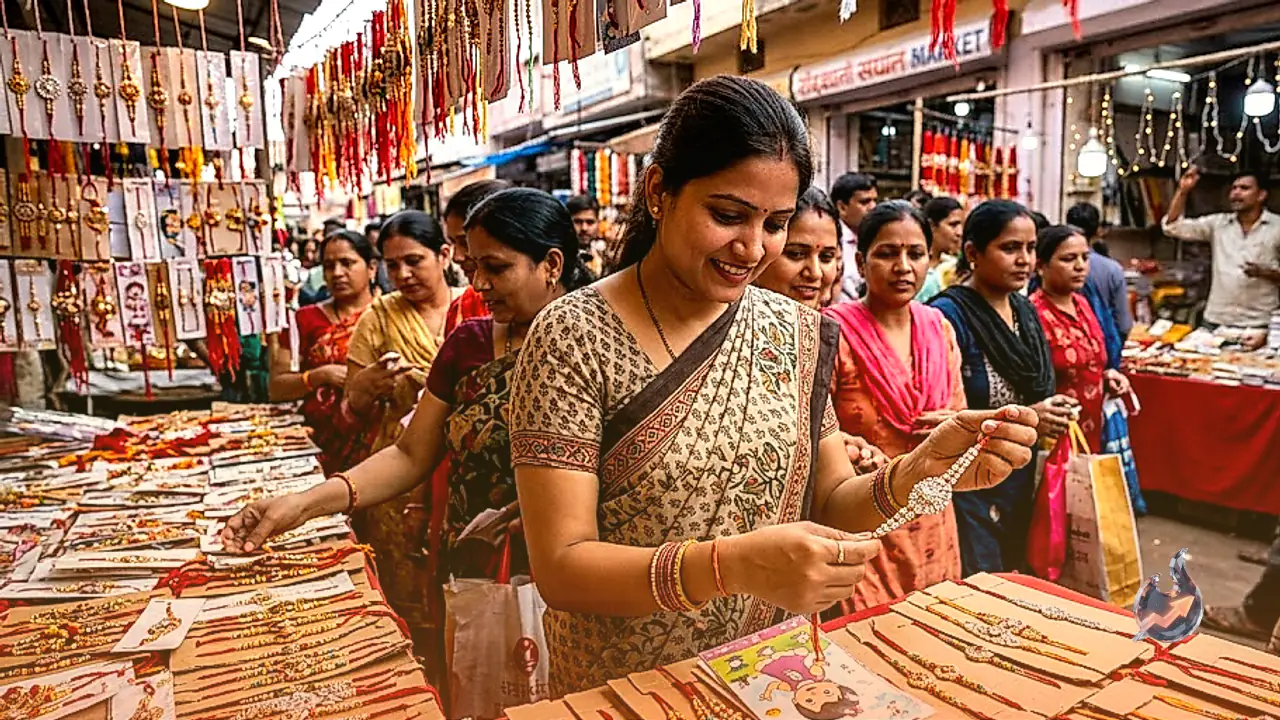
According to the Vedic Panchang, the month of Shravan begins immediately following Ashadha Purnima, also known as Guru Purnima. In this year, 2026, the Sawan month will commence on July 30 (Thursday) and conclude on August 28 (Friday) on the day of Rakshabandhan. This year, the month of Sawan will feature a total of four Mondays, all of which are considered of special significance for pleasing Lord Shiva.
Schedule of Sawan Mondays
The dates for the Sawan Mondays are as follows
- First Monday: August 3, which also marks the beginning of the Madhushravani Puja for newlywed women.
- Second Monday: August 10.
- Third Monday: August 17.
- Fourth and Final Monday: August 24.
As per the Shiva Purana, observing the Sawan Monday fast is highly auspicious. It is believed that this act enhances one's fortune and ensures the continued blessings of Lord Shiva. For those who cannot perform daily prayers regularly, observing the Sawan Monday fast and engaging in worship is highly recommended. It is said that worshipping Lord Shiva during Sawan yields favorable planetary results and removes various obstacles, leading to a peaceful and prosperous life.
How to Perform Shiva Puja
The month of Sawan is regarded as the holiest time for Shiva worship, and rituals performed during this period are believed to be manifold more rewarding. To begin the worship, rise during the Brahma Muhurta, take a bath, and wear clean clothes. Thereafter, take a pledge to worship Lord Shiva and Goddess Parvati either at your home shrine or at a nearby Shiva temple. The ritual should begin by worshipping Lord Ganesha and Kartikeya, followed by Goddess Parvati, the Nag Devta, and finally, offer a thin stream of water over the Shiva Linga while chanting 'Om Namah Shivaya' or the Mahamrityunjaya Mantra.