
Jyeshtha Purnima will be observed on June 29 this year. According to the Vedic Panchang, the Purnima tithi begins at 3:06 AM on June 29 and concludes at 5:26 AM on June 30. Based on the Udaya tithi principle, the festival is celebrated on June 29. In Hindu tradition, this full moon day is considered among the most sacred, and certain simple lamp rituals performed on this night are believed to bring happiness, peace and financial strength to a household.
Religious Significance of Purnima
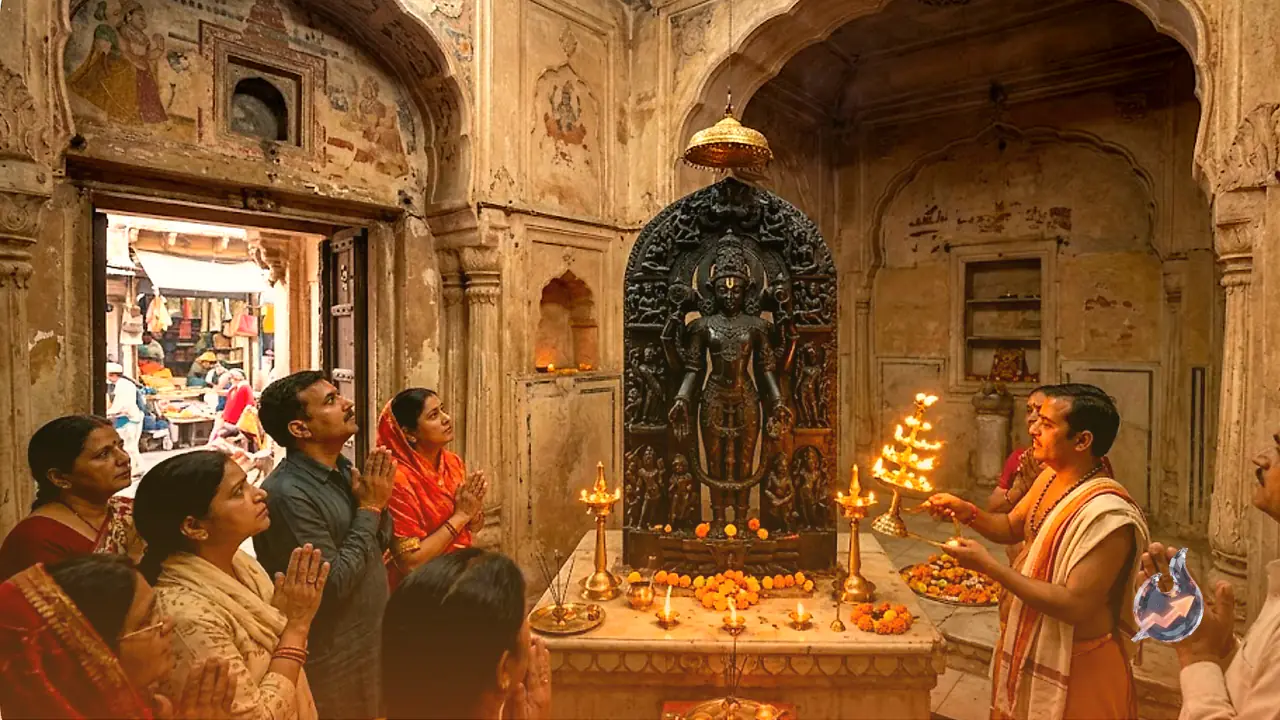
In Hindu tradition, the Purnima tithi is regarded as one of the most auspicious days for worship, fasting and charitable giving. Offering prayers to Lord Satyanarayan on this day is said to bring harmony and prosperity to the family. In the evening, devotees are advised to worship Goddess Lakshmi and offer her favourite bhog. Additionally, offering Arghya to Chandradev, the Moon deity, is believed to calm the mind and strengthen inner confidence.
Four Lamp Rituals That Can Transform Financial Well-being
- Deepdan in a holy river: Floating a lit lamp in a sacred river on Jyeshtha Purnima is considered highly auspicious. This act is believed to reduce mental stress and invite the blessings of one's ancestors.
- Ghee lamp in the kitchen: The kitchen is regarded as the centre of nourishment and abundance in a home. Lighting a ghee lamp in the kitchen on this day is believed to invite the grace of Goddess Annapurna, bringing food, wealth and prosperity to the household.
- Lamp at the main entrance: Placing a lit lamp at the main entrance of the home on Purnima night is considered auspicious. It is believed to invite Goddess Lakshmi into the home, ease financial difficulties and sustain a flow of positive energy within the household.
- Lamp before the Tulsi plant: After bathing on the morning of Purnima, offer water to the Tulsi plant and then light a ghee lamp before it while performing the Aarti. This ritual is believed to please Goddess Lakshmi, the deity of wealth.
(The information given here is based on religious beliefs and folk traditions. There is no scientific evidence for these practices.)