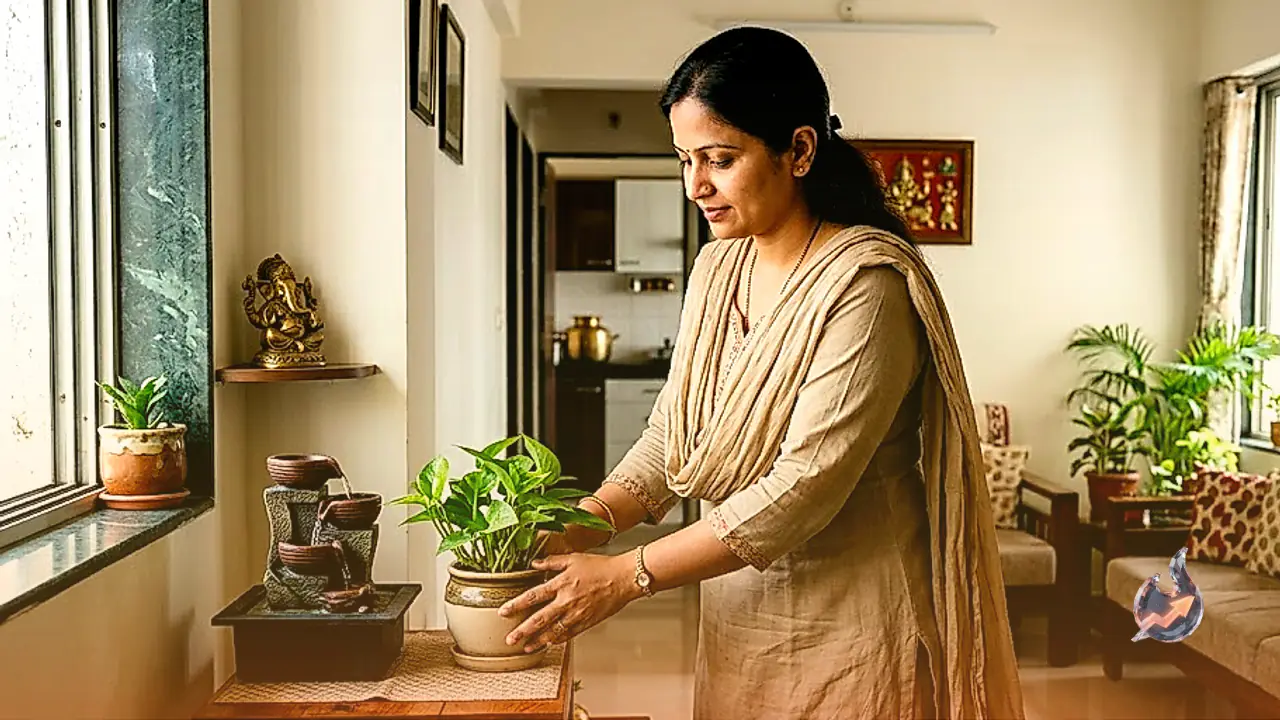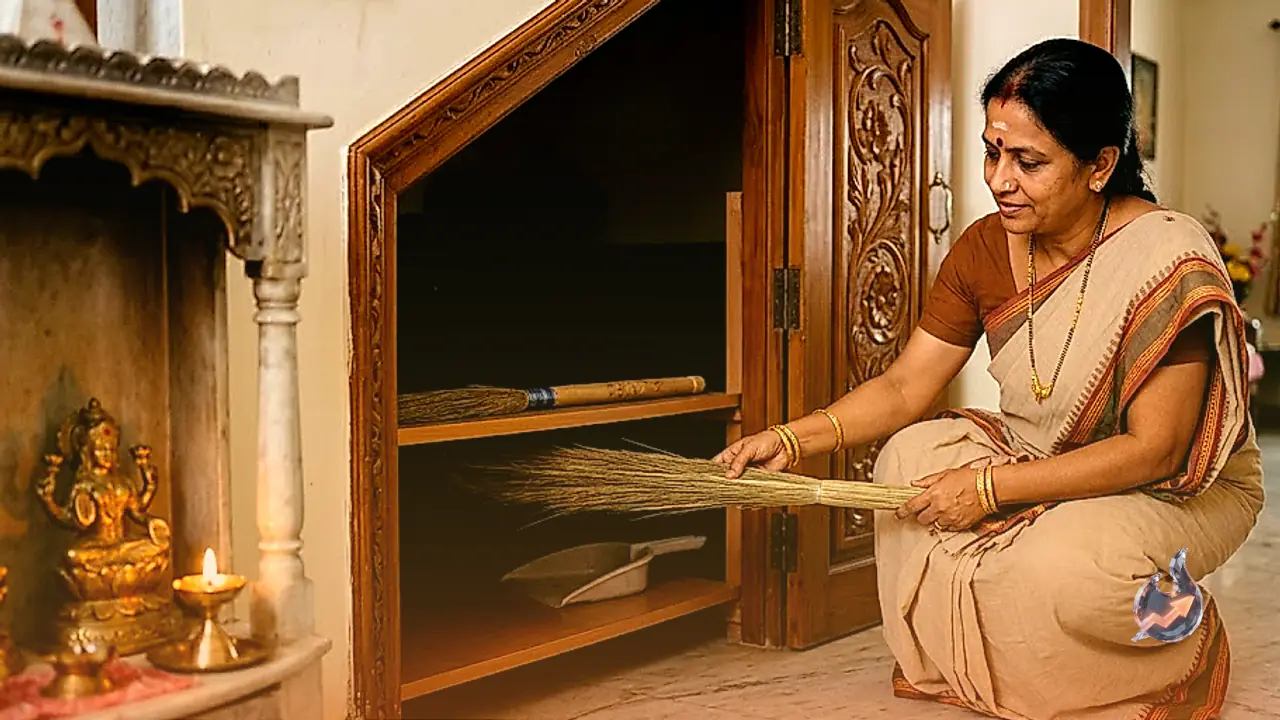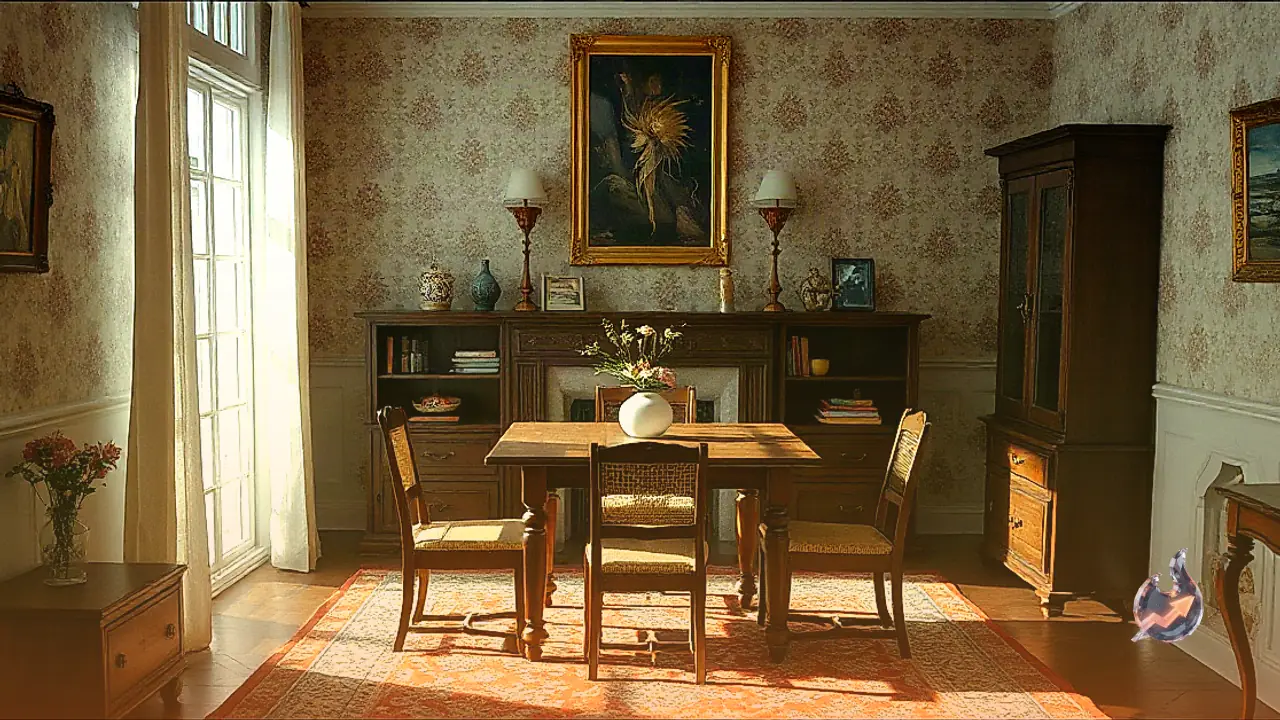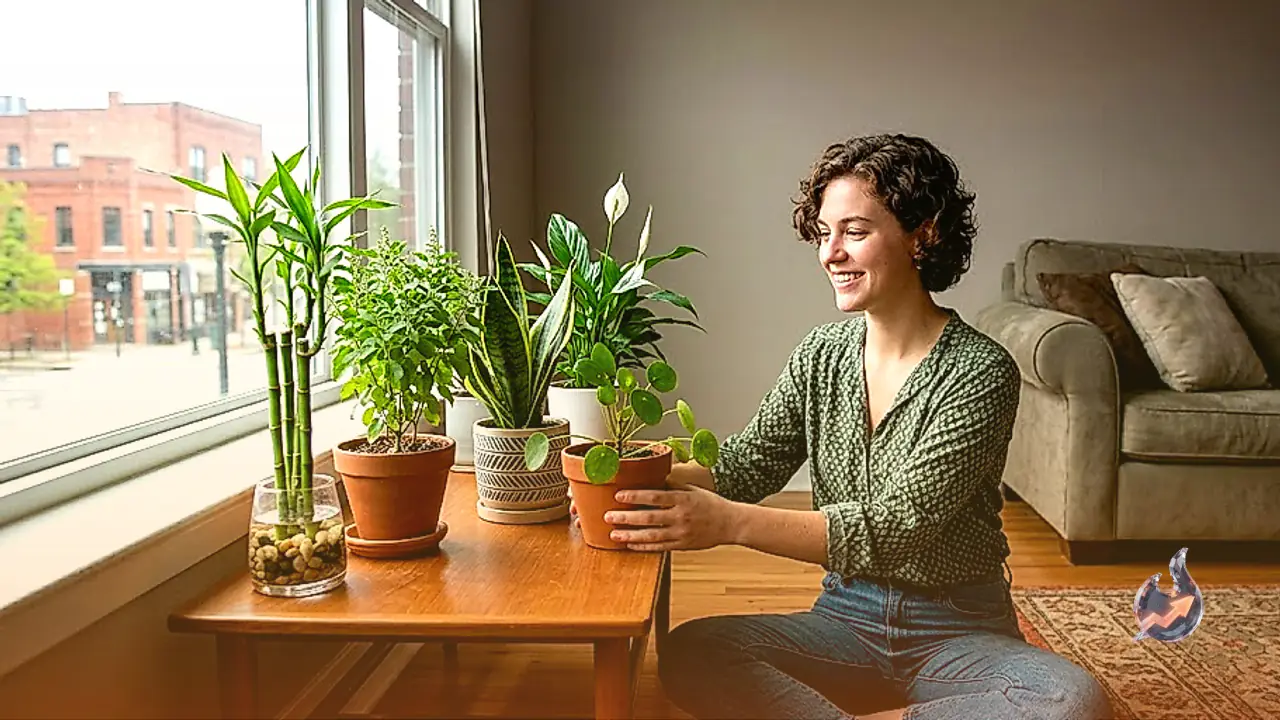























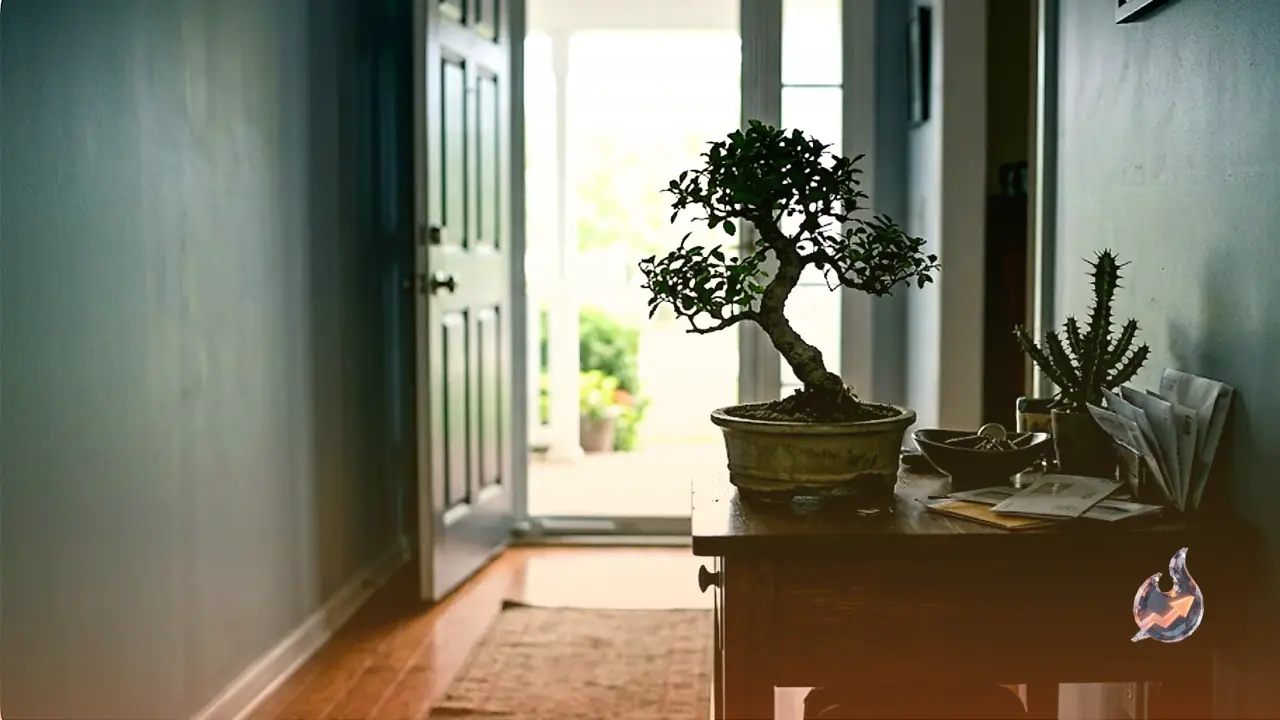

Plants bring colour, life and a sense of calm to any home, and many people believe that keeping the right greenery indoors invites prosperity and positive energy. However, Vastu Shastra makes clear that it is not enough to simply place plants wherever there happens to be space. The direction, position and regular upkeep of every plant carry their own significance, and overlooking these details can weaken the auspicious influence plants are meant to bring, while allowing negative energy to build up gradually in the home.
Placing Plants Without Considering Direction
Putting plants anywhere without thinking about direction is one of the most widespread Vastu oversights. When keeping plants on the terrace or rooftop, Vastu Shastra advises positioning them from the South-West direction towards the North-East. Following this directional guideline is said to preserve the plants' positive energy, enhance the beauty of the space and create a peaceful, harmonious atmosphere throughout the home.
Placing the Money Plant in a Random Spot
The money plant is a firm household favourite, found in nearly every home, yet most people place it wherever happens to be convenient without giving direction a second thought. Vastu beliefs hold that the South-East direction is the most auspicious placement for a money plant. Keeping it there is said to attract financial growth, happiness and prosperity into the household. It is worth taking a moment to consider the right direction before deciding where to place it.
Keeping Bonsai Plants Inside the Home
Bonsai plants are undeniably beautiful and intriguing, but Vastu Shastra advises against keeping them inside the house. The belief is that a bonsai, which is a plant deliberately kept small and slow-growing, symbolises stunted growth and restricted progress. Keeping one indoors is thought to create obstacles on the path to success and development. An open, outdoor space is considered a far more suitable environment for a bonsai.
Placing the Tulsi Plant in the Wrong Direction
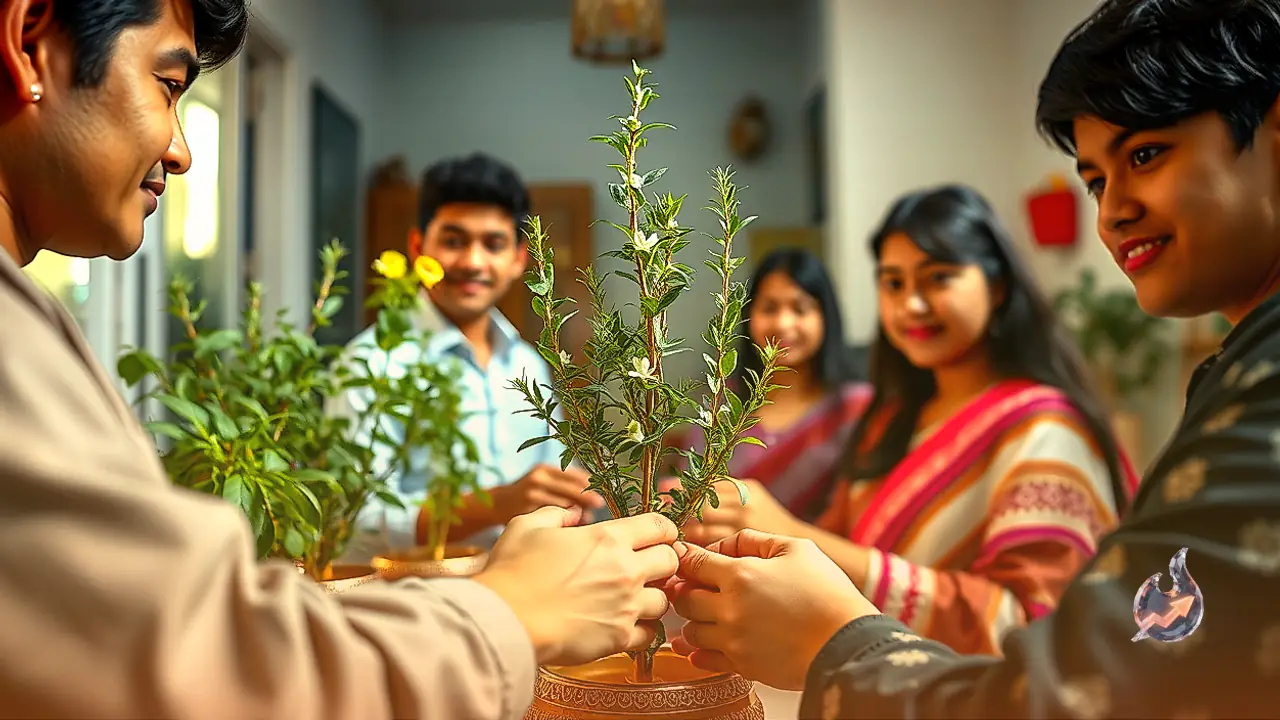
The Tulsi plant holds deep religious significance and is also regarded as highly auspicious from a Vastu perspective. Vastu Shastra recommends placing Tulsi in the Ishan Kone, the North-East corner of the home, or alternatively in the East direction. Beyond its Vastu importance, Tulsi also has the natural ability to purify the surrounding air. When kept in the correct direction, it is believed to maintain a steady flow of positive energy and bring lasting peace and well-being to the entire household.
Leaving Dried or Wilted Plants in Place for Too Long
It is common for people to leave dried-out or wilted plants in the home long after they have stopped thriving, sometimes hoping for a revival that never comes. According to Vastu Shastra, dead or withered plants become a source of negative energy inside the home. This is why it is important to check on all plants regularly and remove any that have fully dried out or cannot recover, without delay, so that the home environment stays positive and healthy.
The information presented here is based on religious beliefs and folk traditions. It has no scientific basis.