


















The Shrikhand Mahadev Yatra, which every year draws large crowds of devotees to a Shivling perched at 19,000 feet in Himachal Pradesh's Kullu district, may not take place this season. After an expert team inspected the route and found it dangerously unstable under current conditions, the administration is now treading carefully on whether to allow the pilgrimage at all.
An important meeting of the Shrikhand Mahadev Yatra Trust was held on Wednesday, chaired by Trust president and Kullu DC Anurag Chandra Sharma. Himachal Pradesh Milkfed chairman and Trust founding member Buddhi Singh Thakur, along with several government and non-government members of the Trust, joined virtually. The central focus was the proposed 2026 pilgrimage and the expert report prepared on the safety of its route.
Route inspected twice
Anurag Chandra Sharma said a joint team had been set up to assess the route, made up of experts from the Revenue and Forest departments along with the Atal Bihari Vajpayee Mountaineering and Allied Sports Institute (ABVMAS) in Manali. The team carried out a detailed inspection on 8 June and 18 June and submitted its report. At the meeting, ski instructor Ankush Kumar and trekking guide Gopal Singh presented the findings and highlighted several key concerns.
Bhimdwari to Parvati Bagh the biggest danger
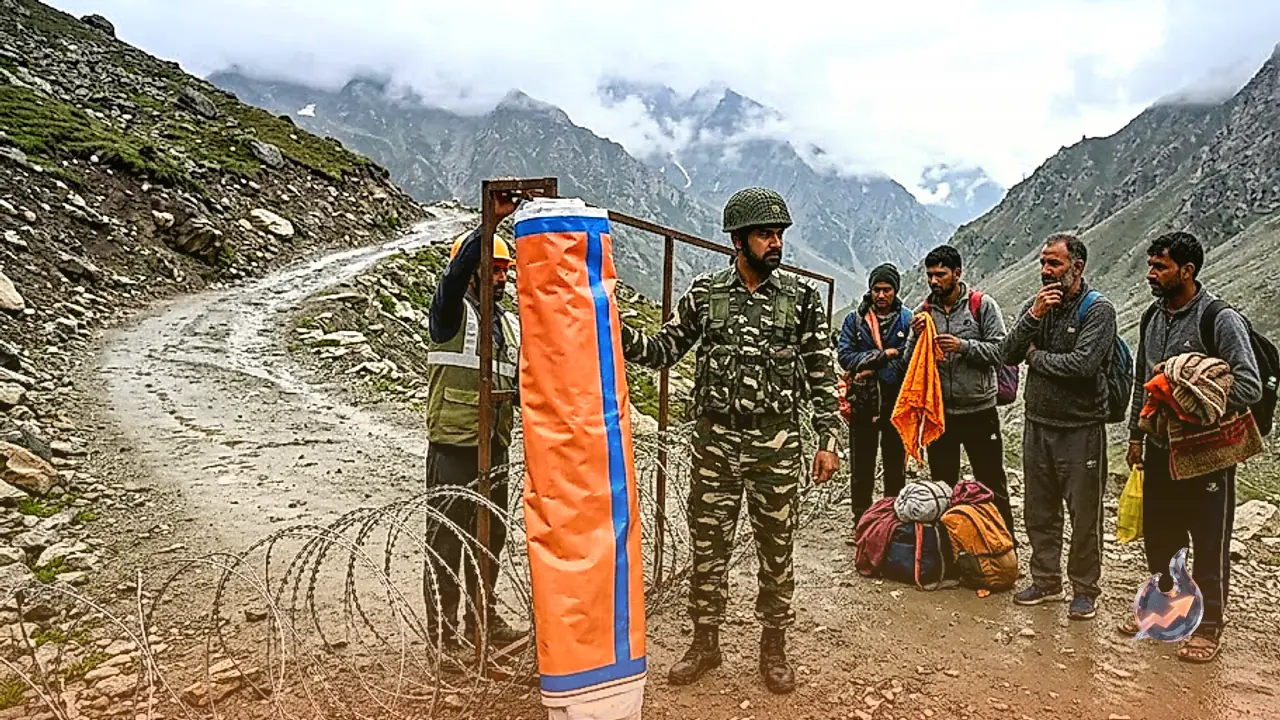
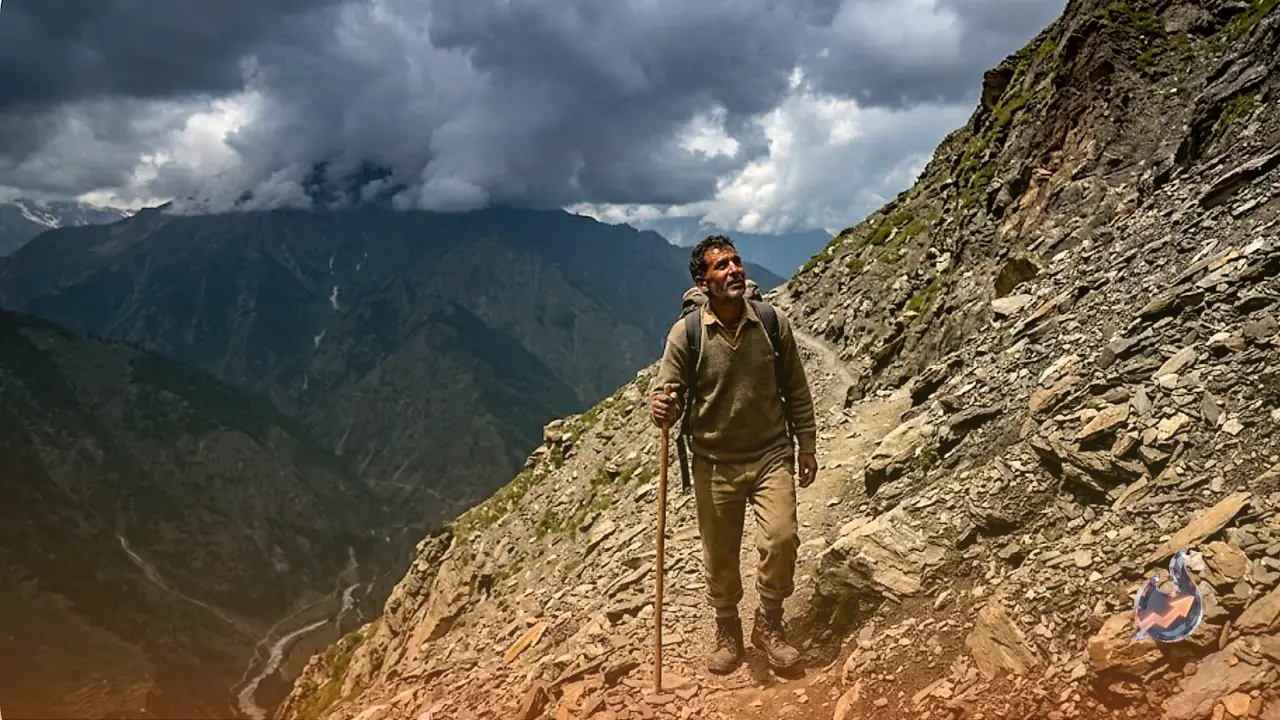
According to the report, the stretch from Bhimdwari to Parvati Bagh is currently the most sensitive and hazardous part of the journey. The team found steep slopes, loose and unstable soil, narrow and slippery paths, and several streams that have to be crossed along the way. With the monsoon season about to begin, the risk grows sharper. The experts warned of landslides, falling rocks, sudden surges in water levels, flash floods and debris flow.
The institute's experts have been associated with the pilgrimage for many years and have a deep understanding of the geography and glaciers around Parvati Bagh. Drawing on that experience and the latest inspection, they stated clearly that under present conditions the Shrikhand Mahadev Yatra 2026 cannot be considered safe and cannot be recommended.
Alternative route also unsafe
The team noted that not just the existing path between Bhimdwari and Parvati Bagh, but also the proposed alternative route, is unsafe in the current situation. A major worry flagged in the report is that in the event of any accident or disaster, carrying out relief and rescue work in this terrain would be extremely difficult.
The experts also branded the camping area at Bhimdwari a high risk zone, warning of a constant threat of flash floods. The report adds that the land in the affected area is made up of loose stones and unstable soil, which makes building temporary bridges, rope routes or any other temporary structures neither safe nor practical. The team has recommended declaring this entire stretch a high risk zone.
Final decision still pending
The DC said the district administration and the Shrikhand Mahadev Yatra Trust are fully committed to the safety of devotees, and that given the present situation and the report, holding the pilgrimage would be risky. He asked Trust members to submit any written objections to the report to the Tehsildar, after which a final decision would be taken only following a thorough examination of safety standards and all related aspects.
Experts at the meeting also suggested that a detailed geological study of the sensitive stretch from Bhimdwari to Parvati Bagh be carried out by the Geological Survey of India (GSI) or another competent body. This would allow a scientific assessment of the area's real condition and help suggest long term solutions and mitigation measures for safely running the pilgrimage in future.
How tough the journey is
The Shrikhand Mahadev Yatra begins from Nirmand in Kullu district. It is a roughly 32 km long trek that has to be covered on foot up a steep mountain, with dangerous paths and glacier crossings along the way. Each year the pilgrimage is officially held from 10 July to 23 July. At a height of 19,000 feet stands a 75 foot stone Shivling, which large numbers of devotees come to worship, even though the journey is considered extremely risky.