





















The moment Muharram, the first month of the Islamic calendar, begins, a distinct spiritual mood settles over Muslims across the world. It is far more than the start of a new year. Muharram is one of the four sacred months that Islam holds in especially high regard, which is why people treat the entire month as a time for self reflection, worship, patience and good deeds. Its tenth day, known as Ashura, carries the deepest religious and historical weight of all.
It was on this day, on the soil of Karbala, that Imam Hussain and his companions gave up their lives to defend justice, truth and humanity. That sacrifice is what sets this month apart from the rest of the year. It is the reason people spend these days seeking the pleasure of Allah through worship, prayer, fasting and acts of kindness. With that in mind, it is worth understanding which deeds one should take up in these early days of Muharram and which ones are best avoided.
Why Muharram Is Considered So Special
In Islam, Muharram is also called Shahrullah, meaning the month of Allah. Religious scholars say the month gives a person the chance to review their own actions and draw closer to Allah. The events of Karbala raised its significance even higher. Ashura is not only a symbol of grief but also a living example of truth, patience and sacrifice. That is why Muslim communities around the world remember the day through their own religious traditions.
Fasting and Time Spent in Worship
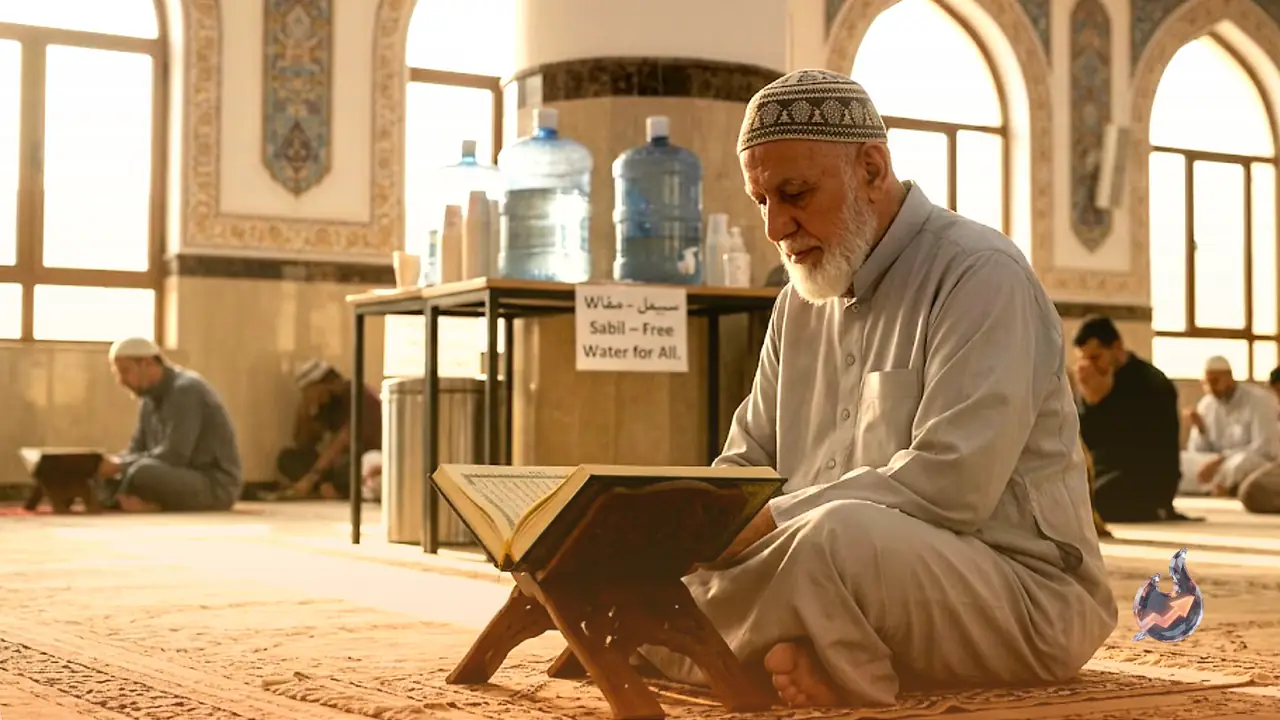
Keeping a fast on the ninth and tenth of Muharram is regarded as highly rewarding. Many Muslim families fast on these two days in particular, pray to Allah and remember the sacrifice of Imam Hussain. Scholars say that offering more prayers than usual, reciting the Quran and remembering Allah during this month is considered far more beneficial than on ordinary days.
Service and Helping Others as Worship
Muharram is not limited to worship alone. Helping those in need, feeding the poor and treating people well are seen as equally important during these days. In many places a sabeel is set up on Ashura, where passers by are offered water and sharbat. The tradition strengthens the spirit of humanity and service.
Giving sadqa carries a special importance in this month. Offering food, clothes or financial help to the needy is regarded as an act of reward. According to religious scholars, charity is not only about money. Easing someone's hardship, lending a hand and winning hearts through good conduct are also forms of sadqa.
Several Shia Muslim communities observe particular traditions during Muharram. Some people refrain from cutting their hair or beard in these days and adopt a simple way of living. On Ashura, special religious gatherings are held as a mark of grief and respect.
The Acts One Should Stay Away From
According to Islamic teachings, no form of injustice, lies, deceit or harmful behaviour should take place during Muharram. The belief is that good deeds done in the sacred months earn greater reward, while the gravity of bad deeds also multiplies. For that reason a person should pay close attention to both their conduct and their words during these days.
Muharram is among the four months that Islam treats as symbols of peace. People are therefore advised to keep away from quarrels, violence and mutual ill will. Religious texts too place great emphasis on peace, brotherhood and justice. The real message of the month is to nurture love and harmony within society.
Sincere Intention Is the True Measure
Religious scholars hold that worship and good deeds should never be done merely for show. The true purpose of Muharram is self purification and earning the pleasure of Allah, which is why every act is considered better when carried out with sincere intention. The story of Karbala still teaches humanity to stand firm for truth and justice even in the hardest of circumstances. Muharram is not just a month of mourning but also an occasion to reflect, to practise patience and sacrifice, and to remember human values. That is why, alongside worship, the month places strong emphasis on good character and noble deeds.
(Disclaimer: The information given in this article is based on general beliefs. Please consult a relevant expert before acting on it.)