
















Legal and military scrutiny surrounding the nationwide violence of May 9, 2023, in Pakistan is taking a decisive turn as former intelligence chief Lieutenant General Faiz Hameed faces impending formal charges. Prime Minister Shehbaz Sharif's political adviser, Rana Sanaullah, confirmed that while a formal charge sheet has not yet been submitted against the former ISI chief in this specific case, the matter remains active under internal military legal proceedings. The revelation indicates that even two and a half years after the dramatic events unfolded, Pakistan's military establishment maintains an unyielding stance, with the investigation poised to expand to several other prominent figures once charges are framed.
Military Legal Proceedings and Framing of Charges
According to details shared by Rana Sanaullah, the case concerning Lieutenant General Faiz Hameed's role in the May 9 unrest is currently proceeding through the military's specialized judicial structure. Although the formal charge sheet has not been finalized at this stage, preliminary processes and legal documentations are actively underway. Sanaullah noted that once the charges against the former intelligence chief are officially framed, it will likely pave the way for subsequent legal action against multiple other individuals linked to the incident.
Faiz Hameed, long regarded as one of the most powerful and influential former military commanders in Pakistan, is already dealing with legal consequences from previous internal actions. Sanaullah highlighted that, based on available information, Hameed has already been convicted and sentenced in a separate case involving property matters. However, the pending investigation regarding the May 9 riots remains his most critical legal hurdle, standing at the center of ongoing friction between the country's political elite and military leadership.
Military's Zero-Tolerance Position on the May 9 Violence
The Pakistani army maintains a rigid interpretation of the May 9 events, refusing to classify them as ordinary political demonstrations, street brawls, or minor vandalism. Sanaullah emphasized that the armed forces view the coordinated violence as a direct, organized attack on the military institution itself. Consequently, the defense leadership has held a consistently stern position regarding accountability for everyone involved.
Referencing prior official media briefings by the Director General of Inter-Services Public Relations (DG ISPR), Sanaullah reiterated that the military considers the assault an unforgivable offense. In the military's assessment, the actions taken on that day will neither be pardoned nor forgotten. He further assessed that no amnesty or leniency has been granted to any perpetrator thus far, and political observers should not expect any compromise or softness from the institution in the future.
Historical Context: The Aftermath of Imran Khan's Arrest
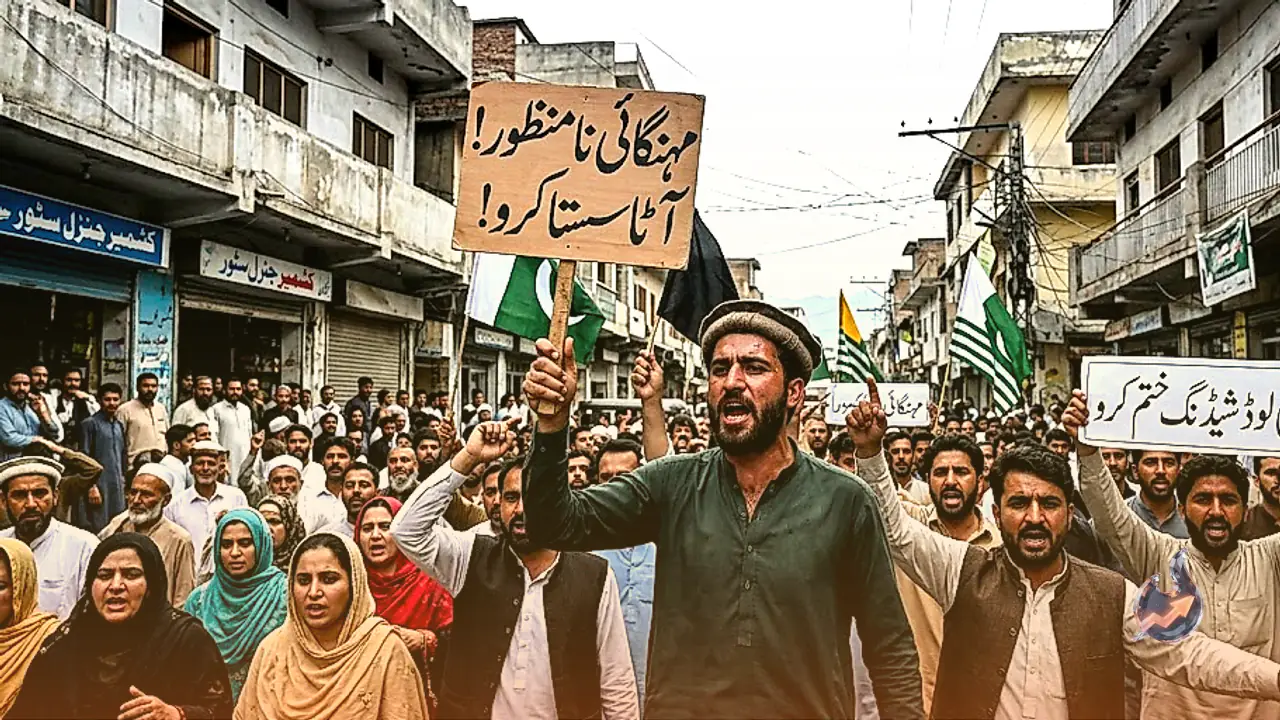
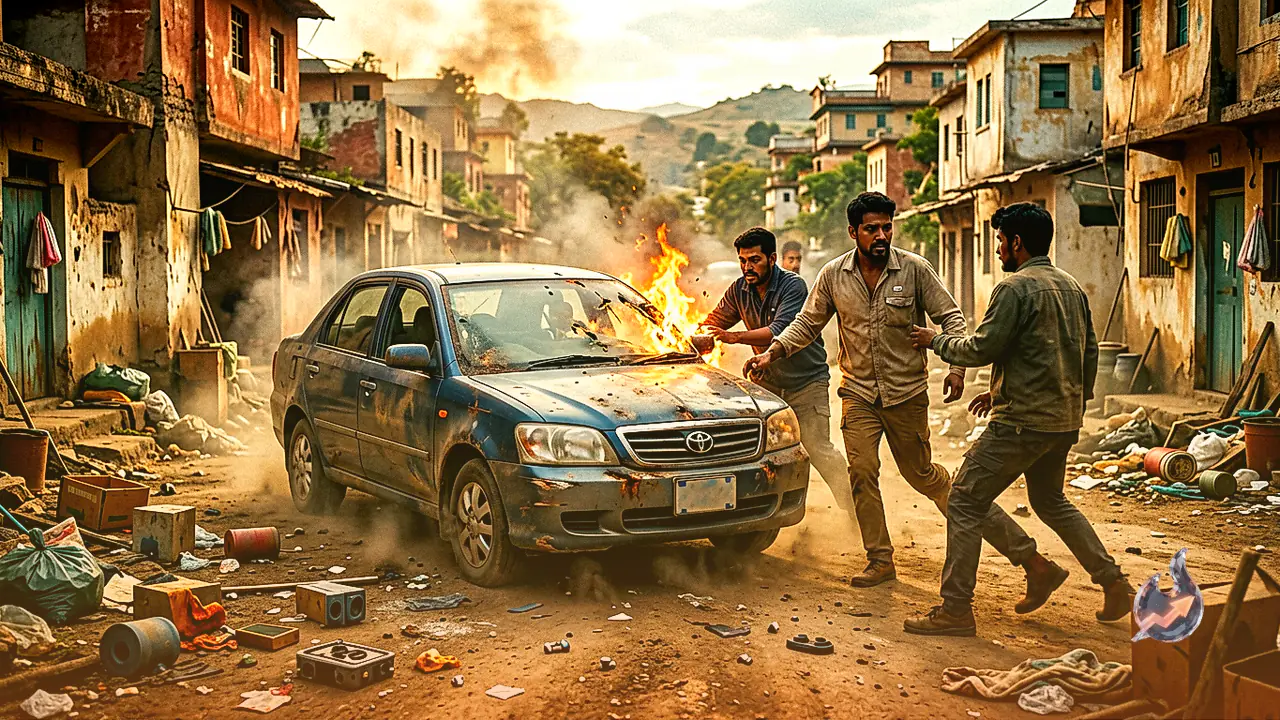
The origins of this ongoing crisis trace back to May 9, 2023, when former Prime Minister Imran Khan was arrested, sparking widespread public outrage. In response, angry demonstrators and supporters of the Pakistan Tehreek-e-Insaf (PTI) took to the streets across multiple cities, attacking prominent military installations, command centers, and state property.
Following the violence, state authorities launched an extensive crackdown targeting PTI's organizational structure. Numerous senior politicians, office-bearers, and party activists were apprehended and charged under stringent laws for their alleged participation in attacking military infrastructure and disrupting national security.
Faiz Hameed's tenure as head of the Inter-Services Intelligence (ISI) coincided with a highly volatile period in Pakistani governance, during which he wielded immense political influence. Nearly two and a half years after the initial riots, the prospect of a formal military chargesheet against a former spy chief underscores the enduring consequences of the May 9 fallout and signals a new chapter in Pakistan's turbulent political landscape.