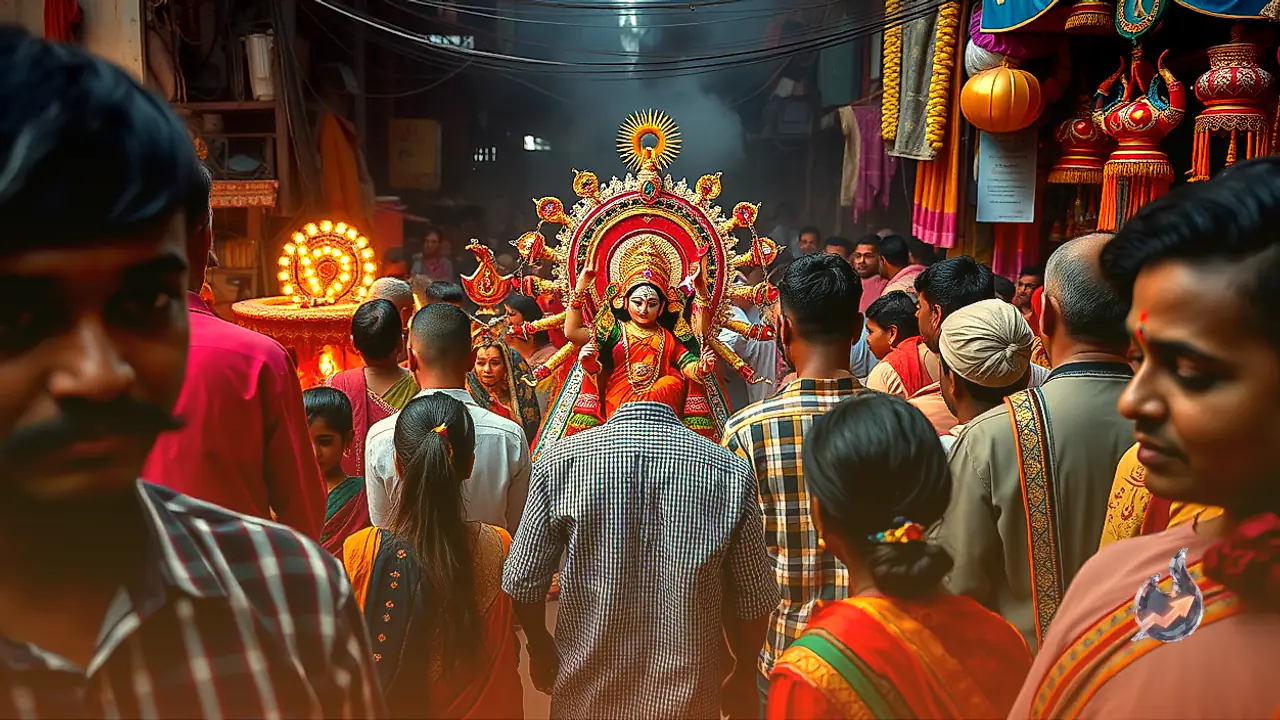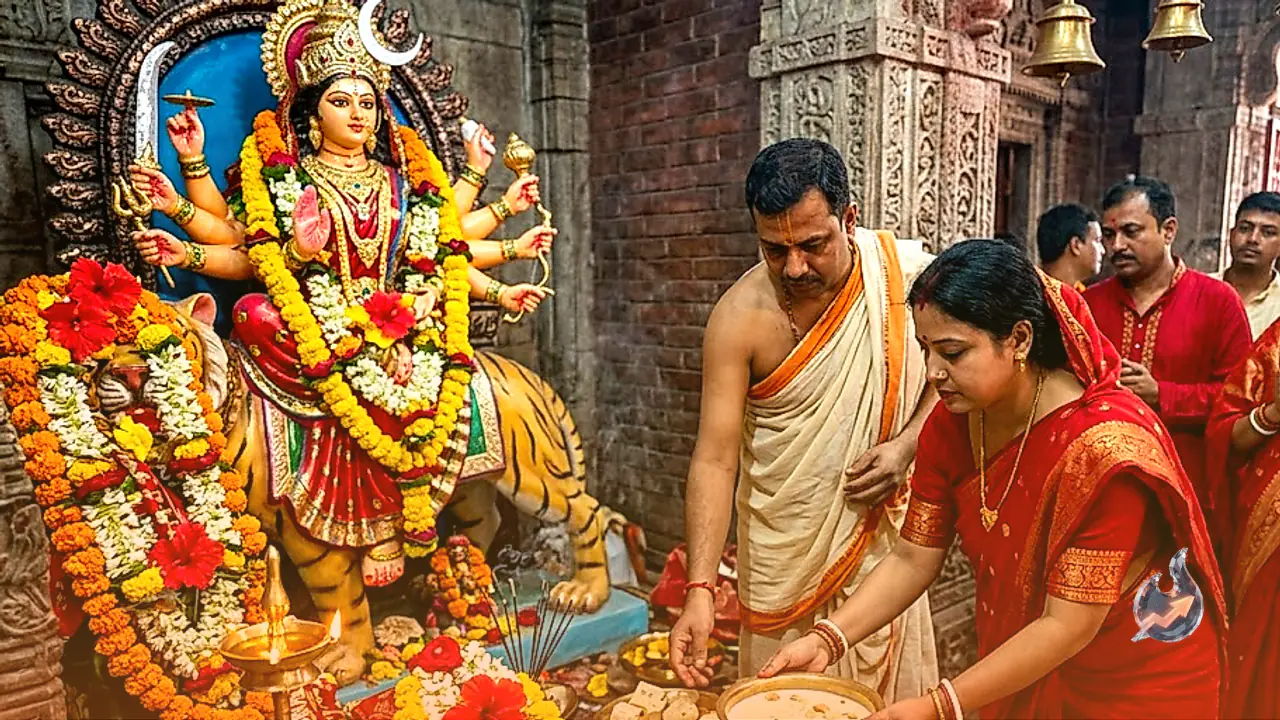





















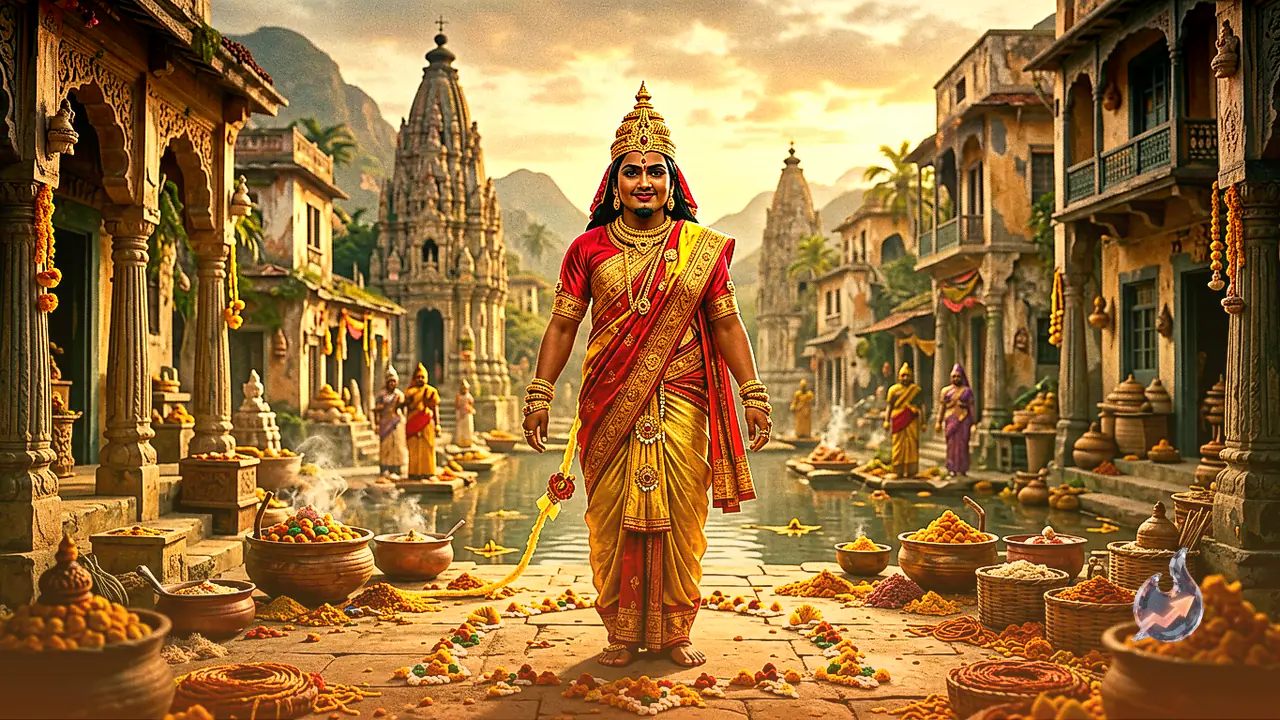

In Hindu traditions, Purnima tithi holds immense spiritual significance and religious value. Taking a holy dip in the Ganges and other sacred rivers, followed by acts of charity, is believed to bestow immense merits upon devotees. While every monthly full moon carries deep meaning, Sawan Purnima, also known as Shravani Purnima, stands out in particular. This auspicious day coincides with the celebration of Raksha Bandhan, during which sisters tie sacred threads around their brothers' wrists and pray for their long and healthy lives. Offering prayers on Sawan Purnima invokes the special grace of both Lord Vishnu and Lord Shiva, making it a highly revered day in the spiritual calendar.
Sawan Purnima 2026 Date and Timings
According to the traditional almanac, the full moon tithi of the Shukla Paksha in the month of Sawan begins on August 27 at 9:08 AM. The tithi will conclude the following day, on August 28 at 9:48 AM. Consequently, Sawan Purnima will be observed on August 28, 2026. Additionally, the moonrise time for the evening of Purnima has been set at 7:09 PM, which holds traditional significance for evening prayers.
Auspicious Muhurat for Snan and Daan
Several favorable windows are designated in the calendar for performing holy rituals and charity on this day
- Brahma Muhurat: From 04:51 AM to 05:37 AM
- Pratah Sandhya: From 05:14 AM to 06:23 AM
- Abhijit Muhurat: From 12:14 PM to 01:05 PM
- Vijay Muhurat: From 02:45 PM to 03:36 PM
Rituals for Sawan Purnima Worship
To seek divine blessings on this sacred day, devotees follow a structured worship procedure
- Wake up early in the morning, take a bath, and wear clean clothes
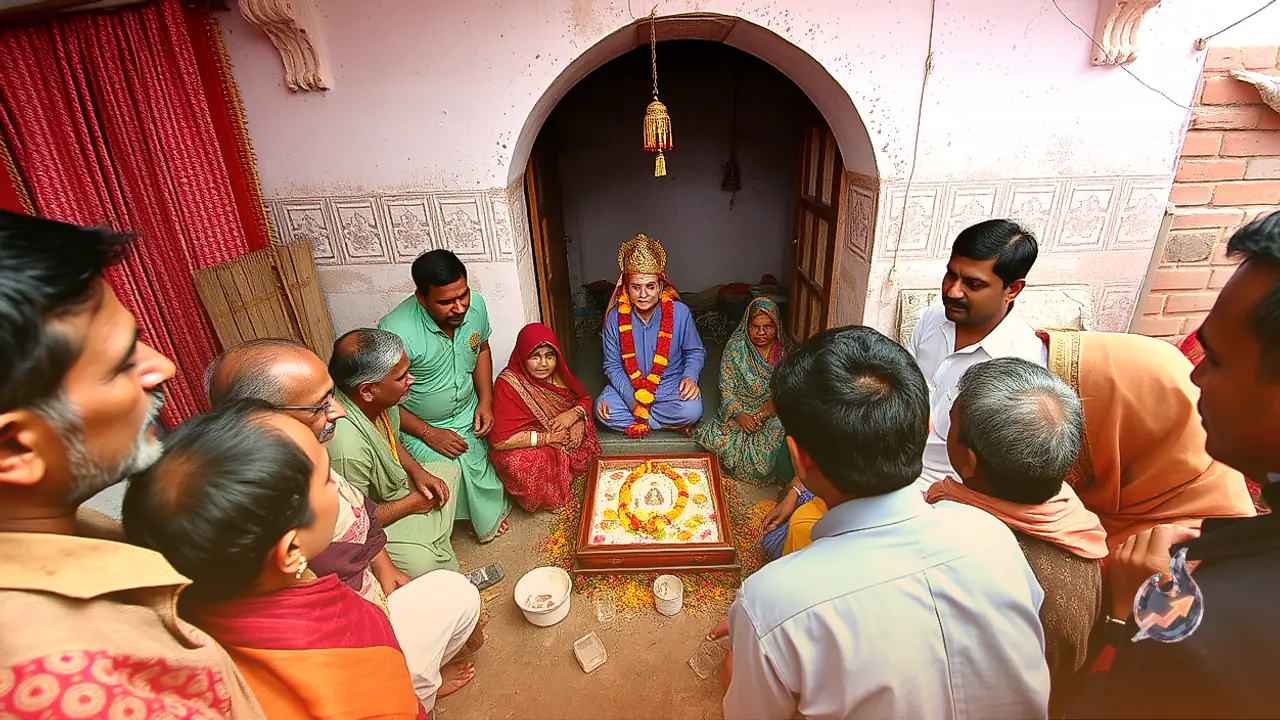
- Set up idols or pictures of Lord Vishnu and Lord Shiva at the home altar
- Light a lamp and sprinkle sacred Ganges water around the worship area
- Offer rice grains, kumkum, fresh flowers, and prasad to the deities
- Listen to the Purnima fast narrative and perform aarti for Lord Shiva and Lord Vishnu
Significance of Sawan Purnima
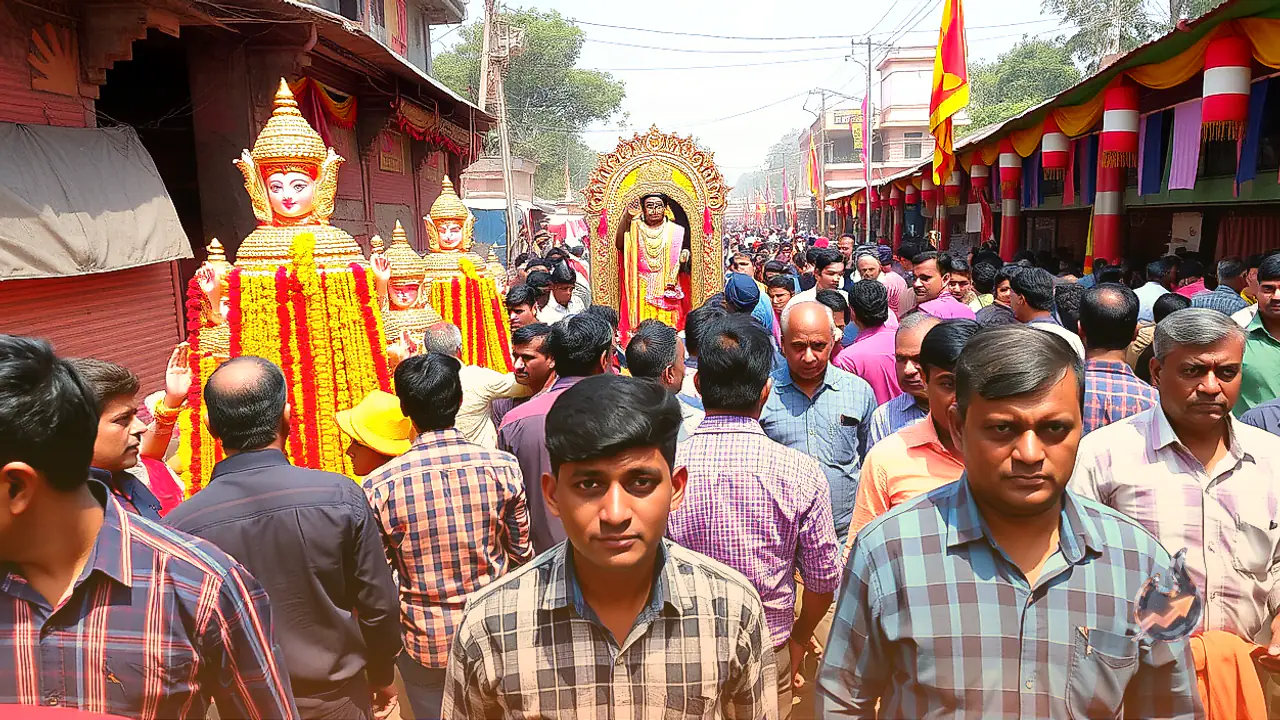
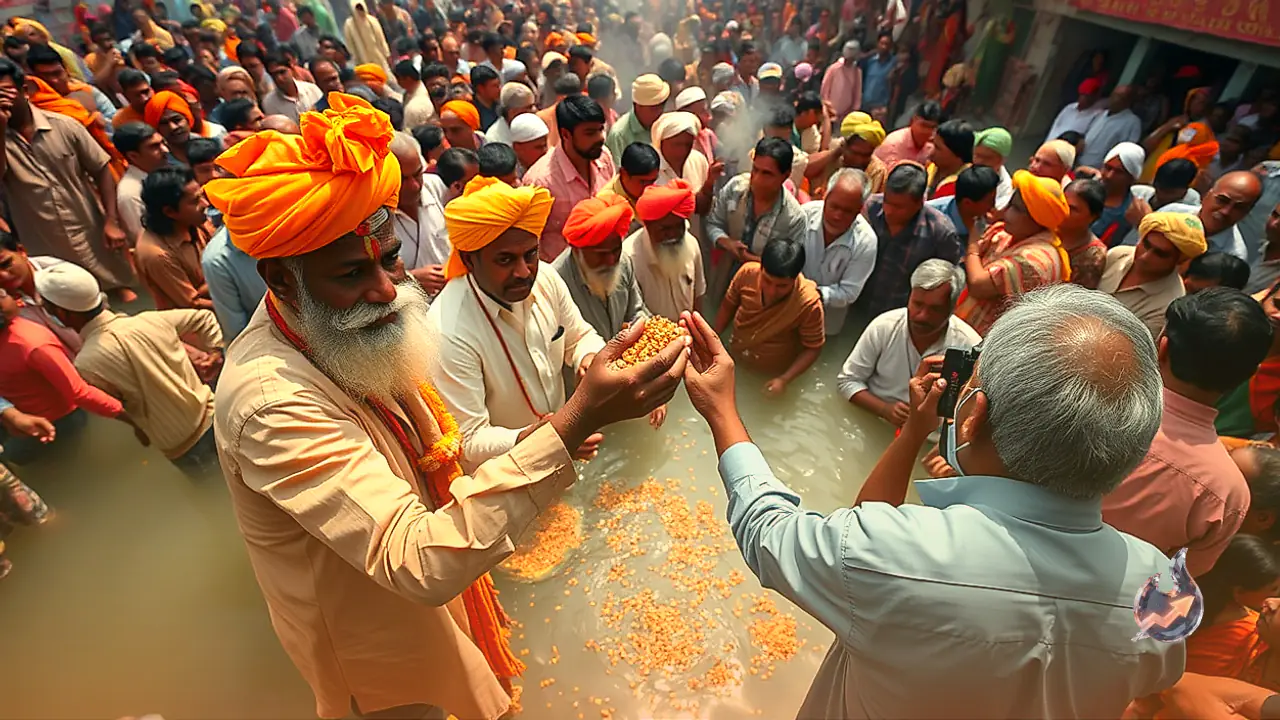
On the day of Sawan Purnima, pilgrims gather at various holy riverbanks and pilgrimage destinations to perform ritual baths and give charity. Engaging in these acts is believed to resolve ongoing troubles in a person's life and foster overall happiness and peace. However, individuals who cannot travel to a pilgrimage site can perform the ritual at home by adding a few drops of Ganges water to their bathwater, yielding equivalent spiritual rewards to a dip in the Ganges. Following the bath, donating items such as milk, rice, sugar, clothes, or sesame seeds is considered extremely auspicious.