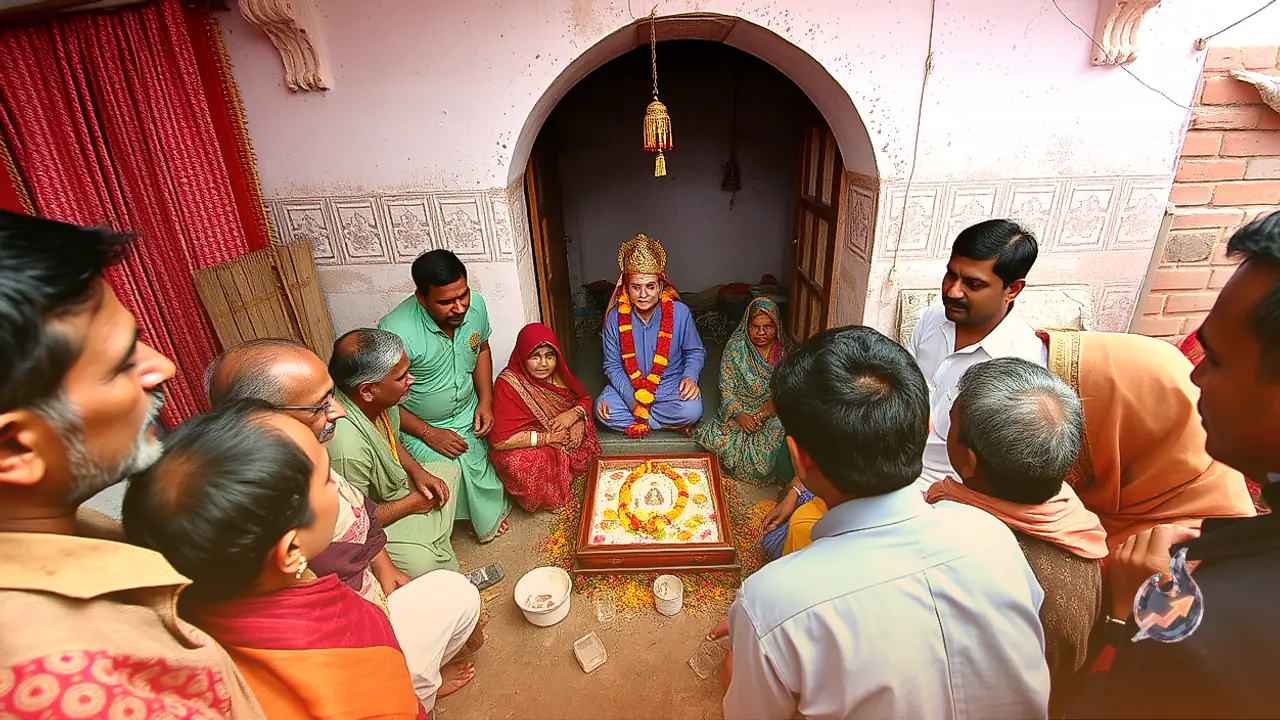



















In Hindu tradition, Navratri is considered one of the largest and most prominent festivals dedicated to the worship of divine feminine power. According to religious beliefs, offering prayers to all nine different forms of Goddess Durga during this auspicious period removes all sorrows and fulfills the sincere wishes of devotees. Navratri is celebrated across India with diverse regional traditions and customs. Many people assume that Navratri and Durga Puja are the exact same thing, but clear differences exist between the two. Durga Puja is observed with immense devotion and enthusiasm particularly in eastern India, including West Bengal, Odisha, Assam, and Tripura. Let us explore the primary differences between Durga Puja and Navratri.
Timeline Differences Between Sharad Navratri and Durga Puja
The festival of Navratri runs for a full nine days, starting from the Pratipada tithi of the Shukla Paksha in the Ashwin month until Navami, followed by Dussehra on Dashami. This year, Sharad Navratri commenced on October 11 and will conclude on October 19, 2026. On the other hand, Durga Puja primarily lasts for five days, beginning from the Shashthi tithi and running through Vijayadashami. However, the preparation and festivities for Durga Puja officially begin much earlier with Mahalaya.
Differences in Ritualistic Forms and Worship
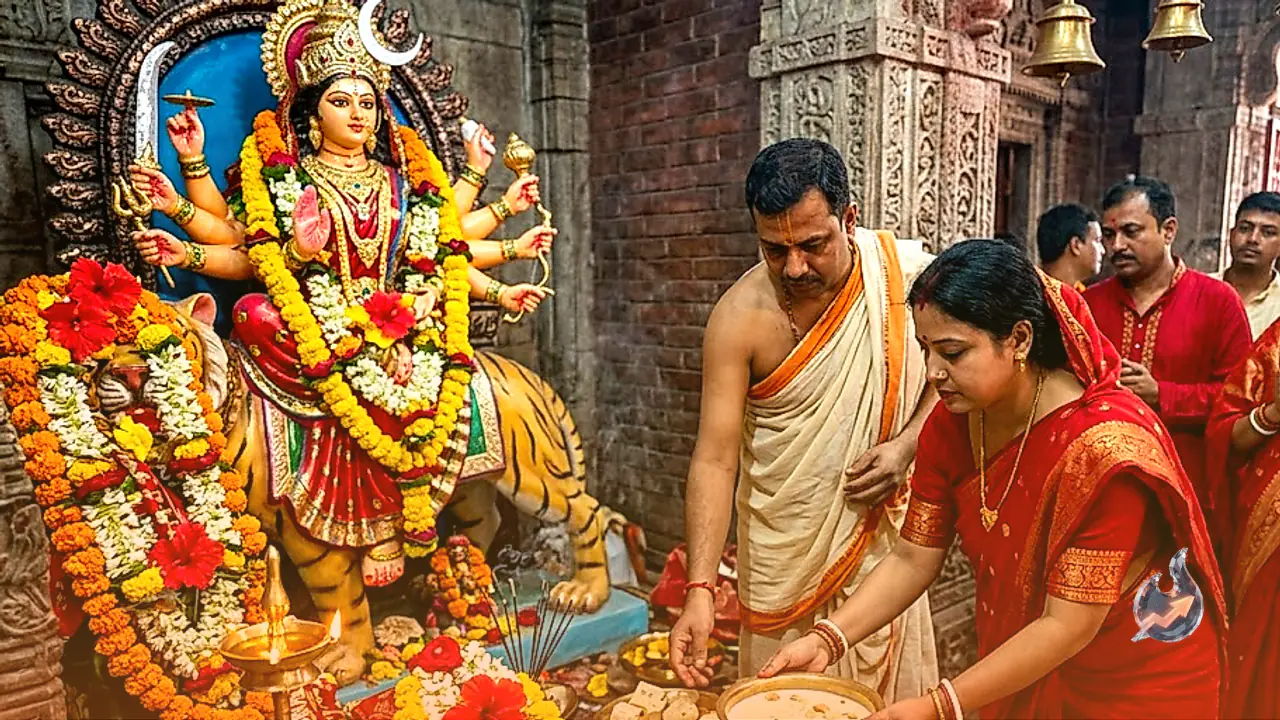
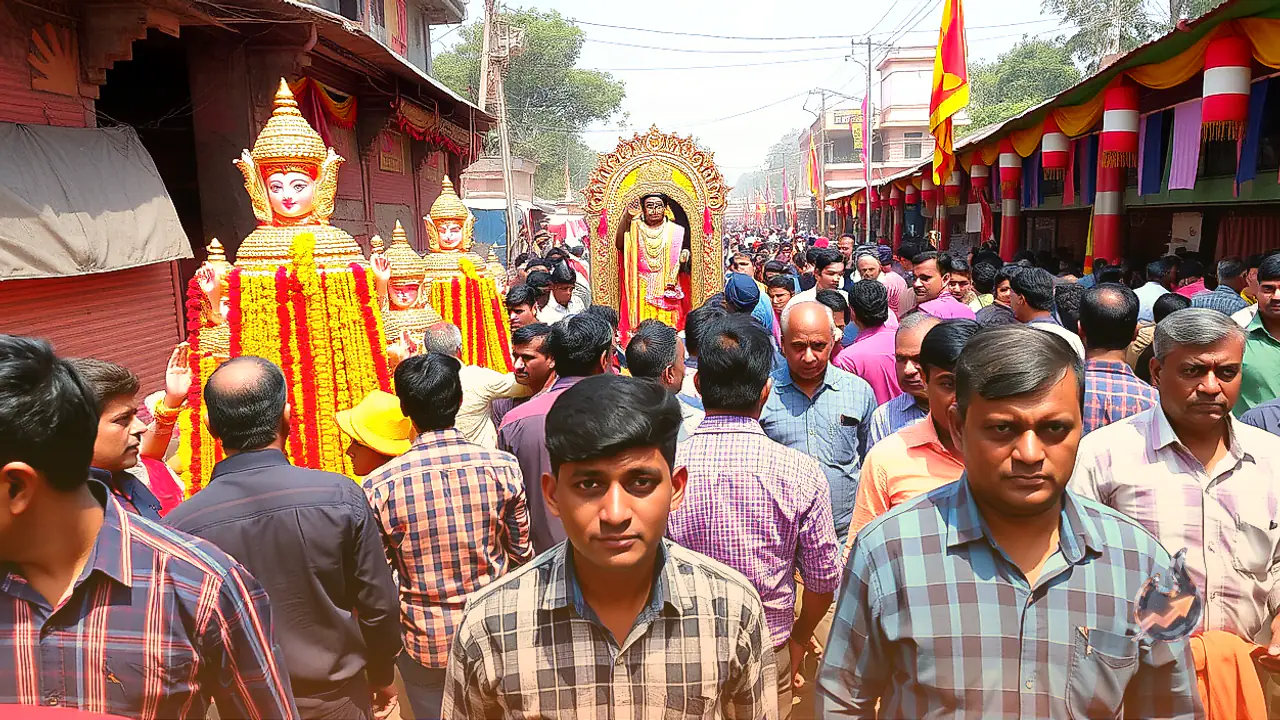
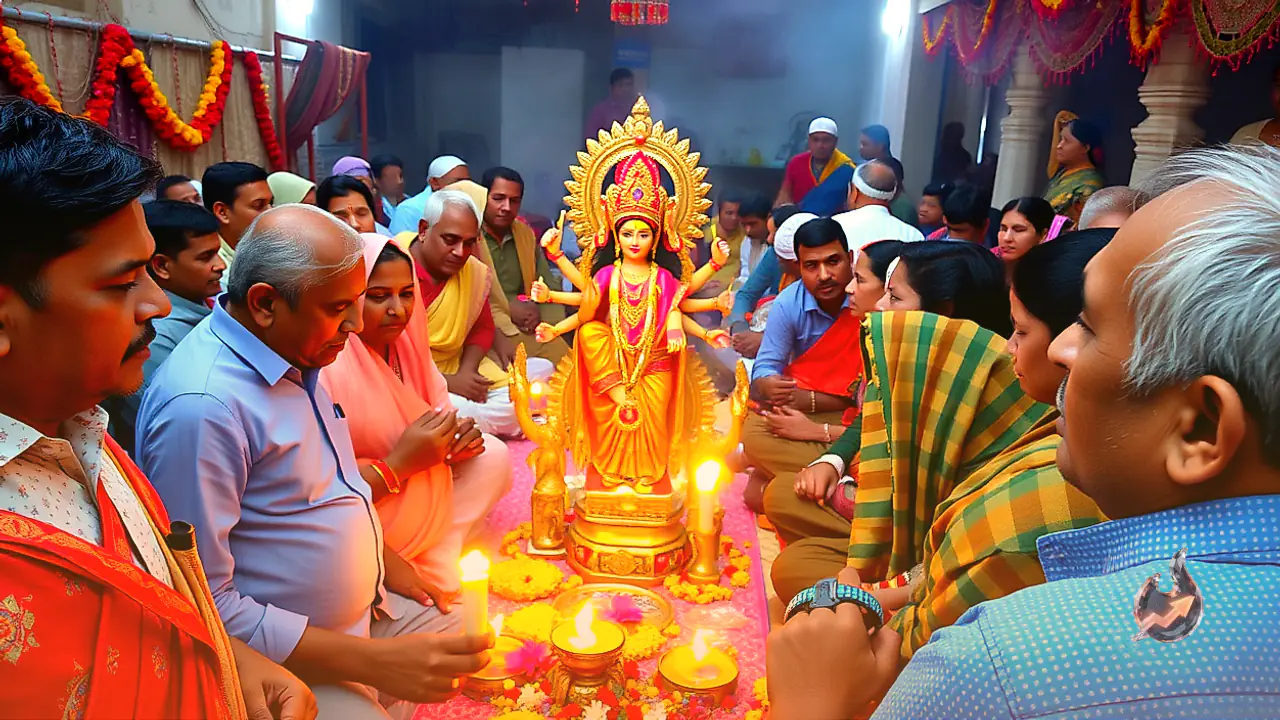
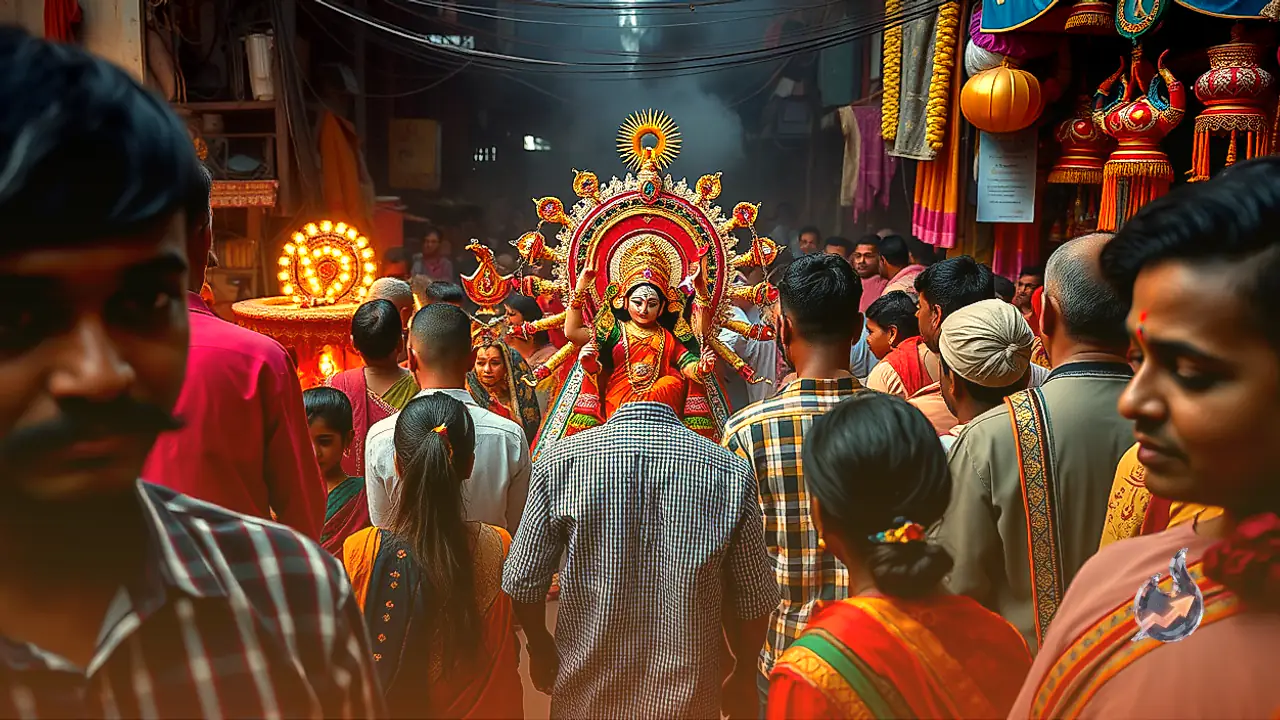
Although Navratri and Durga Puja fall during the same calendar period, they are observed and recognized in distinct ways. During Navratri, nine different manifestations of Goddess Durga are worshipped across nine days. In contrast, Durga Puja centers around the worship of Goddess Durga in her Mahishasuramardini form and commemorates her descent to Earth. During Durga Puja, magnificent idols of the goddess are installed inside elaborately decorated pandals. Both festivals convey the powerful message of worshipping divine energy and the ultimate victory of good over evil.
Distinct Features of Puja and Navratri
Navratri involves the worship of the nine forms of Navdurga, ranging from Shailputri to Siddhidatri, spanning from the Pratipada to Navami tithi. Meanwhile, Durga Puja features the installation of an elaborate idol portraying the Mahishasuramardini form, where Goddess Durga is seated alongside Lord Ganesha, Kartikeya, Goddess Lakshmi, and Goddess Saraswati. According to Bengali traditions, the ritualistic awakening known as Bodhan and the formal invitation of the goddess take place on Shashthi, marking the true beginning of the main Durga Puja phase.
Key Dates in the 2026 Durga Puja Calendar
- October 16, 2026: Shashthi Puja, Bilva Nimantran, Kalparambha Akal Bodhan, Nimantran, and Adhivasa ceremonies take place.
- October 17, 2026: Saptami Puja is observed alongside Navpatrika Puja and Kolabou Puja.
- October 19, 2026: Ashtami Puja is celebrated featuring Kumari Puja and Sandhi Puja rituals.
- October 20, 2026: Navami Puja is marked by Bengali Maha Navami and traditional Durga Balidan rites.
- October 21, 2026: The celebrations conclude with Bengali Vijayadashami, Bengali Durga Immersion, and the vibrant Sindoor Utsav.