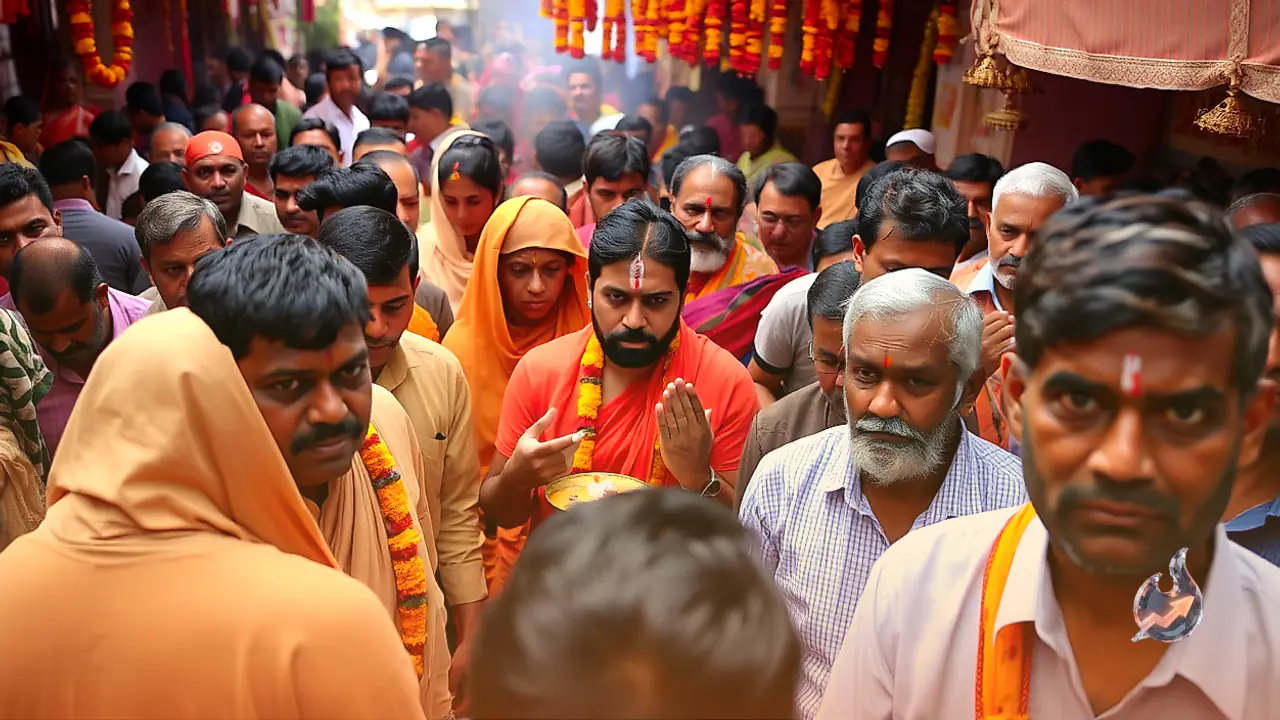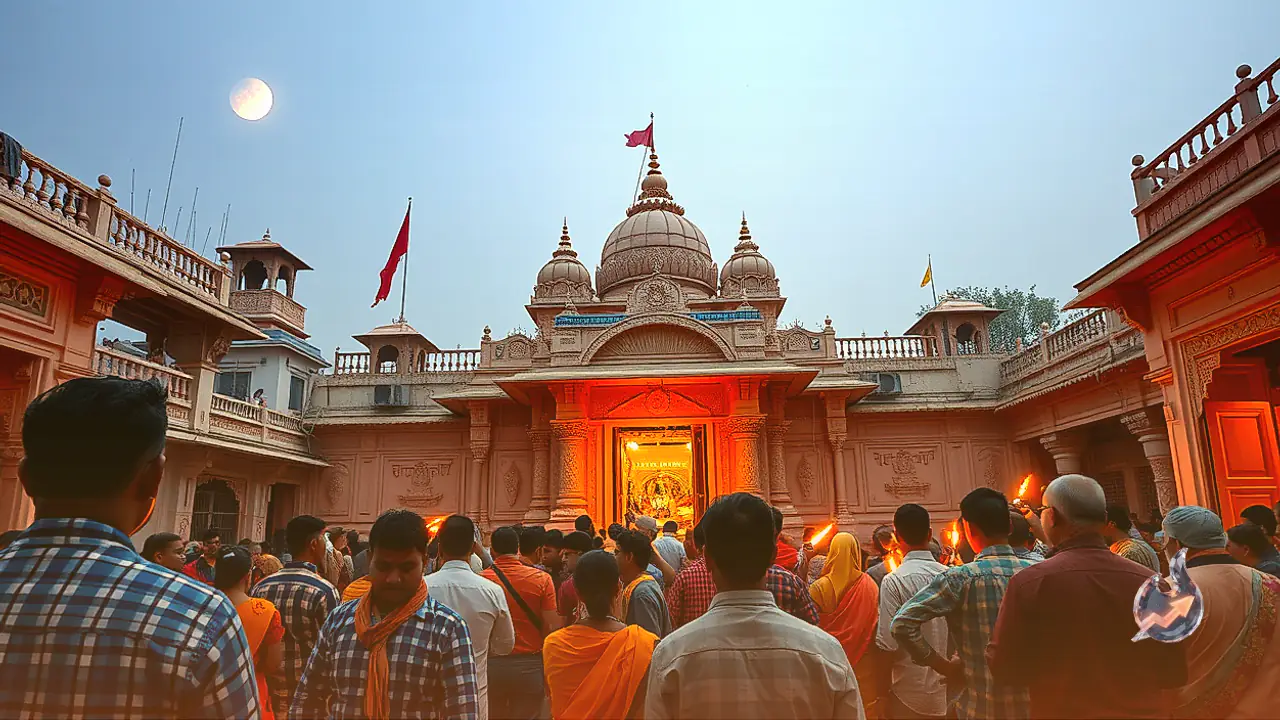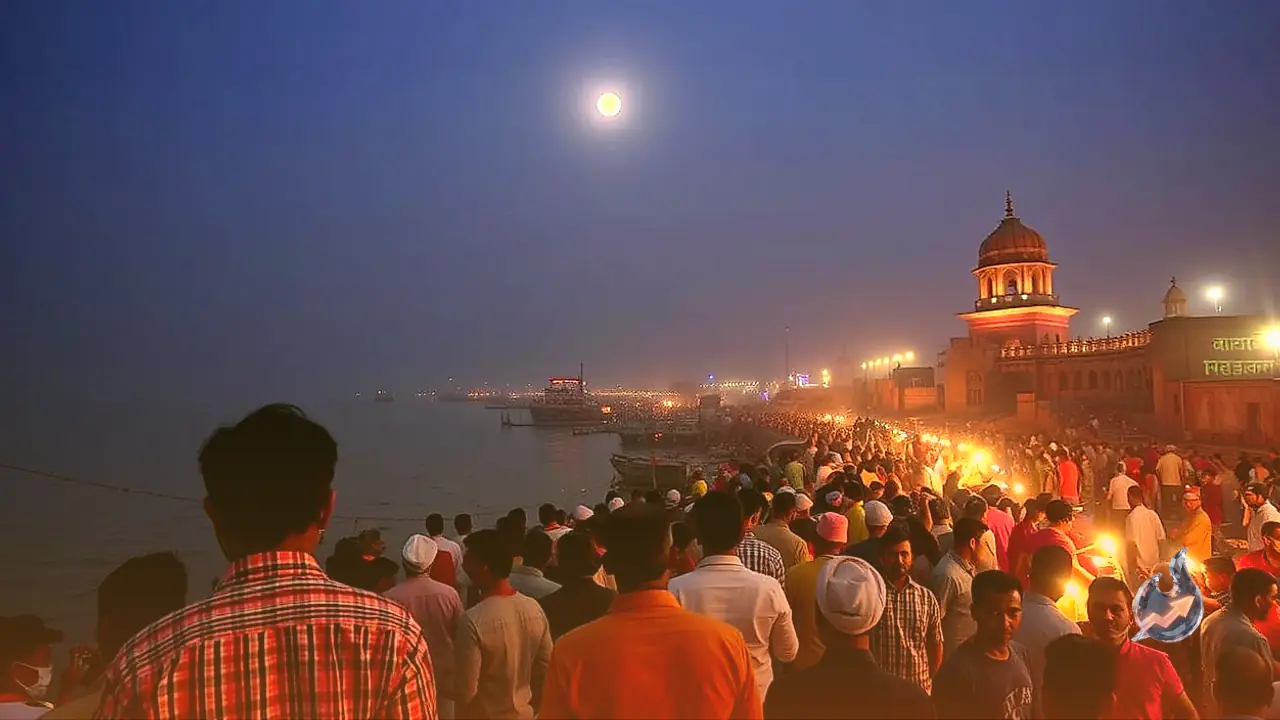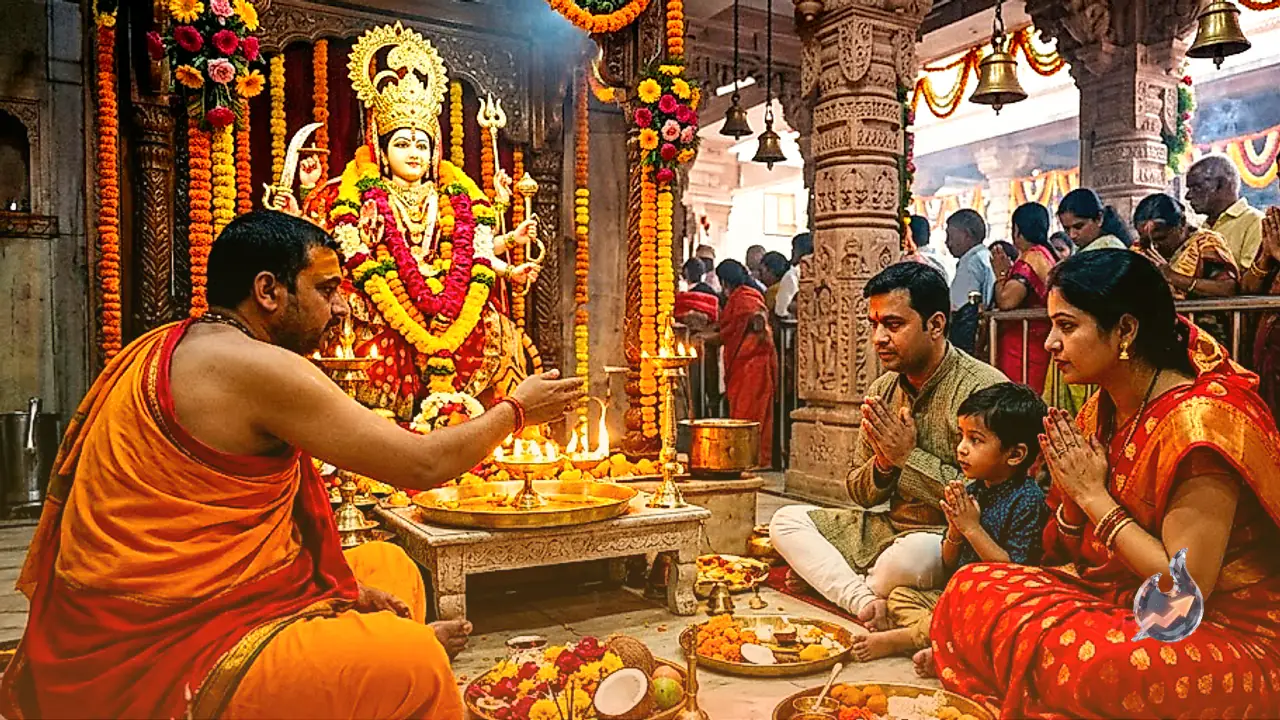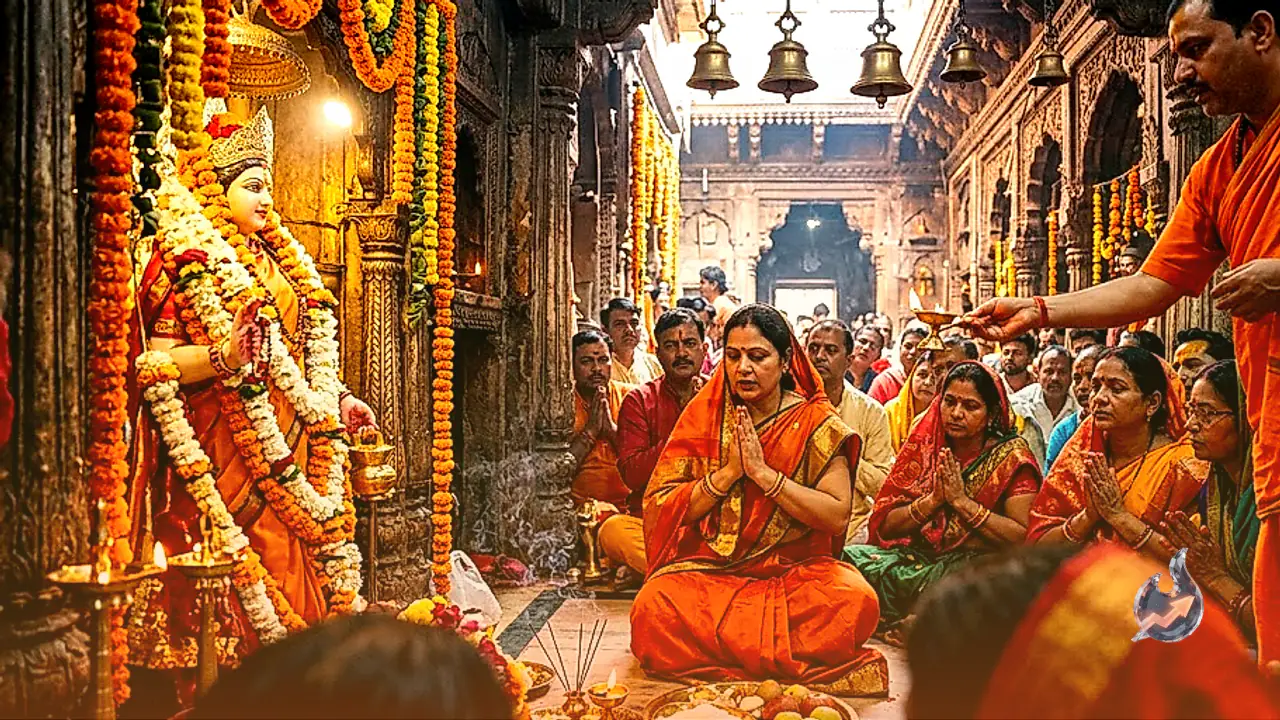



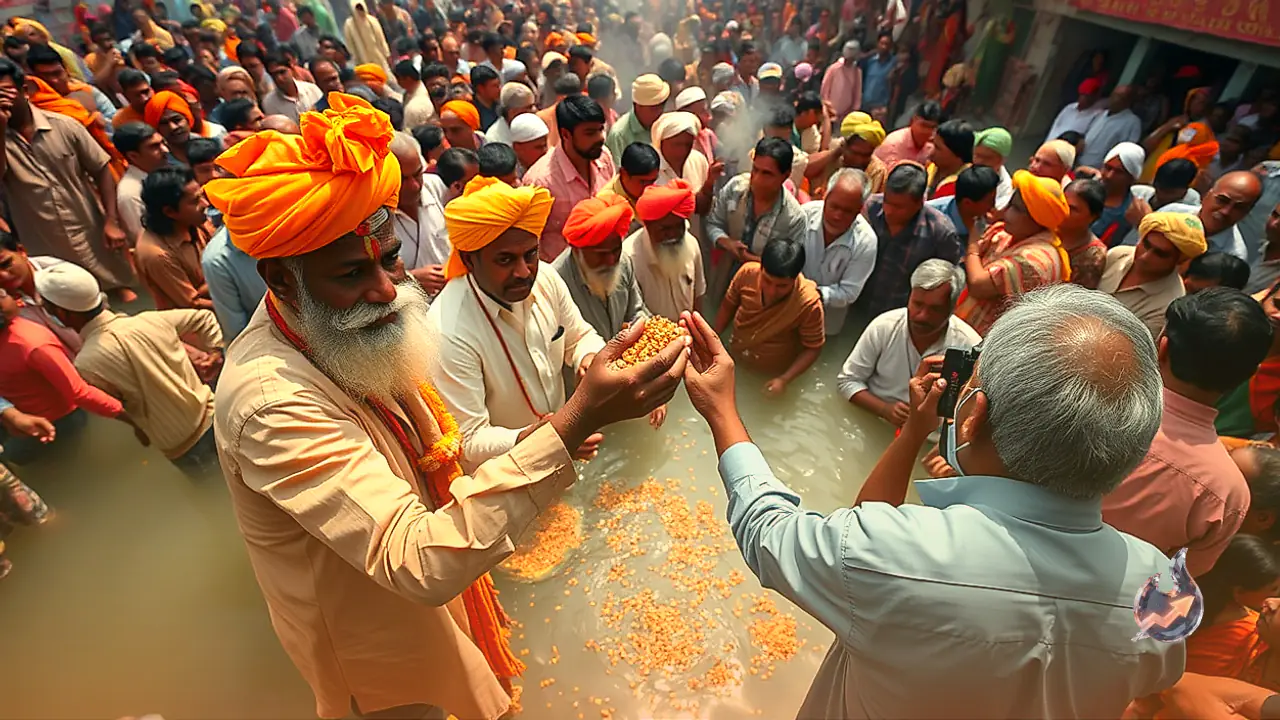


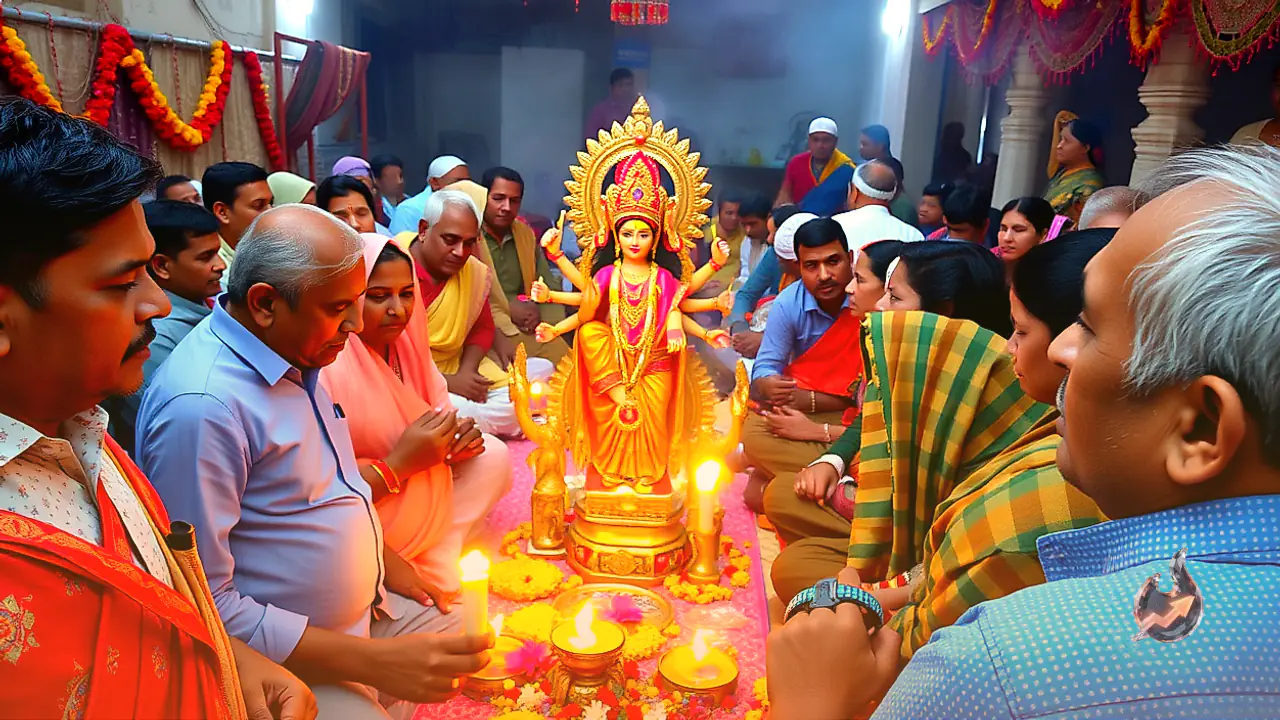
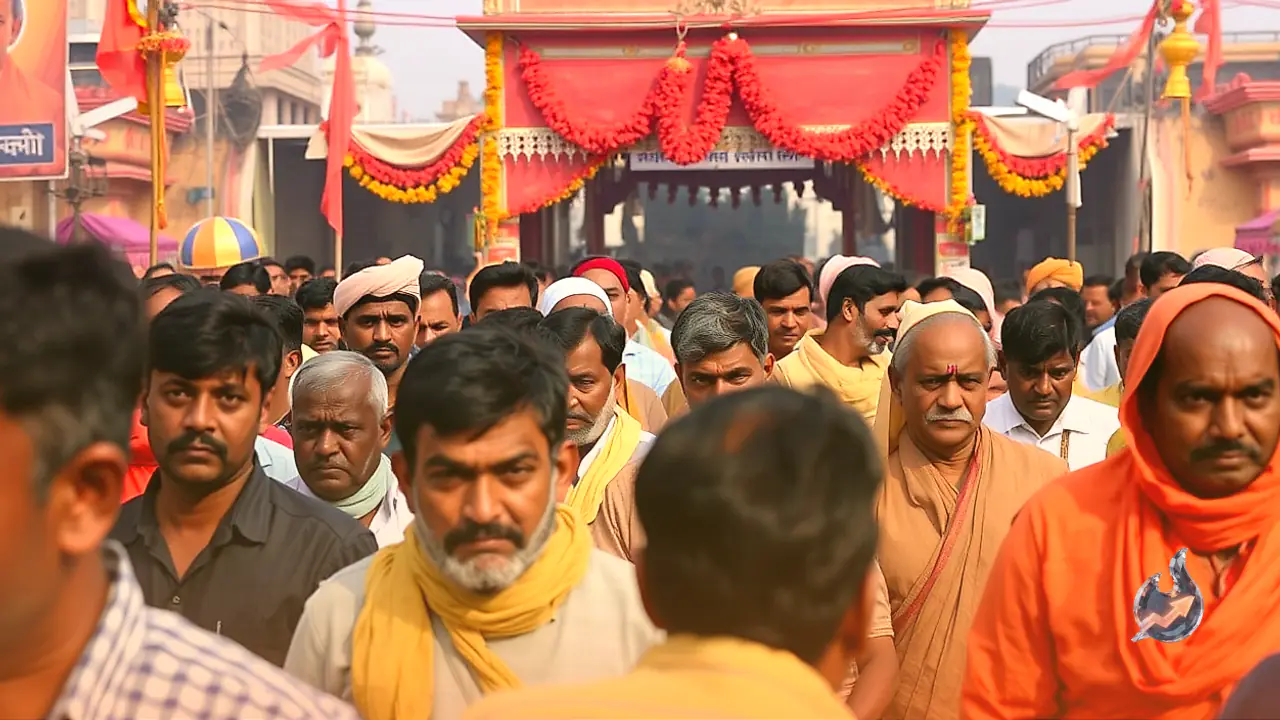














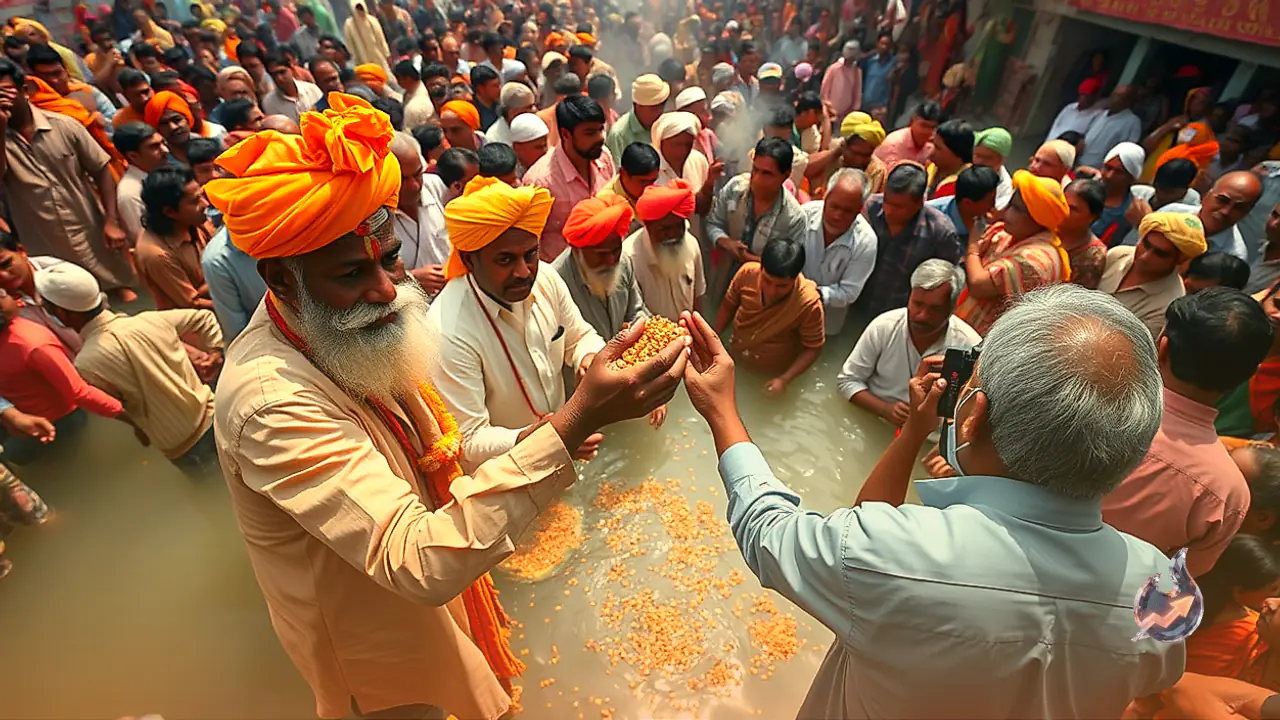

Pitru Paksha is set to begin on September 6, marking the period when Hindus perform rituals, Pind Daan, and Tarpan for the salvation of their ancestors. According to traditional customs, devotees traveling for these rites are required to take a holy dip in the Punpun river, located between Patna and Aurangabad districts, before starting the main ceremonies. Religious beliefs dictate that performing Pind Daan at Punpun is mandatory before conducting final rites in Gaya. Without completing this initial step at Punpun, the rituals in Gaya are considered incomplete, prompting pilgrims to make this designated stop first.
The Historical Significance as the First Gateway
According to ancient beliefs, Lord Rama along with Mata Janaki performed the very first Pind Tarpan at the Punpun ghat to pray for the peace of their ancestors' souls. Because of this historical association, the site is revered as the primary gateway for ancestral offerings. Following this initial rite, devotees proceed to the banks of the Falgu river in Gaya to complete the remaining ceremonies with proper Vedic procedures. While pilgrims visit Gaya throughout the entire year, performing these sacred duties during the Pitru Paksha fortnight holds immense spiritual significance.
Alternative Rituals at Godavari Pond
Logistical challenges or travel constraints sometimes prevent pilgrims from visiting the Punpun river before arriving at their final destination. For such situations, alternative arrangements are traditionally recognized to ensure the rituals are not disrupted. Pilgrims who go directly to Gaya without stopping at Punpun can visit the local Godavari pond to bathe and initiate their Tarpan and Tripakshik Pind Daan. Pandit Raja आचार्य explains that those performing the seventeen-day Tripakshik Shraddha can start their journey from either Punpun or the Godavari pond, as bathing in the Godavari grants the exact same spiritual benefits as performing the rites at Punpun.
Different Types of Shraddha Rituals During Pitru Paksha
The fortnight dedicated to ancestors features four primary categories of rituals based on duration, lasting for one, three, seven, or seventeen days. The longest observance lasting seventeen days is formally known as Tripakshik Pind Daan. Visitors coming from distant places are advised to offer sesame seeds and water at the Punpun river before heading to Gaya. Those unable to reach Punpun can simply bathe in the Godavari pond in Gaya to perform the rituals with identical religious merit. This year, the Punpun Shraddha falls on September 6, allowing devotees to complete their sacred duties at either of the two holy sites.