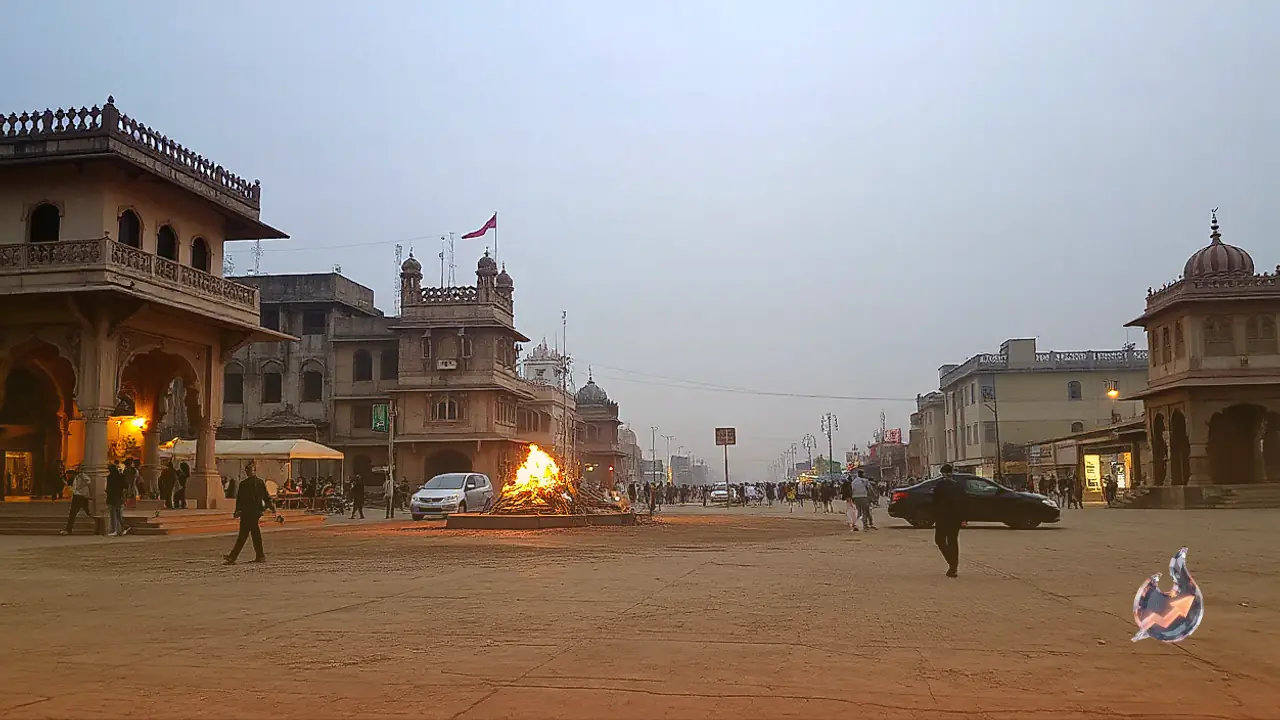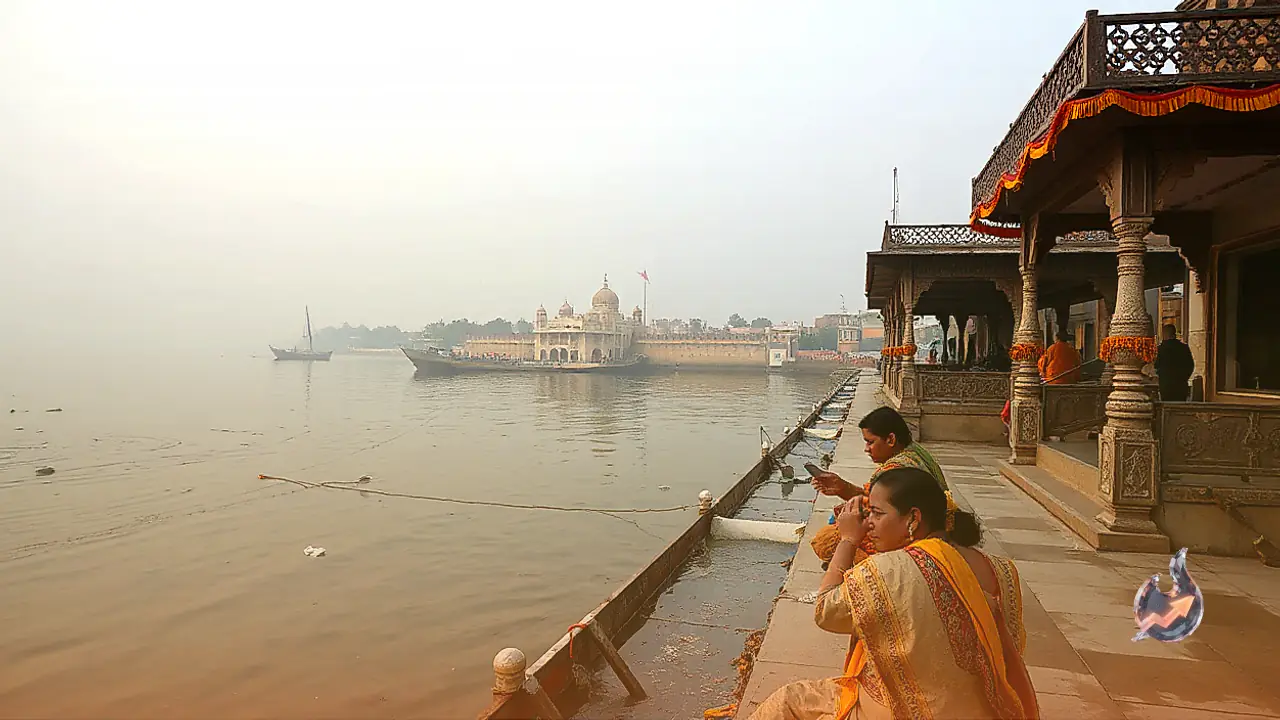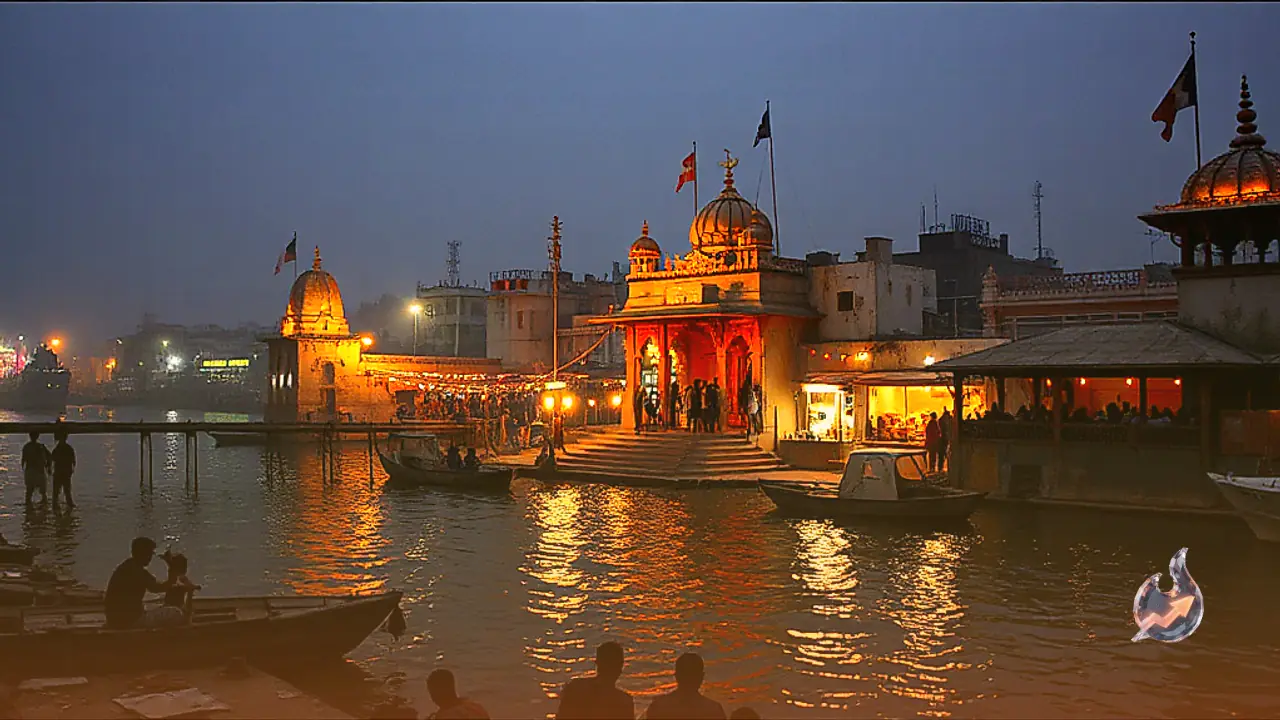

Kartik Purnima holds a sacred place in Hindu spiritual traditions, serving as a dedicated occasion for the reverence of Lord Shiva, Shri Hari Vishnu, and Goddess Lakshmi. According to scriptural beliefs, performing holy ablutions in sacred rivers, engaging in charitable acts, and conducting devotional rituals on this auspicious day alleviate hardships and clear obstacles from a devotee's life. This date also witnesses the celebration of Dev Deepawali, famously known as the Diwali of the gods. Mythological chronicles recount that on this night, deities descend from the celestial realms to the sacred ghats of Varanasi along the Ganga to bathe and offer illuminated lamps, making the occasion a truly divine festival.
The Boon of Tripurasur and the Reign of Chaos
Kartik Purnima is also revered as Tripuri Purnima or Tripurari Purnima, a designation rooted in an ancient legend of cosmic warfare. Long ago, a formidable demon named Tripurasur launched a conquest against the heavenly abode, displacing the gods and seizing complete dominion over heaven. His tyrannical presence cast terror across both the earthly and celestial planes. The source of his boundless arrogance was a distinct boon granted by Lord Brahma, stipulating that Tripurasur could only be slain by an adversary capable of destroying all three of his flying fortresses simultaneously with a single strike. Convinced that such a feat was beyond the reach of any living being, the demon unleashed unchecked chaos and established absolute rule across the realms.
Lord Shiva's Divine Shot and the Emergence of Tripurari
Exhausted and desperate under Tripurasur's relentless cruelty, the celestial deities sought refuge with Lord Shiva. Moved by their plight, the great deity mounted a formidable weapon onto his cosmic bow. Releasing an extraordinary divine arrow, Lord Shiva struck and annihilated all three fortified cities in a single, simultaneous blast, bringing a decisive end to the oppressive demon. This act earned Shiva the revered title of Tripurari, the slayer of Tripura. Overjoyed by their liberation and the restoration of balance in the universe, the gods illuminated the entirety of heaven with countless glowing earthen lamps. That spontaneous celestial jubilation laid the foundation for the tradition of Dev Deepawali.
The Spectacle of Dev Deepawali on the Ghats of Varanasi
Tradition dictates that on this revered full moon day, celestial beings descend upon Lord Shiva's eternal city, Varanasi, to bathe in the holy Ganga and participate in deepdan. To honour this divine descent and celebrate the supreme victory of righteousness, devotees light hundreds of thousands of earthen lamps across the ghats of the river, accompanied by grand Ganga aartis. Additionally, lighting a lamp crafted with 365 wicks on this day is considered deeply auspicious, representing a full year of continuous devotional lighting. The festival remains an enduring spectacle of divine gratitude, marking the triumph of light over tyranny and celebrating Lord Shiva's boundless protective grace.